

Why we stopped making our IP55 heaters a pain to fix
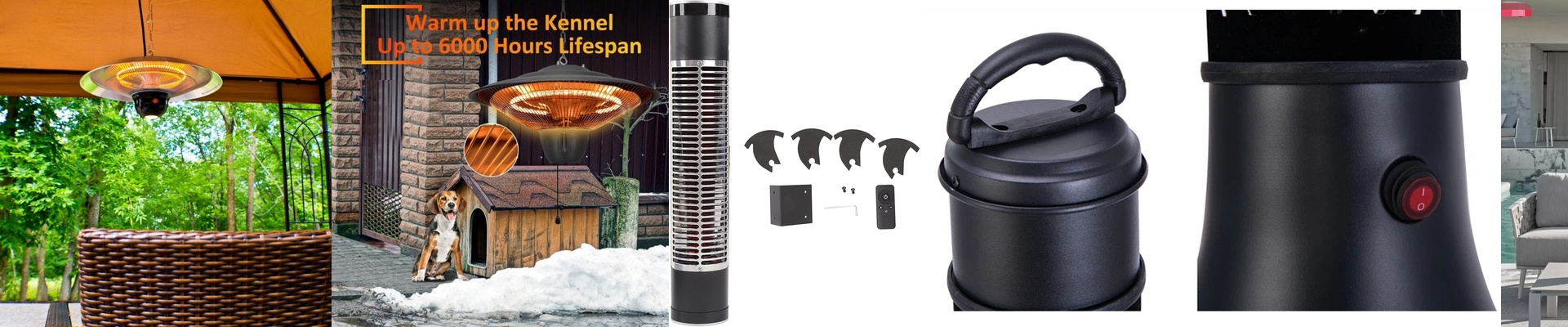
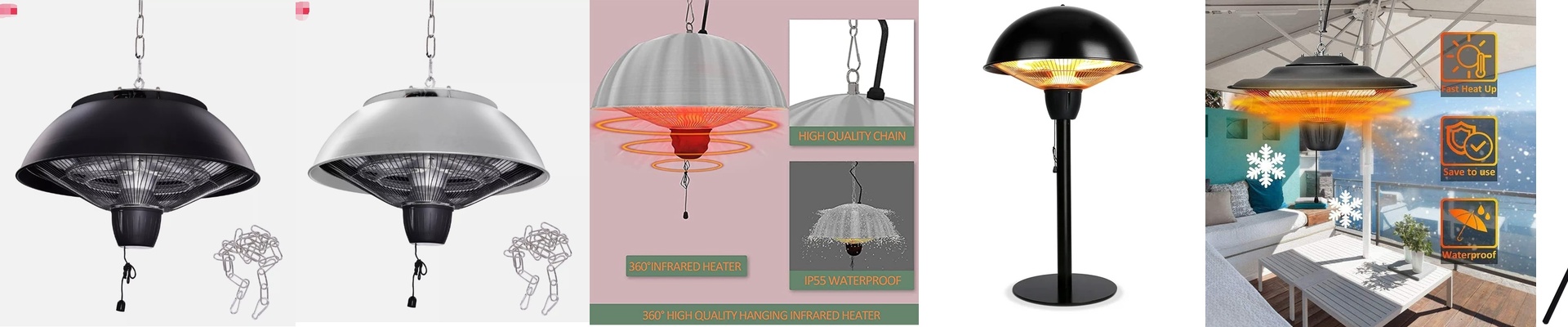
We build our waterproof table heaters to IP55 standards because, let’s be honest, industrial environments are messy. You’ve got dust flying and water spraying everywhere, and the last thing you want is that junk getting into your electronics. But here’s the problem: usually, when you seal something that tightly, you turn it into a fortress. If one tiny heating tube burns out, you’re stuck tearing down the entire chassis just to get to it. It’s a nightmare. So, we decided to change how we build them. We went with a modular setup. The headache of downtime If you’ve run a heater for five years, the elements are eventually going to wear down. That’s just physics. But if you have to rewire the whole unit or break a permanent seal every time a part fails, your production line just stops. You’re losing money while someone fumbles with a screwdriver for half a day. We fixed this by treating the infrared heating block like a LEGO brick. It’s a drop-in replacement. You don’t rebuild the house; you just swap the module. How it actually works We kept the IP55 rating by using precision gaskets on the access panels. Instead of soldering every single lead—which is a slow, annoying process—we use industrial quick-connects. When a tube goes, you just open the service port, unplug the module, and slide a new one in. Done. Since we use shortwave infrared emitters, these things get hot. Fast. To make sure the external seals don’t warp or melt under all that heat, we spec the housing with heat-dissipating alloys. It keeps the unit stable and the seal tight. The honest trade-off Now, nothing is perfect. Using modular connectors adds a tiny bit of electrical resistance compared to a direct solder joint. You might see a tiny voltage drop. But in the real world? Who cares about a few milliohms when you’re saving six hours of labor during a mid-shift meltdown? It’s a trade-off we’ll take every single time. One quick tip: tell your techs not to go crazy with the screws. If they over-tighten the seal during a swap, they’ll crush the gasket and the waterproof protection is gone. Just stick to the torque specs, and you’re golden.