

Keeping Your Clean Room IR Lamps Safe (And Your Sanity Intact)
When you’re working in a clean room, the stakes are high. One electrical glitch isn’t just a nuisance—it can trash an entire batch of product or shut down your whole line. We build our infrared lamps to handle serious heat, but honestly? The heat isn’t what keeps us up at night. It’s the insulation.
Why we test every single lamp
Some companies just grab a few samples from a batch and call it a day. We don’t do that. Every single lamp tube goes through a high-voltage withstand (Hipot) and insulation resistance test before it ever hits a shipping box. Why? Because a tiny pinhole in the quartz or a microscopic crack in the ceramic can cause a nasty arc-over the second you plug it in. We basically “stress test” the insulation by hitting it with a voltage way higher than what you’ll actually use. If there’s a weakness, we want it to fail here in our lab—not on your workbench. It saves you from those annoying breaker trips and keeps your sensitive sensors from acting up.
Dealing with the heat
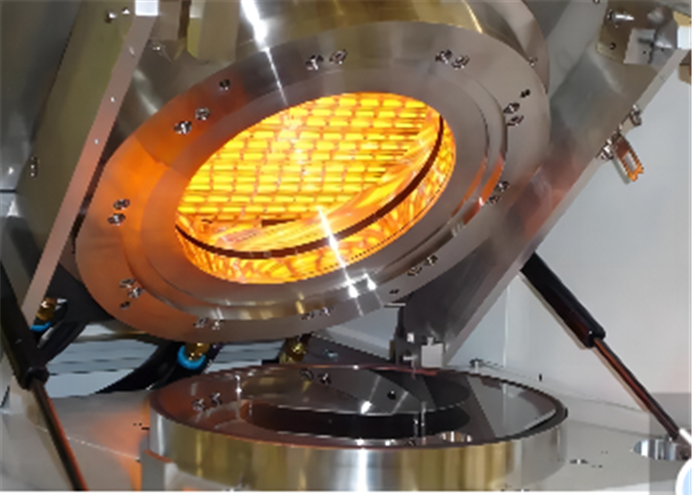
These lamps get incredibly hot, incredibly fast. When you cram that much wattage into a small space, materials expand and shrink. That constant cycling puts a lot of pressure on the seal where the filament meets the end caps. If the insulation isn’t perfect, the lamp might short out just as it reaches full temperature. We double-check the insulation resistance to make sure the electricity stays exactly where it belongs: in the filament. That means you get steady, reliable heat without worrying about the chassis becoming live.
A quick heads-up on your setup
Now, great insulation is a must, but it isn’t a magic fix for everything. If your bench doesn’t have enough airflow, the ambient heat will eventually eat away at your wiring. It’s a slow process, but it happens. Make sure your cooling fans are beefy enough for the wattage you’re running. Otherwise, your connectors will bake until they’re brittle and snap.