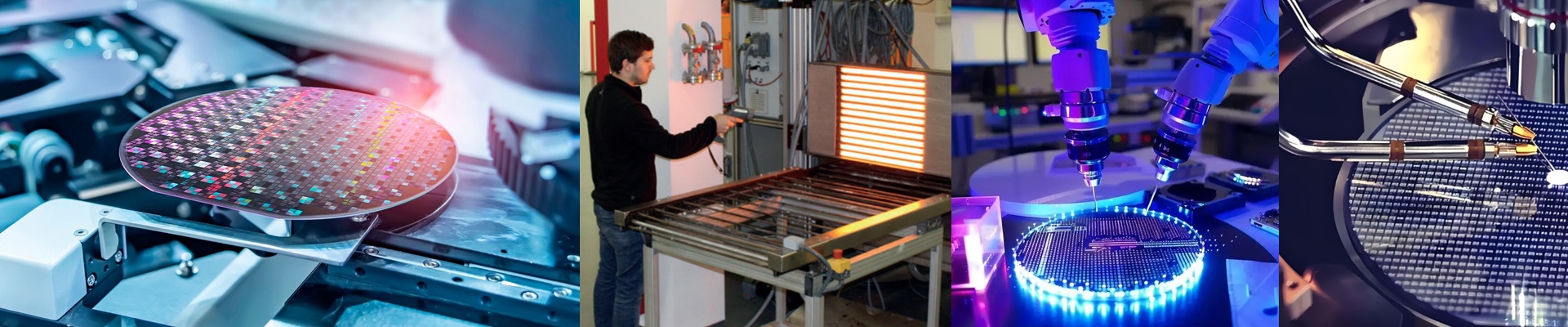
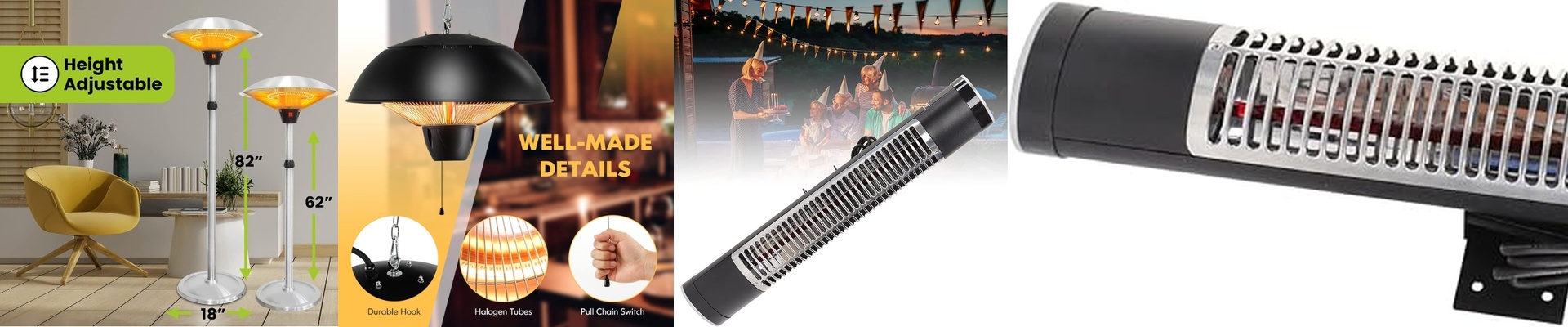

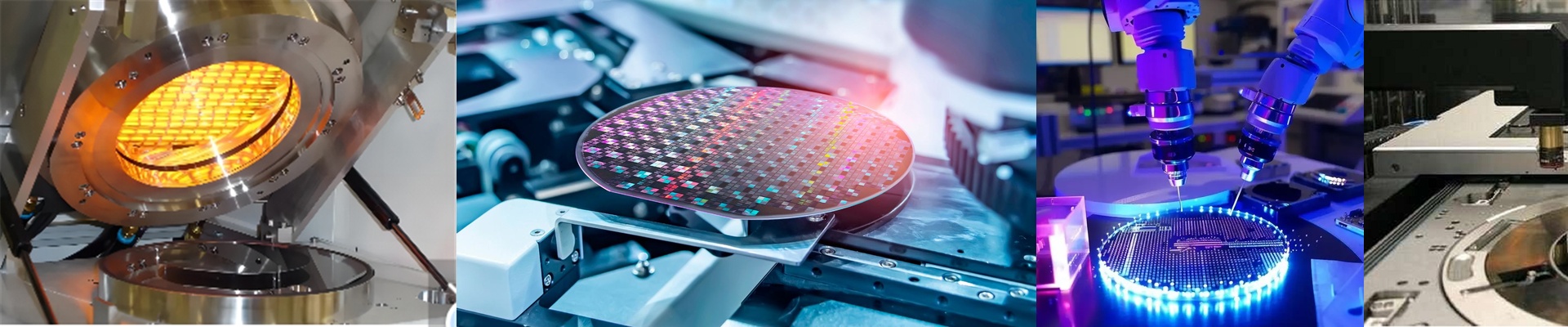
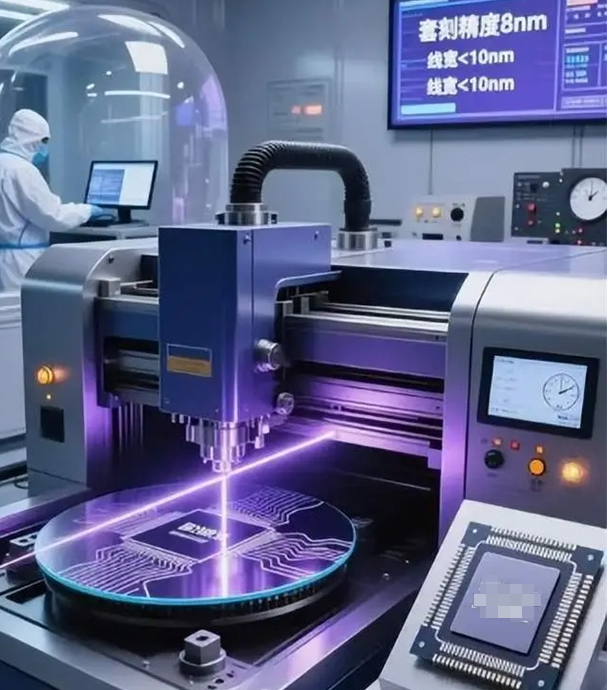
On the lithography floor, a FOUP rolls into the track with 25 wafers, each fresh with photoresist. The bake module has to land on target, uniformly, cycle after cycle. Slide 0.5°C off, get a particle spike, and you’re burning yield before lunch. We built our FOUP dryer to pull that uncertainty off the table. What matters, technically The unit holds wafer-level thermal uniformity within ±0.1°C across the FOUP, so every resist gets the same thermal budget. Cleanroom Class 1–100 compatibility is baked into the build: low-outgassing materials, HEPA-compatible exhaust routing, and an internal geometry that keeps turbulence and particle shedding down. Zero particle generation isn’t a tagline—it’s a design constraint, verified with in-situ particle monitoring. Repeatability is anchored by calibrated sensors and a control algorithm that holds setpoint even when ambient conditions swing. The heaters run 24/7 with no unplanned downtime, and the interfaces match standard FOUP docking, so integration is straightforward. Here’s why it holds up in a real fab. You drop the FOUP in, the system comes up to temp, and the cycle starts. Soft bake and hard bake profiles stay consistent—line-to-line, day-to-day. That kind of stability cuts scrap, shortens qualification, and keeps WIP moving. Energy use is measured and controlled, not estimated. The dryer protects the critical film properties—thickness, adhesion, and critical dimension control—by killing thermal gradients and contamination that can sneak into the process. A few practical notes. Installation needs cleanroom-rated power and grounding, so EMI and electrical noise stay out of the measurement loop. The footprint is standard, but leave clearance for airflow and service access. Set up routine preventive checks on filters and sensor calibration—even a stable platform needs disciplined maintenance.