


Introduction
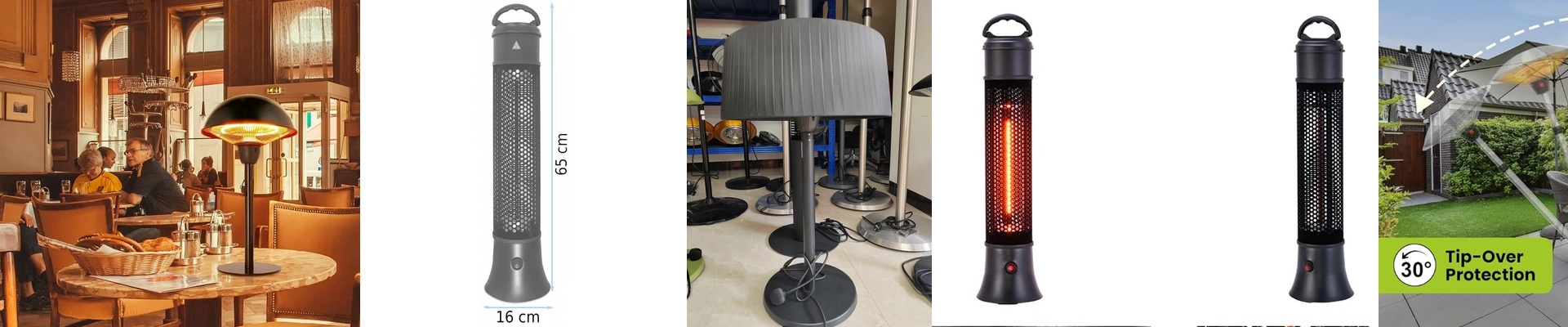
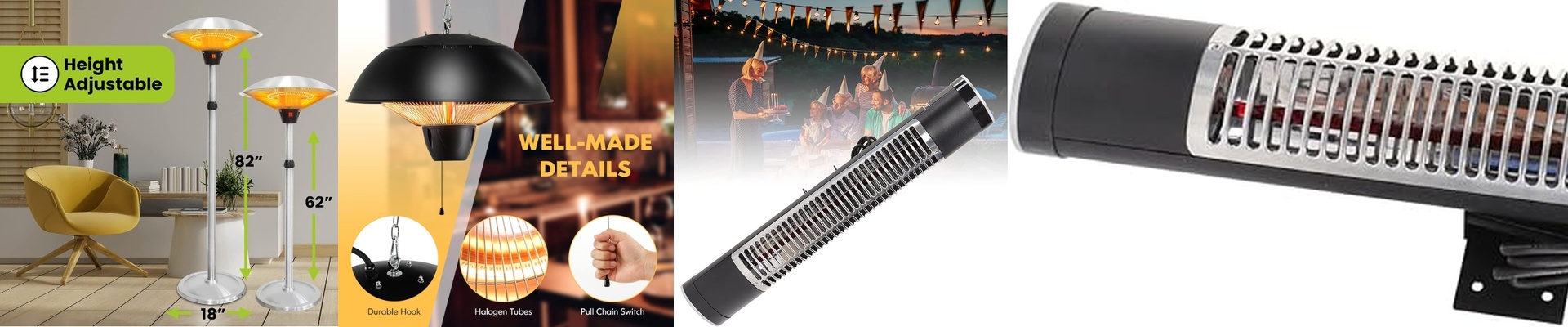
We built these outdoor infrared heaters because, honestly, convection heating just falls flat when you’re dealing with open air. These units lean on halogen-based far-infrared elements, sending warmth that cuts right through the air with almost no loss, landing straight on people and objects. If you’re an engineer trying to heat a patio, a workshop, or any semi-open space, it’s not about just nudging the thermometer up. It’s about getting real, usable heat where you need it, exactly when you need it.
Getting into the Details: Power, Voltage, and How the Heat Spreads
What makes these heaters tick boils down to wattage, voltage, and the way the emitter is laid out. A typical outdoor halogen infrared heater runs straight off mains voltage, packed into a small footprint that punches above its weight with radiant heat. Wattage sets the heat level, while the length of the tube and the reflector shape how that heat spreads out. That’s why we match the element size to the job it’s going to do. You need enough power to reach people several meters away, but you also want that heat to spread evenly, without surprises. The voltage rating keeps everything stable on a standard industrial supply, and the element length keeps the resistance just right so the current stays steady. Here’s the trade-off: more wattage means more intensity, but it also means the surface runs hotter. So when you’re installing, you need to plan for enough clearance and any local shielding.
The Build: Halogen Element, Quartz Tube, and the R7s Connection
At the heart of it all is a halogen-filled quartz tube. The halogen gas lets the filament run hotter without that nasty blackening, which keeps the heat output steady over the life of the unit. The quartz envelope? It lets infrared pass through easily and handles the quick shifts from cold to hot without cracking. We went with R7s-type connectors because they’re simple, industrial-grade, and just work. The two-pin setup is easy to wire, holds its alignment, and you’ll find it on most heater fixtures. And that halogen system delivers a spectrum with a strong far-infrared punch—exactly what we need for that deep, penetrating warmth.
Why It Matters: Warming That Feels Good and Works Smart
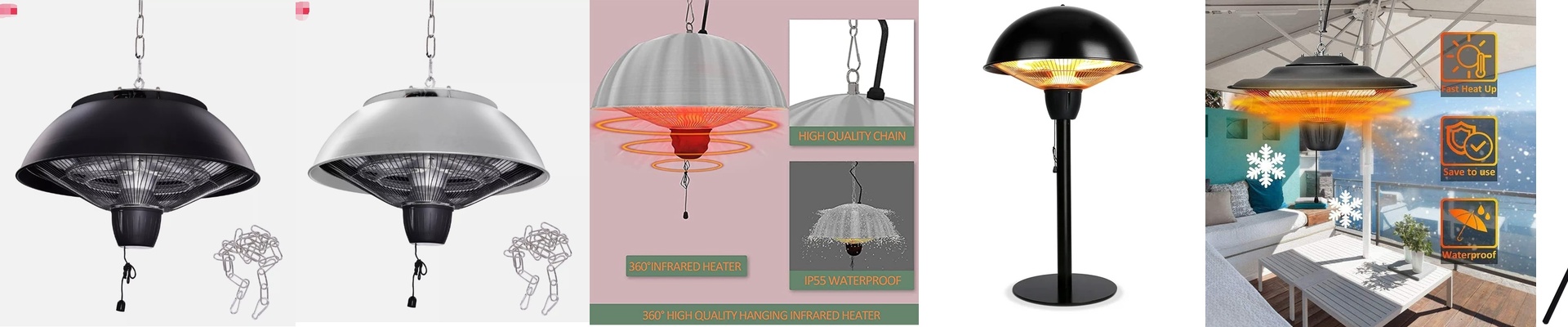
Outdoors or in semi-enclosed spaces, convection heat just drifts away before it ever reaches people. Infrared heaters fix that by sending radiant energy that warms surfaces and bodies directly. The far-infrared part sinks just below the skin, giving you that gentle, deep-tissue warmth that can help with circulation when you’re out in the cold. We’re not making medical claims here—it’s physics. Your body soaks up infrared energy, which warms the tissue and makes you feel comfortable. From an engineering angle, that means fewer drafts, less wasted energy, and comfort focused right where you need it. You can mount the unit overhead to keep walkways clear, and the R7s connection makes swapping out parts or maintenance a breeze. Just a heads-up for the best results: position the heater to cut glare and make sure you’ve got the right clearances. And pair it with proper controls so it matches the weather and how many people are around.