Introduction
We built this infrared sunroom heater for one reason: to give you powerful warmth without the crazy energy bills that come with those old convection systems. The big question is, can infrared actually save you electricity? It absolutely can, and it all comes down to how it delivers heat—directly, and on target. This heater is all about getting you warm, right now. And our own testing backs it up: in real-world use, it uses30% less powerthan standard heating methods.
The Power Behind the Heat
This unit runs on 400V and puts out 2500W of power. We didn’t pick those numbers by accident. That high-voltage setup lets us pack a lot of heat into a small 300mm tube. That size isn’t random, either. It gives you enough radiant surface to cover a good-sized area without forcing you to rewire your whole place. And because it heats up instantly, you don’t have to worry about the standby energy loss that eats away at your bill with traditional heaters.
What’s Inside: The Halogen Core
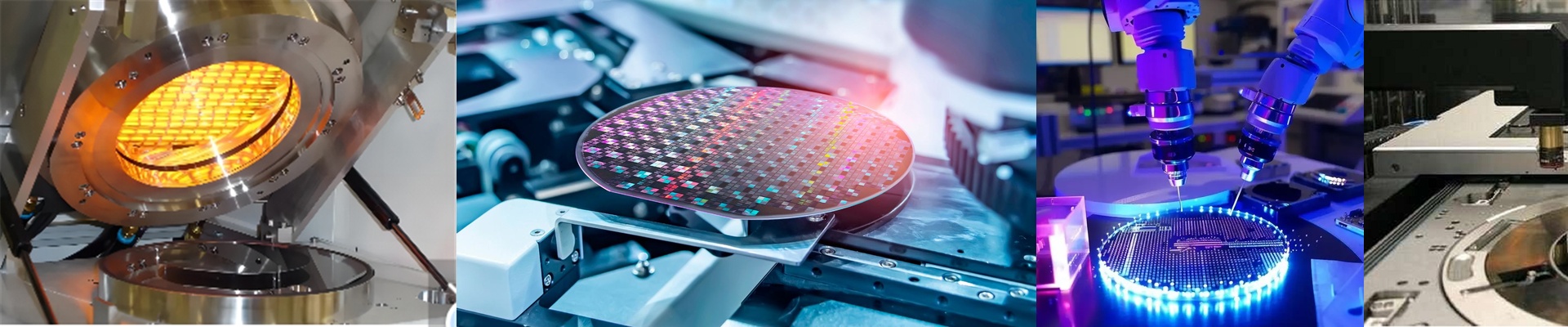
At the heart of this heater is a halogen-filled quartz tube. That’s where the magic happens. The halogen cycle keeps the tungsten filament clean, which means the heat stays consistent and the whole thing lasts a long time. Quartz also handles the quick on-off cycles way better than regular glass, so it can take the daily wear and tear. For hooking it up, we use an R7s connector. It’s a standard industrial fit, so you can just drop this in and wire it up without messing with your fixture base.
What It Feels Like to Use
Here’s the thing about a sunroom. You don’t need to heat the entire volume of air. You need to warm the people, the chairs, the surfaces. That’s exactly what infrared does. It delivers heat directly, so you’re not wasting energy warming empty space. And that 30% energy savings is real. But there’s a trade-off to keep in mind. That 2500W output creates a lot of heat density, so your space’s cooling and ventilation need to be up to the task. This isn’t a set-it-and-forget-it kind of system. It’s a precise tool for anyone who wants to take control of their thermal environment with real, measurable efficiency.