



Why Infrared Towel Rails Just Make More Sense
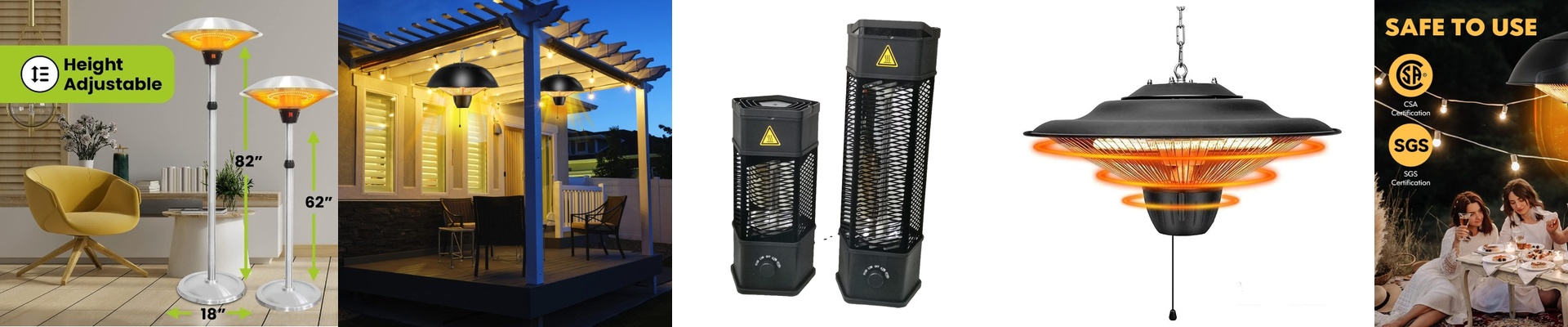
If you’ve ever tried to heat a big, open changing area, you know the struggle. You turn the heat up, but the warmth just floats straight to the ceiling. By the time you actually reach for your towel, you’re still shivering. It’s frustrating. That’s why we shifted to short-wave infrared (IR). Instead of trying to warm up all the air in the room—which is basically a losing battle—IR ignores the air entirely. It sends heat straight into the fabric of the towel and right into your skin. It feels like stepping into a patch of sunlight on a cold day.
Heat, right now.
Traditional water-filled rails are slow. You’re waiting 30 minutes or more for them to even get lukewarm. With IR, you don’t wait. It hits top temperature in seconds. We’ve designed these to create a little “warm zone.” You get that luxury hotel feeling the moment you step in, but you aren’t paying to heat the entire building just to dry a few towels.
The nitty-gritty on the gear
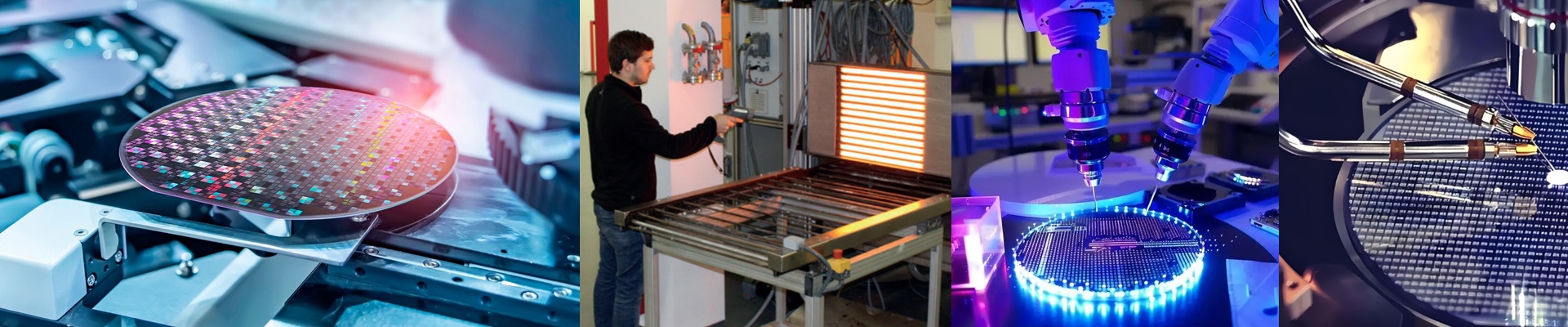
We use high-wattage quartz or halogen elements because they can handle damp environments without breaking a sweat. We also coat them to make sure the heat hits the water and fabric specifically, rather than just wasting energy. But here is the thing: these units pull a decent amount of power. If you’re putting a bunch of them in one room, don’t just plug them in and hope for the best. Make sure your wiring can handle the peak load, or you’ll be tripping breakers every time the system kicks in.
Setting it up (and keeping it running)
The best part? These are basically drop-in replacements. You don’t have to mess around with pumps, pipes, or boiler connections. That means no leaks to worry about and a much easier install. We use reinforced connectors too. In high-humidity spots, standard connections tend to burn out, but these are built to last. To keep your electric bill from spiking, just hook them up to a motion sensor or a timer. That way, they’re only working when someone is actually there to enjoy them. Simple.