
Cutting Carbon in the Fab: Why Infrared is the Way to Go
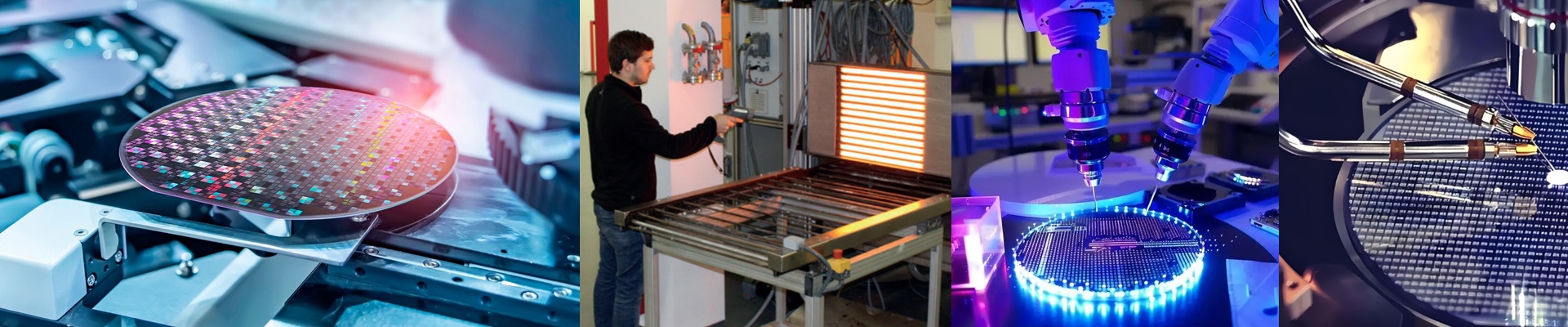
If you’re trying to hit those carbon neutrality targets in a semiconductor fab, you’ve probably realized that the old way of doing things just isn’t cutting it. Most of us are still relying on resistive heating, which basically just toasts the air around the wafer. It’s a waste. That’s why we’ve been moving toward Short-Wave Infrared (SWIR) systems. Instead of heating the whole room, you’re aiming the heat exactly where it needs to go: the wafer.
The Logic Behind the Heat
Think about it like a microwave versus a conventional oven. You don’t need to wait for the entire chamber to get hot before the work starts. With IR lamps, the heat is radiant. It hits the target instantly. This means your ramp-up time drops significantly. You’re using fewer kilowatt-hours per cycle, which is a huge win for the energy bill. We’re seeing the biggest impact in the drying, curing, and annealing stages. It’s just leaner.
Getting the Hardware Right
Most of the time, we’re talking about quartz-halogen tubes. They pack a lot of punch in a tiny footprint, which is great when floor space in the clean room is at a premium. Usually, these are wired into high-voltage circuits to keep the cables thin and the current draw manageable. To make it even more efficient, we use gold or aluminum reflectors. They bounce any stray heat back onto the wafer. Without them, your HVAC system has to work twice as hard to fight the ambient heat, which completely defeats the purpose of saving energy. One quick tip: if you’re swapping out old lamps, double-check your power supplies. halogen filaments have a nasty habit of pulling a huge spike of current the second they turn on.
The Catch: Speed vs. Stress
Here’s the thing: IR is fast. Sometimes, it’s too fast. If you just blast the substrate with heat, you risk thermal shock or warping. It’s a delicate balance. You can’t just crank the wattage; you need a really tight PID control loop to make sure you don’t accidentally fry your materials. The lamp is only half the battle. The real secret is the control loop. If your sensors are sluggish, you’ll overshoot your target temperature before you even realize it. That’s why we always suggest using fast-response pyrometers. They keep everything stable and predictable.