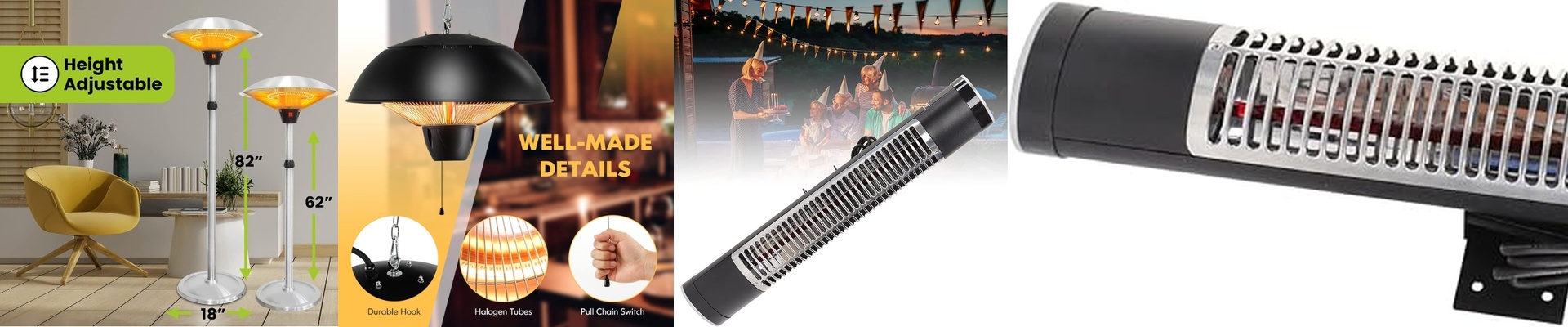
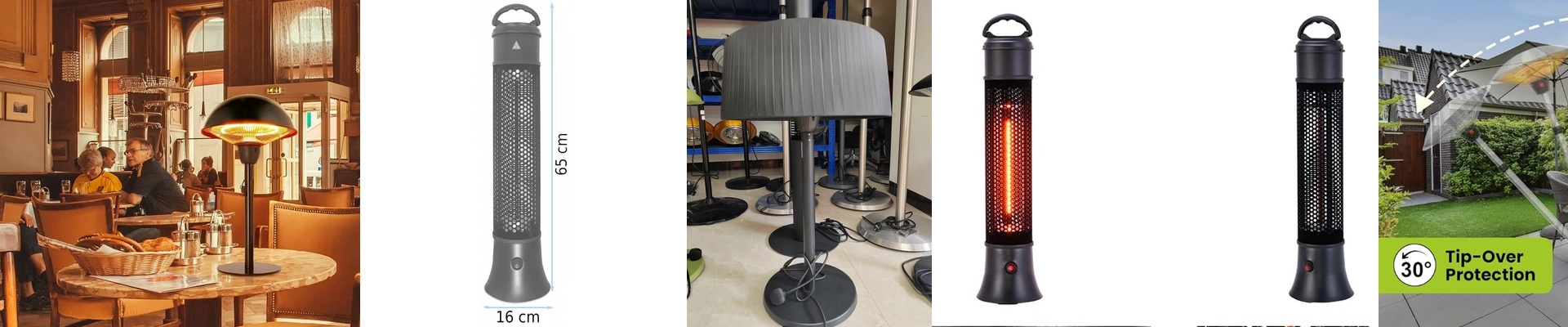
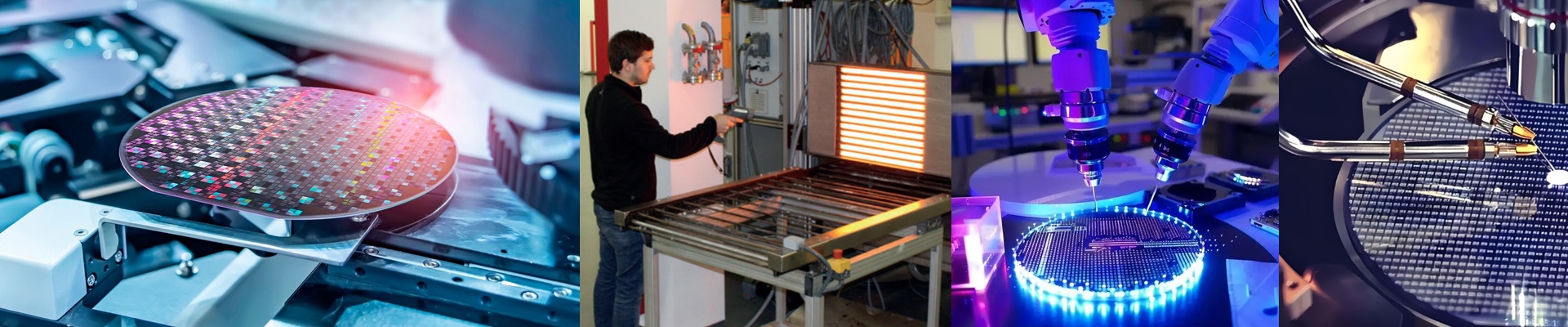
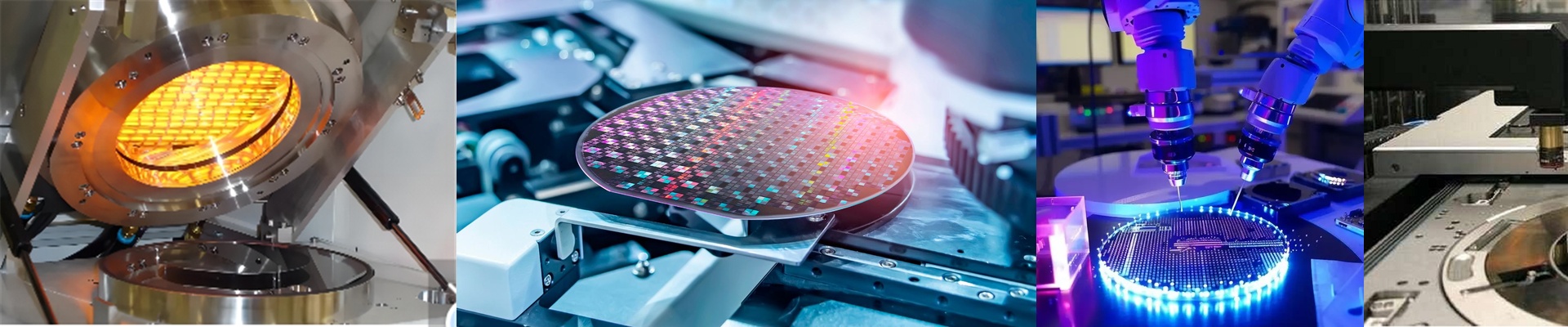
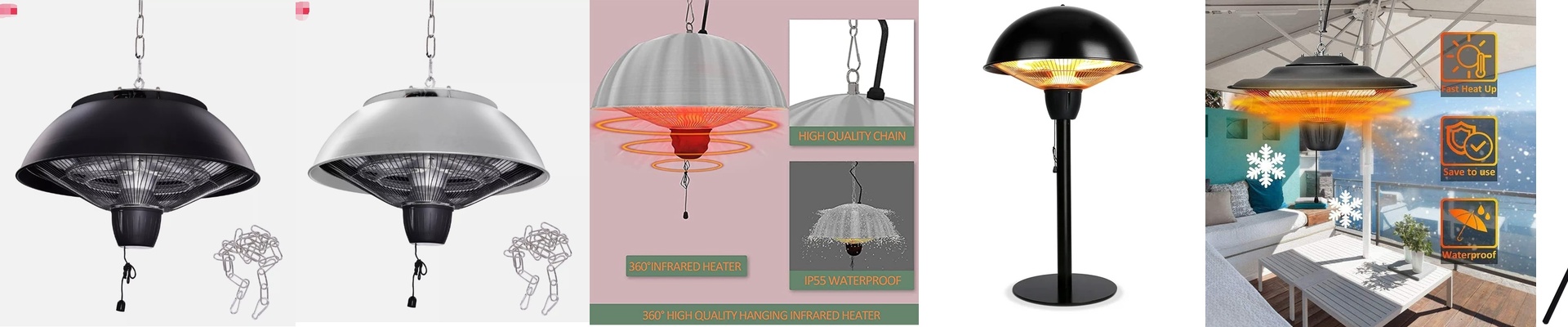

High-Efficiency Directional Infrared Heaters: Warming Big Warehouses, Without the Guesswork
Let’s be real—heating a massive warehouse is a headache. You’re not trying to warm the whole empty air; you just want heat where people are, where the work is. That’s exactly why we built this directional infrared heater. It’s all about putting warmth right where you need it, when you need it, and cutting out the energy waste.
The Power Behind the Heat
At the heart of this system is a high-output infrared tube that throws out dense, focused heat. We size the wattage to match the space, so you get the BTU output you need without straining the circuit. It runs on 400V, pulling enough current to pack serious heat density into a small footprint. That high-voltage setup keeps energy loss low over long runs—handy in a big building—but it does need its own dedicated power line. And the tube length? We’ve tuned it so the heat beam hits the right area, cleanly, without spilling everywhere.
The Design That Makes It Work
The tube itself is a halogen-filled quartz beast. Quartz handles crazy heat and gets hot fast. Inside, the halogen gas does something clever: it recycles evaporated filament back onto the filament. That keeps the tube from blackening and helps it stay strong for thousands of hours. It uses an R7s connector, the standard for high-temp lamps, with a secure two-point contact that can handle the heat and the electrical load without failing. And the reflector coating? It focuses the infrared energy into a tight beam, so you can aim the heat exactly where you want it.
What It Feels Like in a Warehouse
Heating the entire air in a warehouse is a losing game—expensive and inefficient. This heater changes that by sending radiant heat straight to people, equipment, and work zones. It’s heat on demand. You feel it instantly, with no waiting around for air handlers to kick in. Compared to forced-air systems, this targeted approach can slash energy use. Just keep in mind, it’s intense, localized heat. If you have cooling nearby, make sure it’s sized to handle the extra warmth. For tough industrial spots that need spot heating, it’s a direct, tough solution that gets the job done.