Why Ceramic End Caps Actually Matter for Your IR Emitters
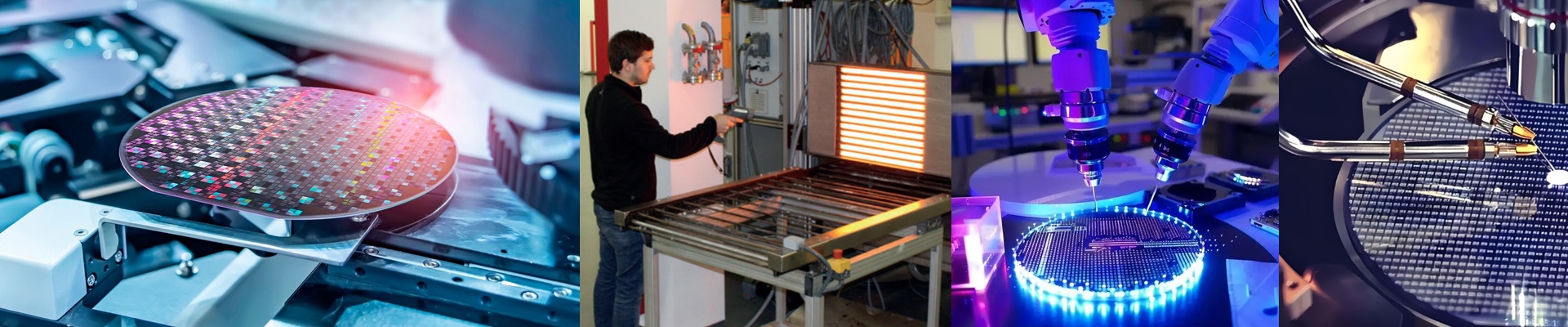
In semiconductor fab, we’re all chasing that perfect thermal window. It’s a tough balance. You need extreme precision, but you’re also trying to stop your carbon footprint from skyrocketing. Most people look at the big machines, but the real secret is often in the tiny stuff. Take the ceramic end cap. It looks like a minor detail, but it basically decides whether your energy hits the wafer or just vanishes into the chamber.
Stopping the Heat Leak
We usually go with high-purity alumina or zirconia for these. Why? Because metal caps are heat magnets—they bleed energy right into the lamp housing through conduction. Ceramics don’t do that. They act like a wall, trapping the heat inside the quartz tube and forcing it to radiate where it belongs. The best part? You can dial back the wattage and still hit your target surface temperature. It’s a win-win: your wafers stay consistent, and your energy bill drops.
Dealing with Voltage and Stress
Here is the tricky part: the connection point is almost always where things go south. High-power IR systems are brutal on hardware. You need that ceramic insulation to stop arcing before it happens. But it’s not just about electricity; it’s about movement. The quartz tube expands and contracts as it heats up. If the cap doesn’t breathe and move at the same rate, it’ll crack. And a crack is a death sentence. Once oxygen leaks in, that tungsten filament burns out in a heartbeat.
The Trade-offs (and how to handle them)
To get a tighter temperature window, we often tuck thermocouples right into the ceramic assembly. It gives your PID controllers the real-time data they need to stop guessing. But, there’s a catch. Ceramic is brittle. If a technician is a bit too rough during a lamp swap, the cap can chip. One little chip ruins the seal, kills the lamp life, and creates more waste. It’s frustrating. My advice? Use dedicated jigs for installation. It takes the guesswork out of it and keeps the parts safe. When you get the specs right, the whole heating bank just runs leaner and lasts longer.