Why We’re Moving Away from Basic Bathroom Heat Lamps
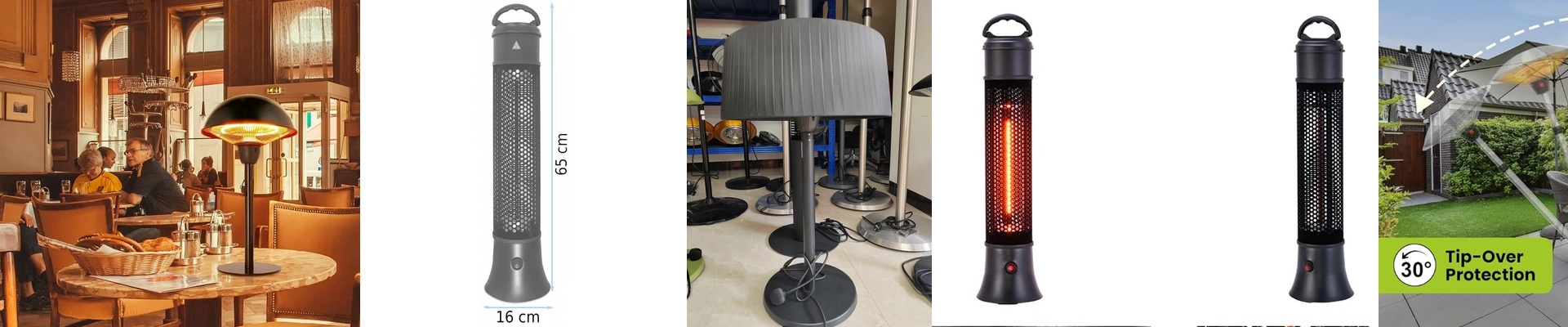
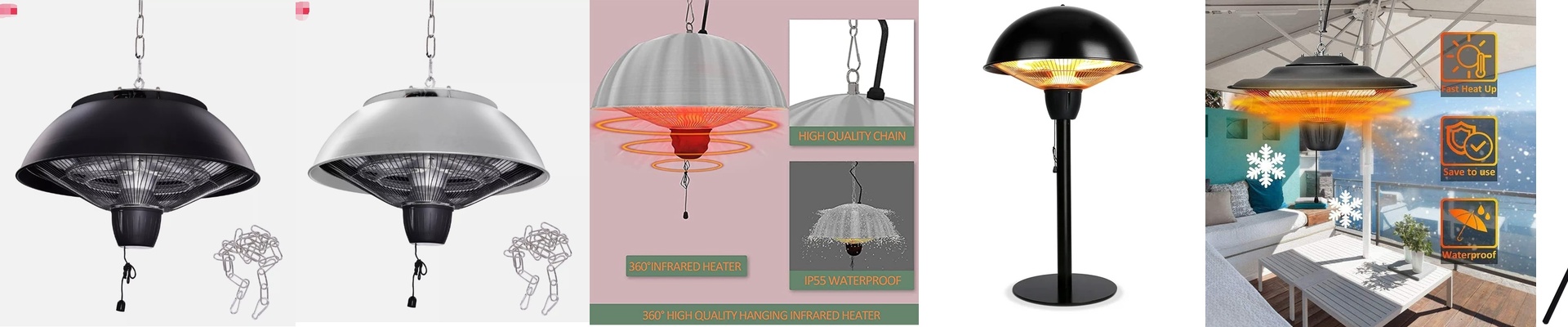
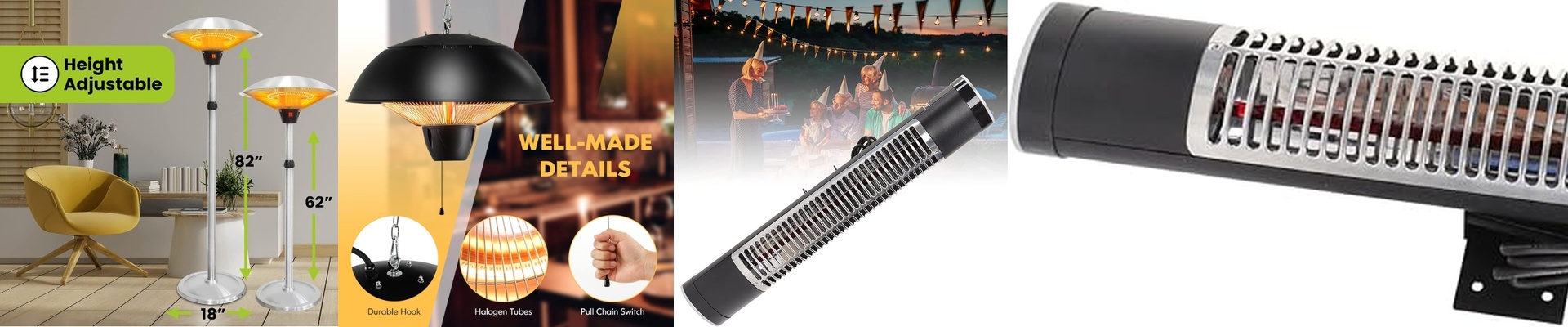
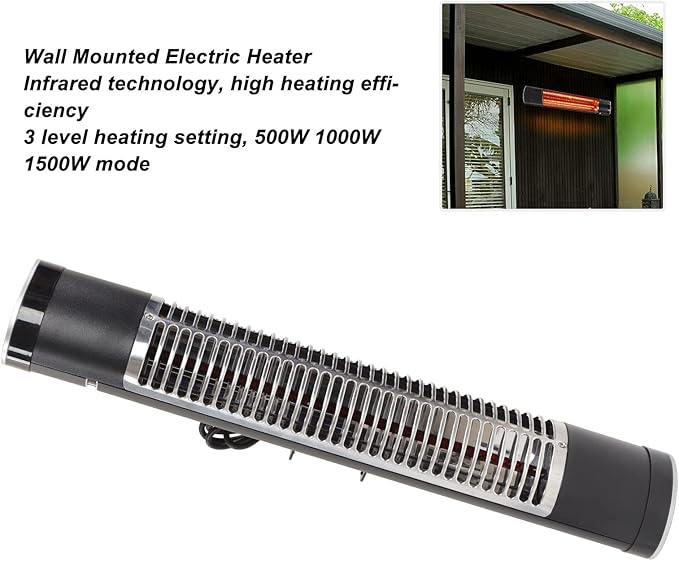
Ever notice how those old-school halogen heat lamps always seem to burn out right when you need them? It’s not a coincidence. Those things just weren’t built for the steam and splashes of a real bathroom. Moisture gets into the electrical contacts, and—pop—there goes your heater. That’s why we’ve shifted toward high-standard waterproof infrared heaters. They actually handle the humidity without shorting out. The secret is in how they heat. Most bathroom heaters try to warm up the air. But air is slow. Infrared is different. It sends out short-wave radiation that hits you—and your Mirror—directly. You don’t have to stand around waiting for the room to warm up; you feel it instantly. When we put these into mirrors, we spend a lot of time balancing the heat density. We want to kill the fog fast, but we have to be careful. If the glass heats up unevenly, it can crack. Nobody wants a shattered mirror. Let’s talk about the “IP” stuff. If steam leaks into a standard socket, the heater is toast. To stop that, we use high IP-rated seals (usually IPX4 or better). Think of it as a raincoat for your wiring. It keeps the humid air out and the electricity safe. For you, that just means the thing lasts longer and you aren’t calling a repairman every six months. A few things to watch out for. Here’s the catch: infrared elements provide a ton of heat, but they’re hungry for power. If you’re putting these into an old bathroom, please check your wiring first. If the wires are too thin for the load, they’ll overheat. It’s a safety issue, plain and simple. We’ve designed our units to slide right into the spots where old light-heaters used to be, but the way they breathe is different. You need to leave a bit of room around the mirror mounting for airflow. If you cram it too tight, the housing will get too hot and trip the thermal cut-off. It’s not just a suggestion—it’s what keeps the unit running while you’re taking a long, hot shower.