Why we put our bathroom lamps through the “steam torture” test
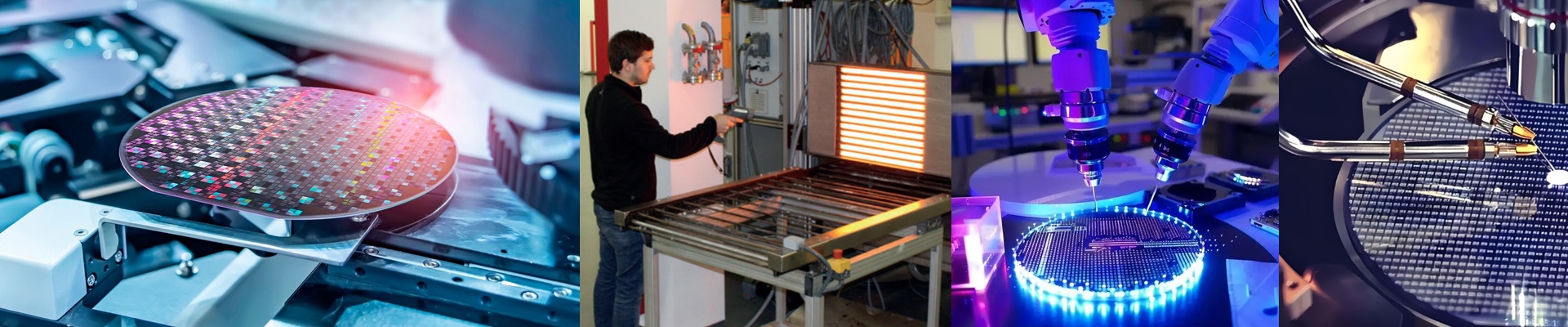
Let’s be honest: bathrooms are a nightmare for electronics. You’ve got thick steam, wild temperature swings, and constant moisture hanging in the air. If a heating lamp isn’t built exactly right, the seals leak, the contacts rust, and the whole thing just dies. We don’t want that happening on your watch. So, we put every single batch through what we call damp-heat aging tests. Basically, we try to break the lamps in our lab so they don’t break in your customer’s home. The battle against moisture Moisture and electricity don’t get along. In a cheap heater, water vapor sneaks into the housing and settles right on the electrodes. That causes oxidation. Then, when you flip the switch, those oxidized contacts start to overheat. It’s a recipe for disaster. To stop this, we shove our lamps into chambers with brutal humidity and heat. We’re essentially simulating years of steamy showers in just a few weeks. If a seal is going to leak, we want it to happen here, not later. The “breathing” problem It’s not just about the water, though. It’s the constant cycle of getting hot and then cooling down. When the quartz glass heats up, it expands. When it shuts off, it shrinks. This creates a “breathing” effect that can actually suck moist air right into the internal wiring. While we test, we keep a close eye on the insulation resistance. If that number drops, we know the seal is gone. It’s a lot of work, but it beats dealing with a short circuit in someone’s ceiling. The trade-off Here’s the catch: these tests take time. We can’t just roll a batch off the assembly line and ship it the same day. The lamps have to “soak” in the chamber to prove they can handle the pressure. This means our production cycle is a bit slower than the other guys. But it’s a choice we’re happy to make. You can have a product that ships fast, or you can have a product that actually lasts. We’re betting on the latter.