Stop Losing Customers to the Cold: The Truth About 1500W Ceiling Heaters
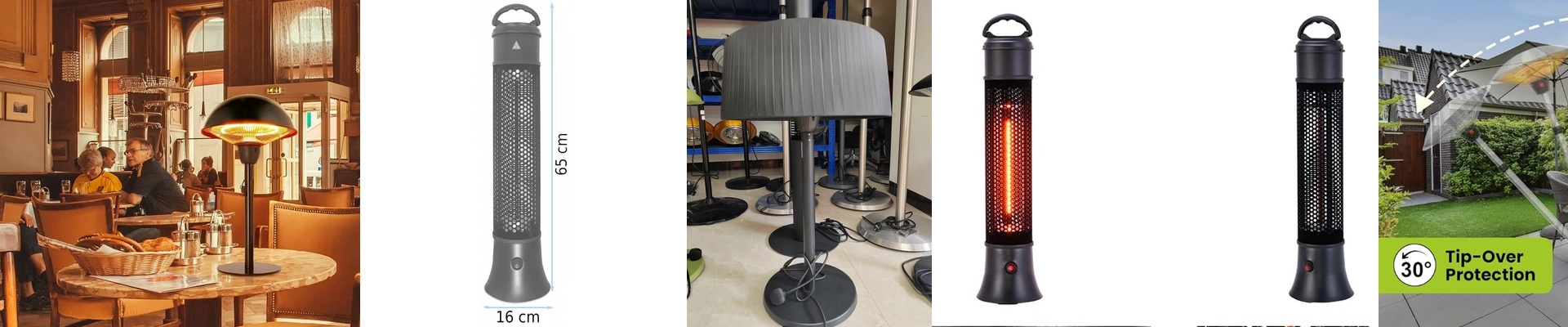
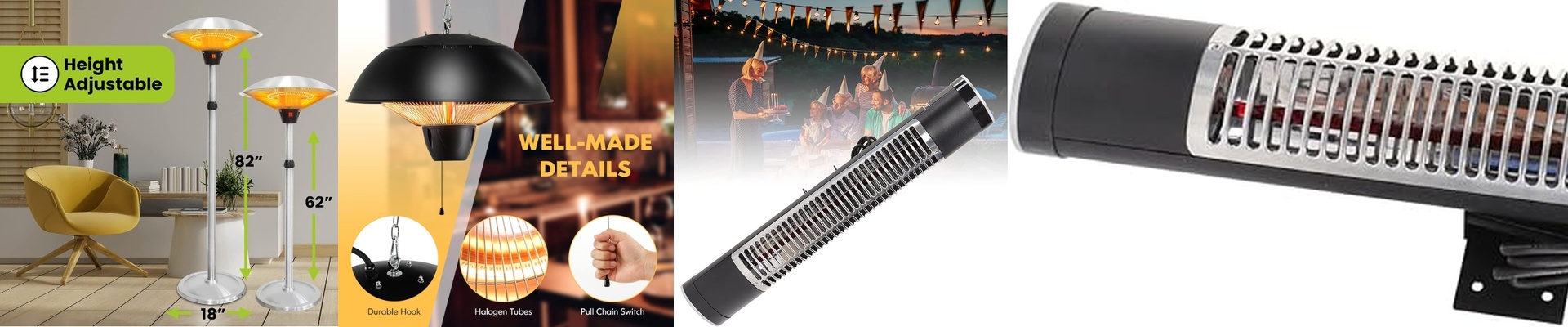
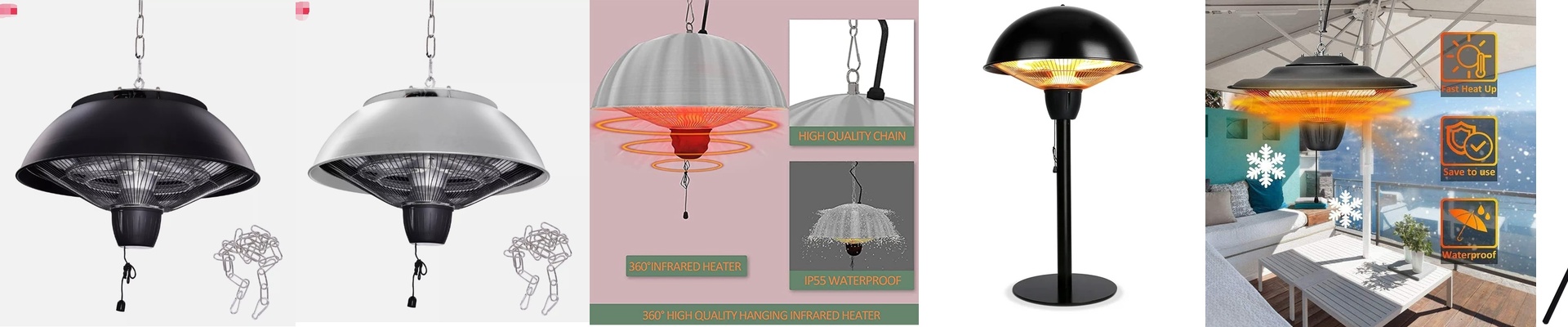
It’s a frustrating sight for any restaurant owner: a beautiful patio sitting empty because it’s just a bit too chilly for people to enjoy. When guests start shivering, they don’t order that second bottle of wine or a dessert. They just want to go home. That’s where 1500W infrared ceiling heaters come in. The big mistake people make is trying to “heat the air.” If you use a fan or a forced-air system outdoors, you’re basically trying to fight the wind. You’ll lose every time. Infrared is different. It sends out radiant energy that travels in a straight line. It doesn’t care about the breeze; it just warms up whatever it hits—which, in this case, is your guests. Why 1500W? I call 1500W the “sweet spot” for gazebos. It’s powerful enough to take the edge off a 5-10°C drop in temperature, but it won’t trip your breakers or overload your electrical panel. By mounting these to the ceiling, you get what I call “heat rain.” The warmth hits people on their heads and shoulders first. It feels natural. It makes them feel cozy and tucked in, which means they stay in their seats longer. The Gear and the Setup Most of these units use short-wave quartz elements. In plain English? They work fast. Short-wave heat sinks into the skin much quicker than the long-wave stuff. Plus, since they’re wired into the overhead grid, you get your floor space back. No more clunky, dangerous heater towers that servers have to dodge while carrying heavy trays of food. It’s cleaner and safer. The Bottom Line (and the Gotchas) When people are comfortable, they spend more. It’s that simple. Better comfort means more table turns and higher beverage sales. But, you have to be smart about the install. If your ceiling is higher than 3.5 meters, a 1500W unit is going to struggle. The heat has too far to travel, and by the time it reaches the guest, it’s lost its punch. In that case, you’ll either need more units or something with more kick. Also, keep in mind that radiant heat is directional. If a guest leans way back or moves out of the “beam,” they’ll feel the chill again instantly. To fix this, don’t just put one heater in the middle. Use a staggered grid layout. This covers the gaps and makes sure there are no cold spots at your tables.