Why you should ditch the old heat lamps for high-IP infrared
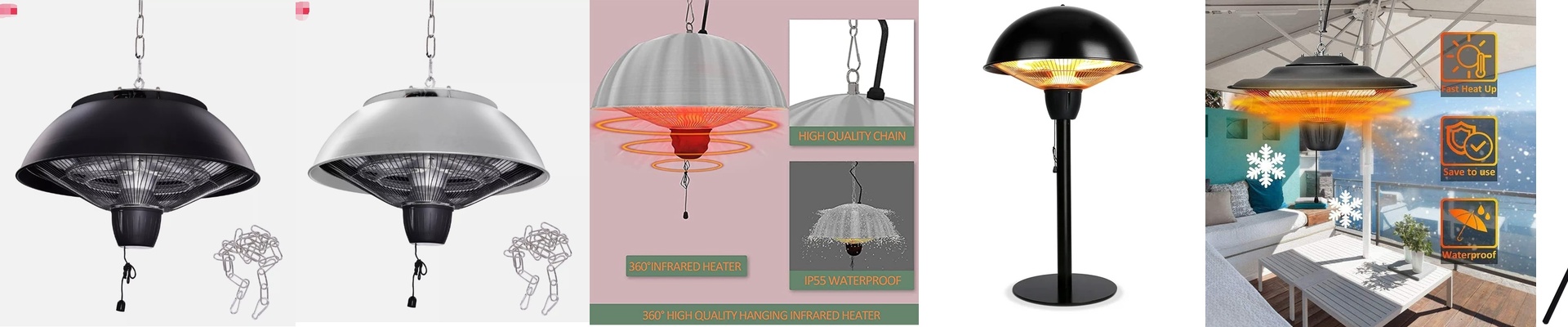
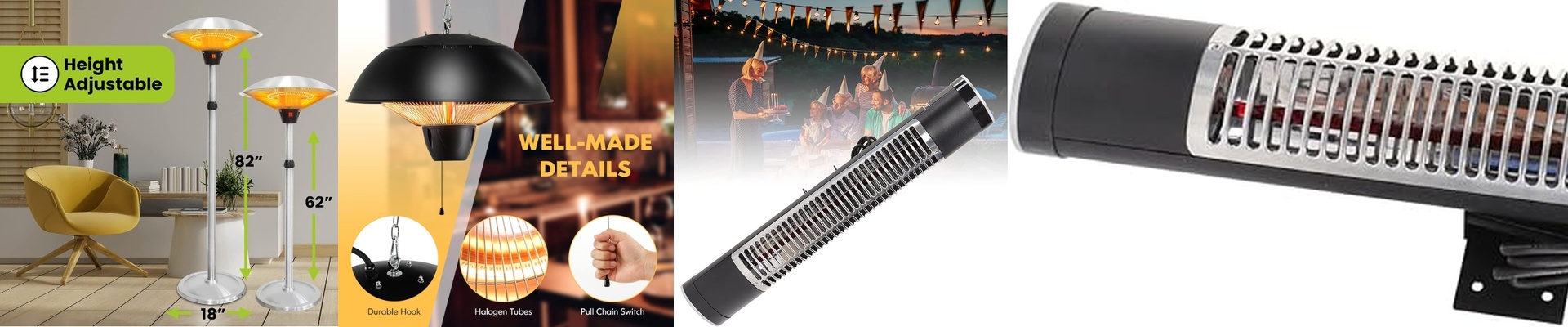
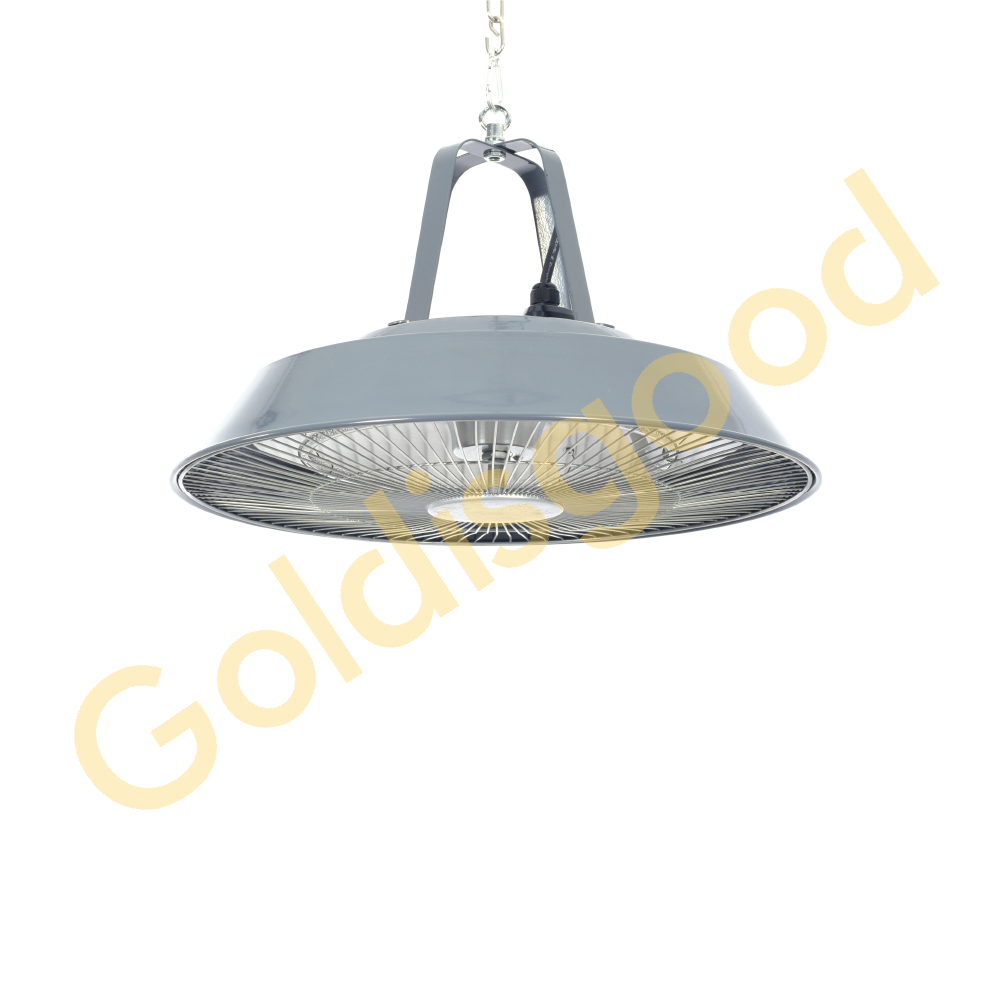
Ever notice how those standard bathroom heat lamps always seem to die right when you need them? It’s not a coincidence. In a steamy bathroom, moisture just loves to find its way inside the housing. Once that happens, you’ve got short circuits or corroded filaments. Basically, the humidity kills the heater. That’s why we’re seeing such a big push toward high-grade waterproof infrared heaters. They’re just built to survive the steam. The trick to actually staying warm Most old-school heaters try to warm up the air. But here’s the problem: bathrooms have vents and gaps under the doors. The warm air just floats away. Infrared is different. Instead of fighting the air, it sends out waves that hit you and the floor directly. It feels like standing in a patch of sunlight. You aren’t wasting power trying to heat every single cubic inch of the room—you’re just heating yourself. Why the “IP rating” actually matters You’ll see a lot of talk about “IP ratings.” In plain English? It’s about survival. A basic heater isn’t meant for direct splashes or thick clouds of steam. High-IP units use sealed housings and heavy-duty gaskets to keep the electronics bone-dry. If that seal isn’t there, the unit becomes a liability. With a properly waterproofed heater, you can let the shower run hot without worrying about what’s happening inside the ceiling. A few things to watch out for during install These are usually ceiling-mounted, which is great because the heat spreads out over a wider area. You get that cozy blanket of warmth the moment you step out of the shower. But, a word of caution: don’t just swap these in and hope for the best. These high-wattage units pull a lot of power. If your home has old wiring or a tired electrical panel, you might trip the breaker the second you flip the switch. Definitely check your wiring gauge and breaker capacity before you start drilling holes. It’s worth the effort, though. You’ll stop spending your weekends replacing burnt-out bulbs and dealing with flaky hardware. You just get a heater that works, handles the humidity, and actually keeps you warm.