Why you should swap those old bathroom heat lamps for waterproof infrared
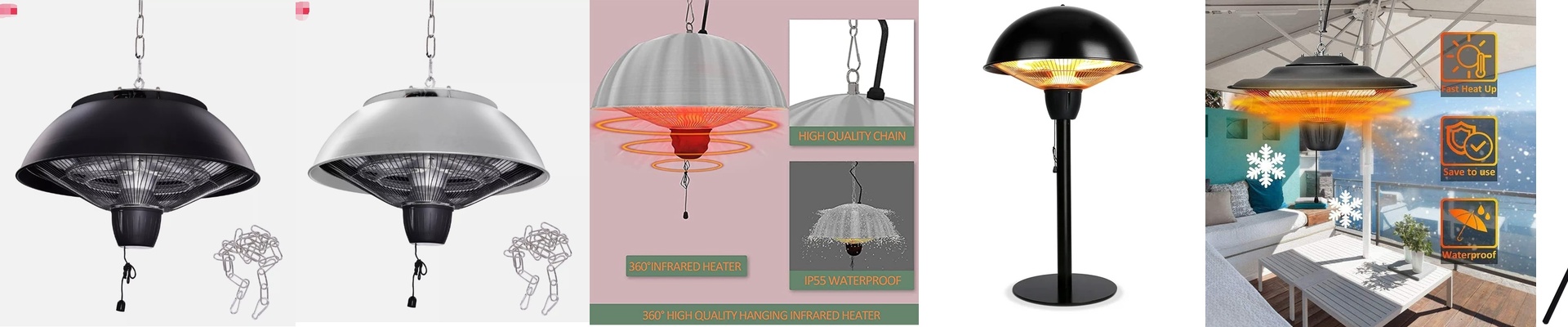
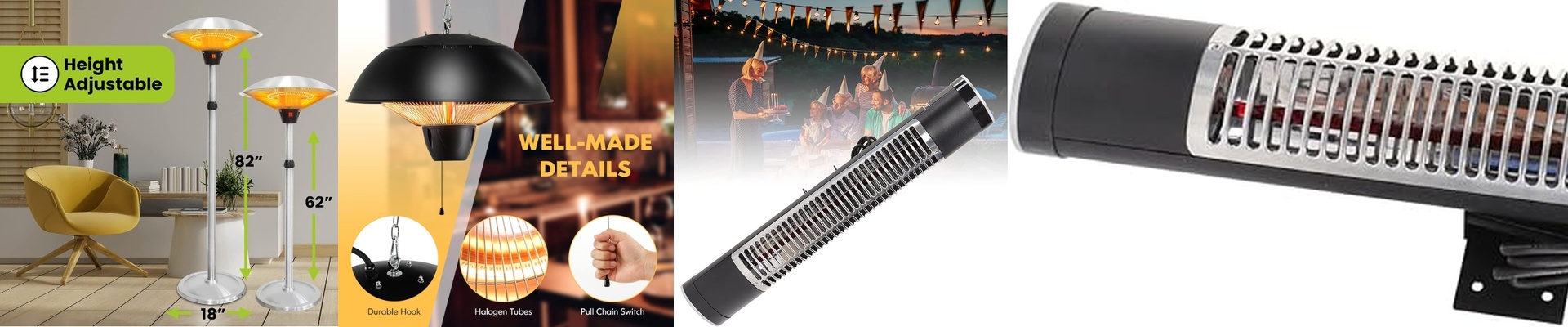
We’ve all been there. You step out of a hot shower into a freezing bathroom, and those old-school “light-style” heaters are doing absolutely nothing. You’re shivering, the room is full of steam, and you’re wondering why you’re even paying for the electricity. The problem is that those old lamps just weren’t built for the damp. They leak, they fail, and honestly, they’re a bit of a gamble when it comes to safety. That’s why we’re seeing so many people switch over to high-standard waterproof infrared heaters during their renos. It’s not about making the bathroom look fancy—it’s about staying warm and staying safe. The magic of radiant heat Most heaters try to warm up the air. But in a bathroom? That’s a losing battle. The steam and the drafts just push that warmth away before it ever hits you. Infrared is different. It doesn’t care about the air. It sends out waves that heat your skin and the surfaces around you directly. It’s instant. You feel it the second you flip the switch, even if the room is still a freezer. We use short-wave infrared specifically because it cuts right through the steam. Why the “IP Rating” actually matters You’ll see a lot of talk about “IP ratings.” In plain English, that just means how well the unit is sealed. Bathrooms are brutal. Between the direct splashes and the constant condensation, a standard heater is basically asking for trouble. If water hits a non-rated halogen lamp, the glass can literally crack from the temperature shock, or worse, the wiring shorts out. A properly rated infrared unit is sealed tight. It keeps the water out and the electricity where it belongs. A few things to keep in mind for the install It’s not as simple as swapping a lightbulb, though. Since these units are a bit beefier than a simple lamp, you’ll need to make sure you have enough room in your ceiling. And a quick tip: check your circuit breaker. These heaters pull a decent amount of power the moment they kick in, so you want to make sure your wiring can handle the load. The long game The best part? You stop dealing with the constant headache of burnt-out lamps. Because these units are built for wet zones, they don’t corrode nearly as fast. You install them, they work, and you can actually enjoy your morning shower without the post-bath shivers.