
Making Your Patio Heaters Actually Smart
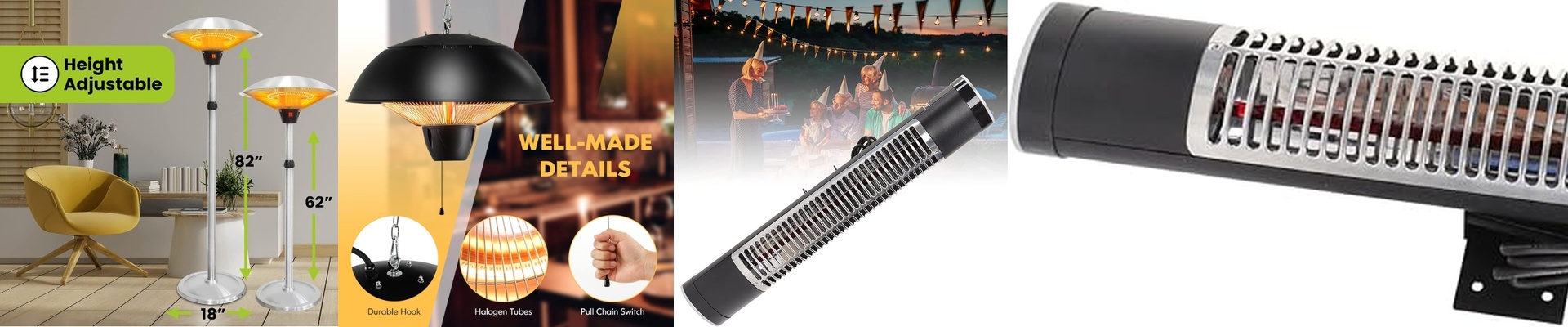
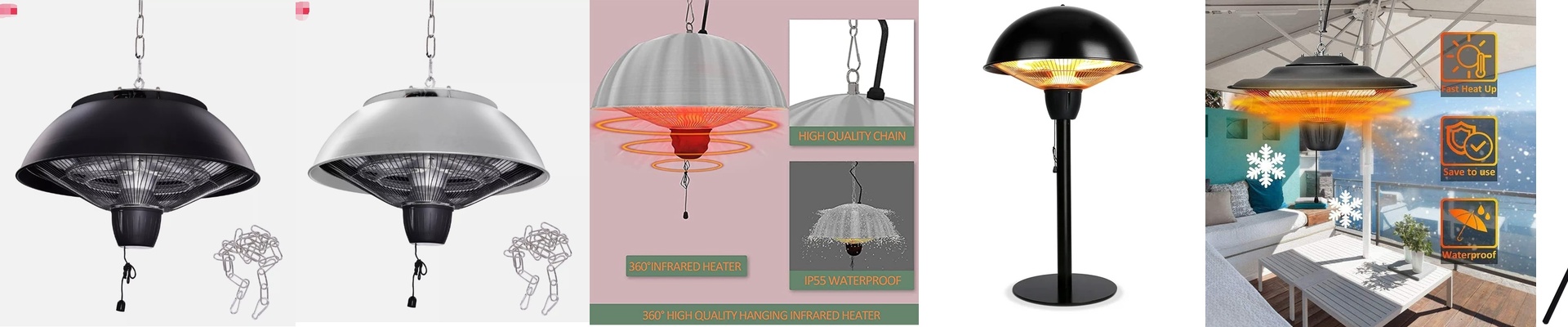
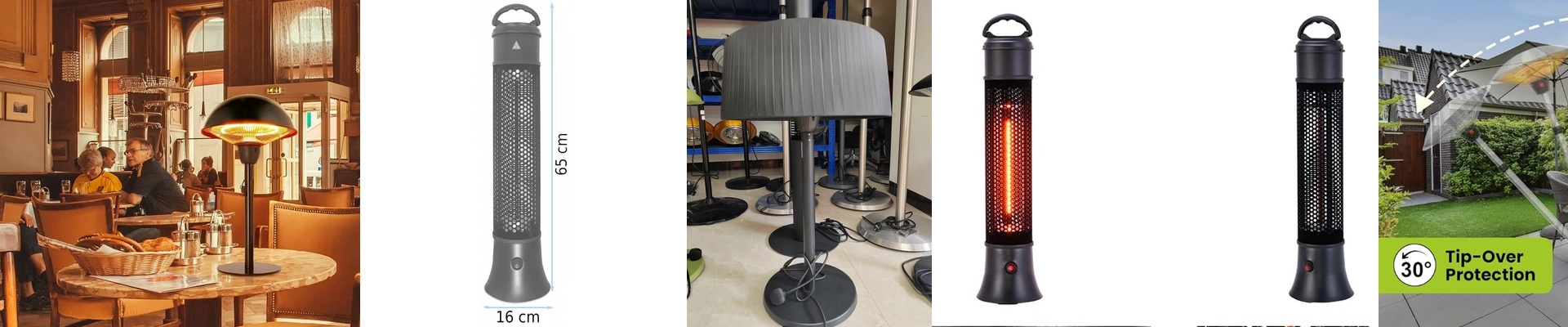
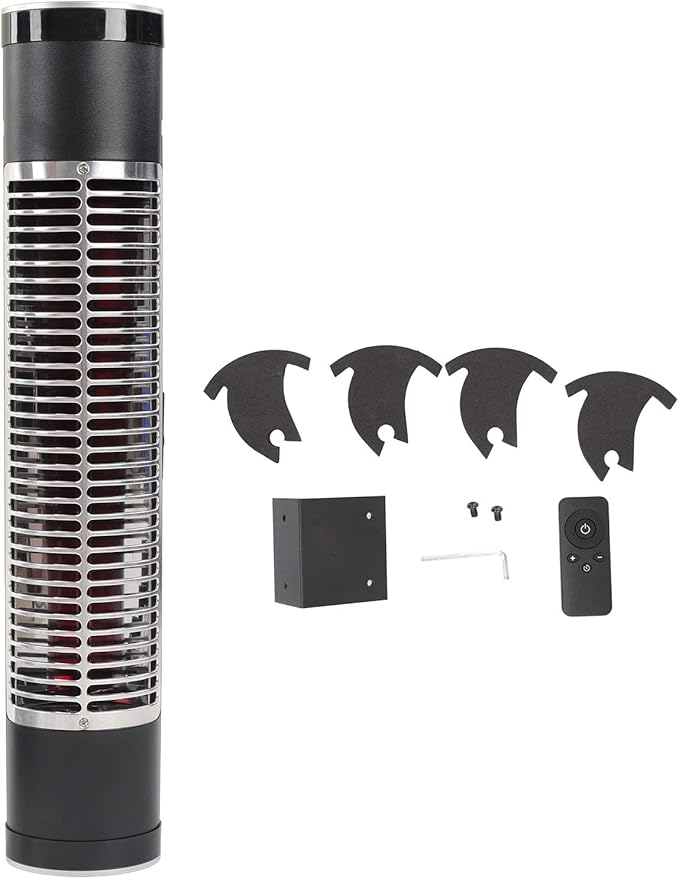
Let’s be honest: nobody likes getting up from a comfortable outdoor chair just to flip a switch because the evening air suddenly turned chilly. If you’ve got a patio or an outdoor bar, you probably already know about infrared heaters. They’re great because they warm you up instantly, rather than trying to heat the entire outdoors (which is a losing battle). But taking those heaters and plugging them into your smart home? That’s where things get interesting. The Nitty-Gritty Here is how it actually works. These heaters use quartz tubes to throw out radiant heat. It’s like the sun—it travels through the air and only warms up when it hits something solid, like your skin or a drink glass. Since these live outside, we use waterproof housings to keep the rain from frying the electronics. But to make them “smart,” you can’t just plug them into a wall. You need a heavy-duty relay or a smart contactor. Think of it as a middleman. Your smart hub sends a tiny, low-voltage signal to the relay, and the relay then flips the switch on the high-voltage power the heaters actually need to glow. No More Fumbling for Switches Once it’s set up, it’s a breeze. You can just tap a “Winter Mode” button on your phone, and the filaments hit their top temperature in seconds. You feel the heat almost immediately. My favorite way to do this, though, is to add a temperature sensor. You can set it so that the moment your patio dips below 10°C, the heaters just… kick in. You don’t even have to think about it. You just stay warm. A Few Things to Watch Out For Now, don’t just wing the installation. This is where people usually mess up. First,**please don’t use a cheap smart plug.**These heaters pull a massive amount of power. A flimsy plug will melt or burn out its circuitry pretty quickly. You need a contactor that’s rated for the specific amperage of your heater. Also, while the heater itself is waterproof, the smart controller isn’t. Keep that tucked away in a dry junction box, or you’ll deal with corrosion and signal drops. And one last tip: don’t skimp on the wiring. If the wires are too thin, you’ll lose voltage along the line. That means your tubes won’t get as hot, and you’re left shivering despite the “smart” tech. Get the right gauge wire, and you’re golden.