Stop Worrying About Your IR Heaters Blowing Up Your Cleaning Cell
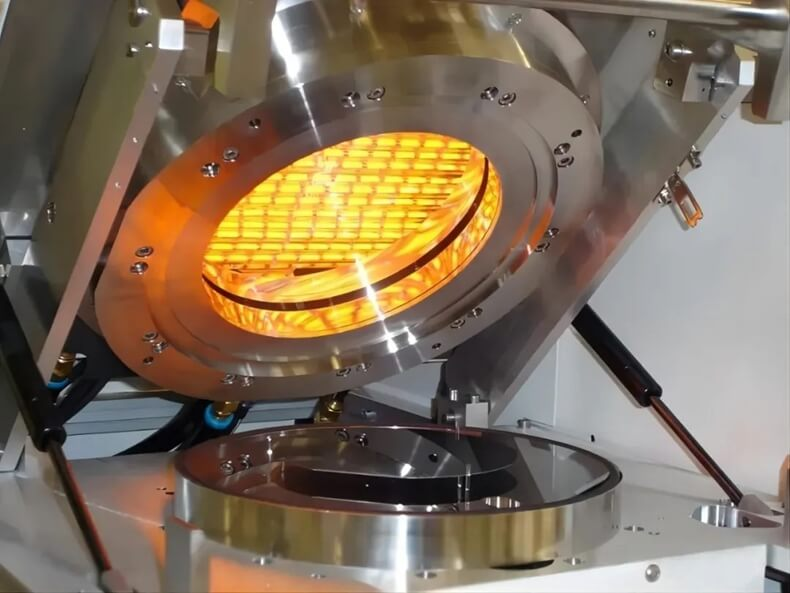
Let’s be honest: running infrared heat in a chemical cleaning cell is a nerve-wracking game. You’ve got volatile vapors floating around and vacuum pressures pulling at everything. In that environment, a standard IR lamp isn’t just a tool—it’s a liability. One tiny crack in the quartz or a wire that wiggles loose, and you’ve got a massive problem on your hands. We figured out a better way. Instead of using those open-element lamps, we went with a vacuum-compatible, encapsulated design. Keeping the fire where it belongs We don’t just wrap the heating element; we seal it inside a high-strength quartz envelope and then add a second layer of protection. Think of it as a double-walled vault. This keeps the scorching hot filament completely separate from those flammable solvent vapors. And because it’s vacuum-rated, you don’t have to worry about the lamp imploding the second the chamber pressure drops. We even use specialized glass-to-metal seals at the terminals. No gas gets inside. Period. No sparks, no surprises Arcing is the last thing you want in an explosive atmosphere. To stop that, we use high-temperature fluoropolymer insulation for all the wiring. We also ditched the cheap connectors that tend to loosen up after a few heat cycles. But here’s the trick: you have to be smart about your wattage. If you cram too many watts into a tiny space, the surface temperature climbs. If it hits the flash point of your cleaning agent, you’re in trouble. Make sure your PLC is tuned right so you don’t overshoot your target. Fitting it into your shop The best part? These are basically drop-in replacements. You can swap out your old IR arrays for these without rebuilding your whole setup, but you get all the safety layers required for hazardous zones. We know these things take a beating from corrosive fumes, so we coated the mounting brackets in materials that actually hold up. Just a tip: if you’re running high-vacuum cycles, double-check your cooling manifold. You’ll want it to handle the heat soak properly when you’re ramping down.