

Steamed-up mirrors. Floor tiles that bite back when you step out of the shower. In a bathroom, warmth isn’t a luxury—it’s a necessity. And because moisture is always in the air, the heater you choose has to do more than just feel warm. It has to hold up, day after day, with electrical integrity you can actually count on.
What matters under the hood
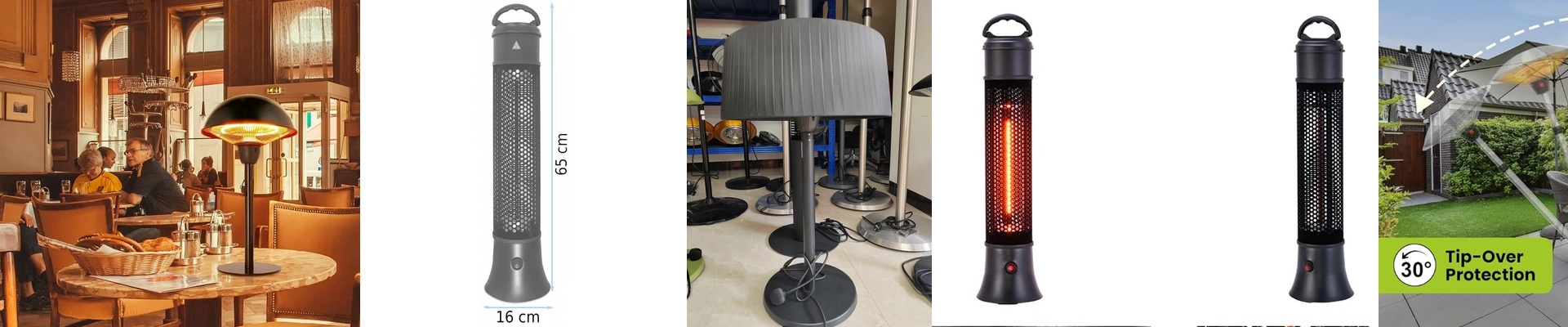
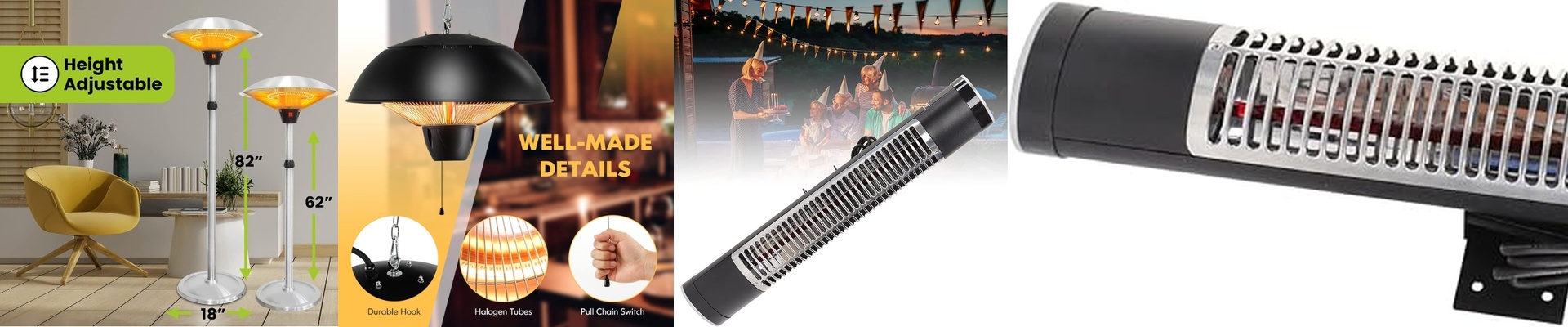
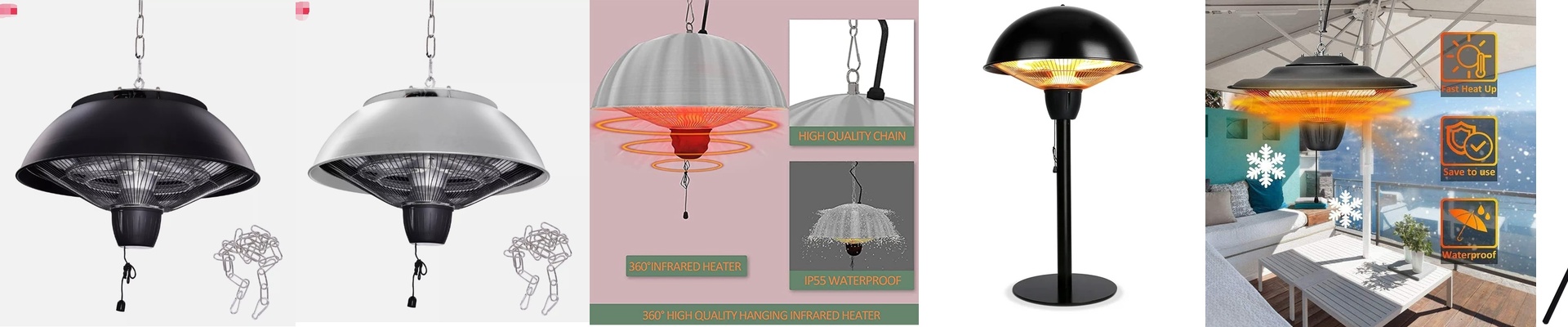
Far infrared heaters work by warming people and surfaces directly, not by blowing air around. That cuts down on drafts and keeps the humidity in the room from getting knocked all over the place. The heart of the unit is a sealed quartz or carbon fiber element, built to turn electricity into steady, radiant heat with solid efficiency. When you’re talking bathrooms, the electrical design is where units earn their keep. Look for a fully enclosed, double-insulated build, plus a grounded chassis and internal over-temperature protection. The IP rating needs to be IPX4 or higher—that’s your confirmation it can handle splashes and high humidity. In real life, those specs are what keep performance stable when the room is thick with steam.
Why this approach fits a bathroom
In a damp space, comfort comes down to how fast and how quietly the heat shows up. Far infrared delivers immediate radiant warmth, so you feel it the moment you step in. Because the element is sealed and the outer housing stays at a controlled temperature, you don’t have to worry about hot, exposed surfaces. Reliability also means fewer interruptions. With solid insulation and moisture-resistant components, the heater can run through shower cycles without tripping protection or cycling off. You get steady comfort, without the noise and dust that come with forced-air systems.
What you need to keep in mind
Installation matters. Mount the unit out of direct water spray, and respect the clearances for walls and ceilings. Size the circuit to the rated amperage, and if the bathroom doesn’t have GFCI protection, add it. One practical point: far infrared warms people and objects directly, so the air can feel cooler than the surfaces. That’s normal. For the best results, pair the heater with a thermostat and give it time to settle into a balanced comfort level.