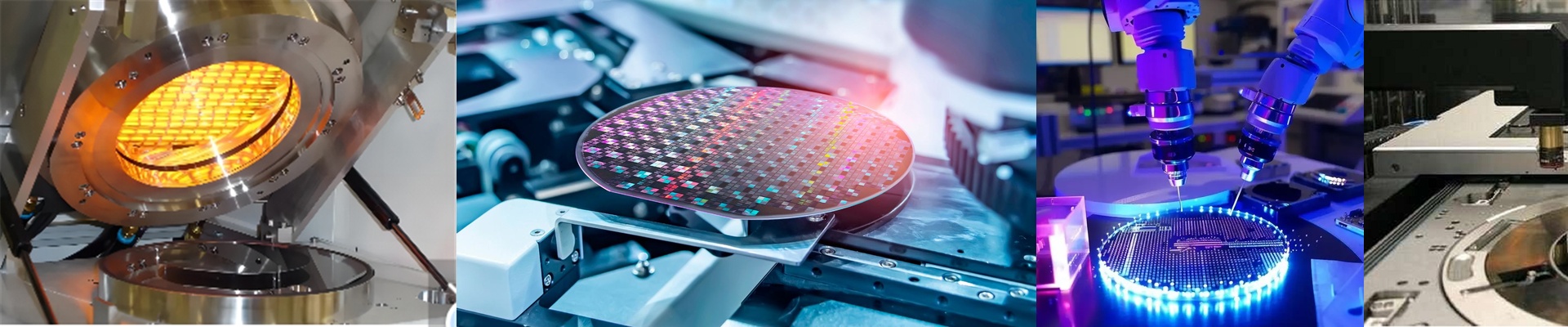
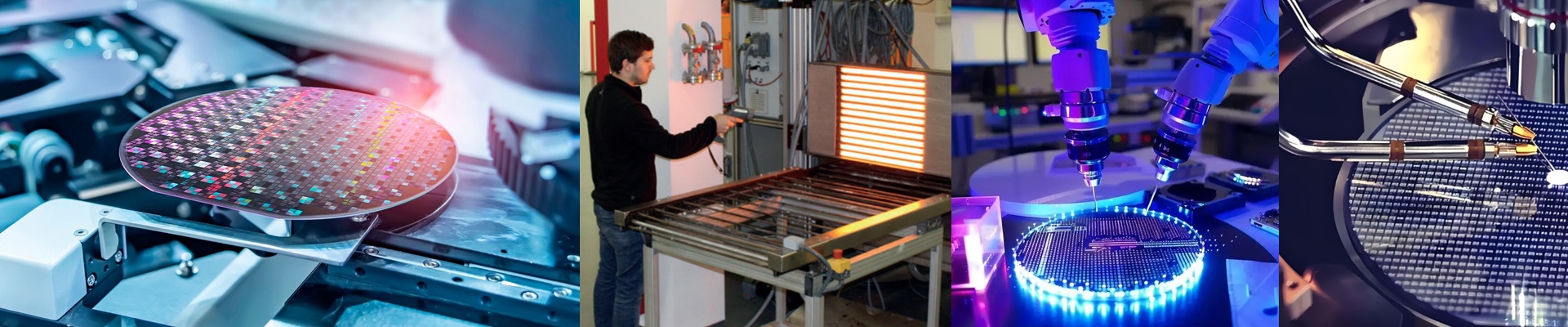

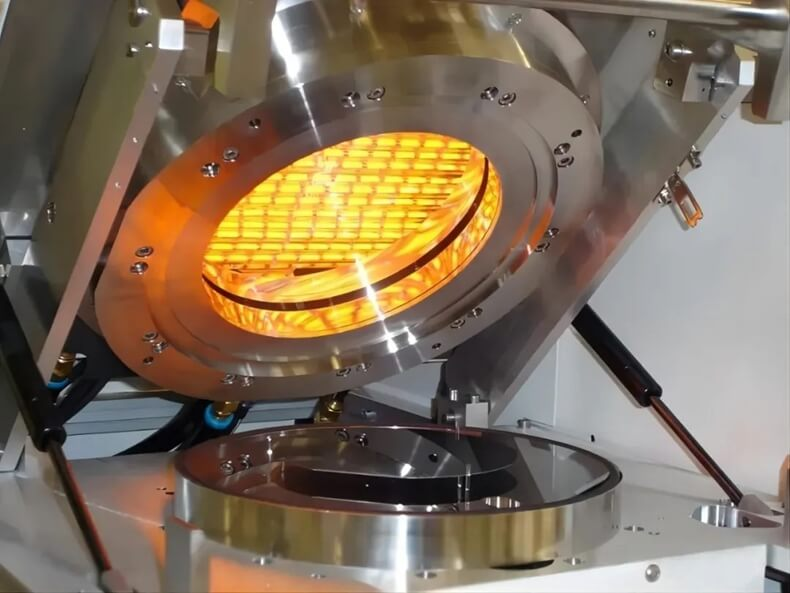
On the fab floor, temperature excursions during wafer probing and resist bake don’t just drift your specs—they flat-out scrap yield. We built the ellipsometry wafer probe heater to keep thermal reality inside the tolerance band, even when the line is running full tilt. What matters, technically The unit runs short-wave infrared with a fast-response quartz-halogen emitter, so ramp-up is repeatable and soak is stable. Across the probe zone, wafer-level uniformity holds at ±0.1°C, which keeps critical steps—soft bake, hard bake, and post-bake curing—within the photoresist thermal budget. The heater body is cleanroom-compatible for Class 1–100 and engineered to generate zero particles. The hot zone is isolated, and surfaces are passivated to minimize contamination. Integrated temperature feedback is traceable, so your process window stays consistent day-to-day and lot-to-lot. Why it holds up in real use This heater is the thermal anchor for ellipsometry and metrology-integrated probe stations, where the substrate has to sit at setpoint during measurement and drying. Tight uniformity cuts line-width variation, improves film thickness repeatability, and keeps the drying curve predictable after solvent strip. The payoff is fewer reworks, stable cycle times, and less scrap from thermal drift. You also end up using less energy, because the short dwell and tight control prevent unnecessary overshoot. A few shop-floor notes Installation means matching the probe station’s mechanical envelope and calibrating setpoint to your resist stack and bake profile. The heater will do its job, but the overall process window still depends on getting the recipe aligned. And the emitter has a finite life—treat it as planned maintenance, not a surprise failure, so you don’t get blindsided by downtime.