
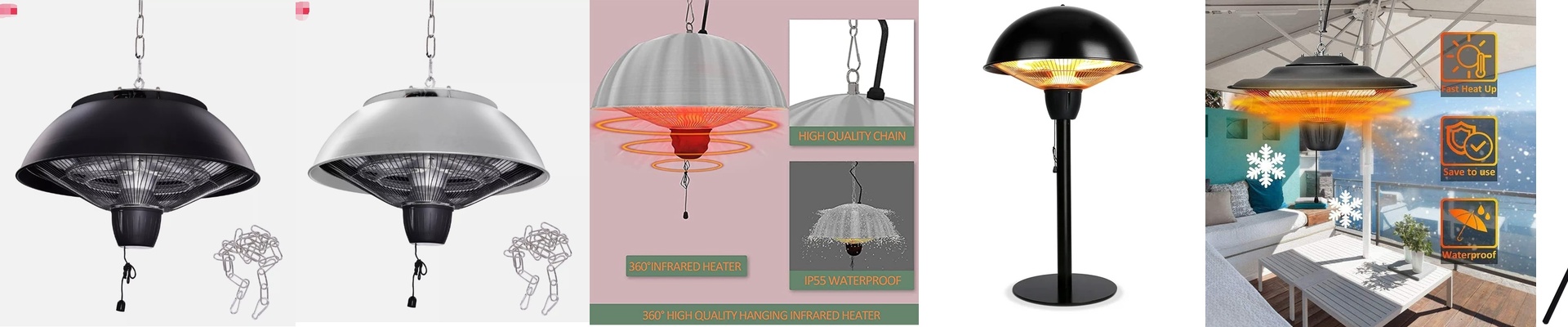



Outdoor evenings have a way of cutting short when the air turns sharp. You know the feeling—when the patio heater feels like an afterthought, and everyone starts edging closer to the glow, or heads inside while the conversation still has legs. We set out to fix that, right in the workshop. Our engineers zeroed in on one specific target: holding the gold-coated element to a 0.1mm thickness tolerance.
What actually matters under the hood
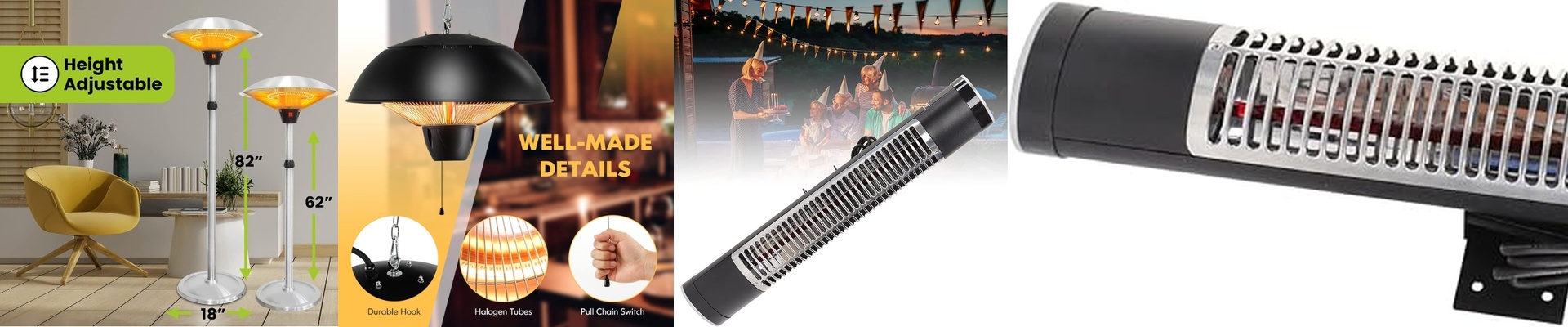
That tolerance isn’t marketing. It’s the difference between steady heat output and performance that drifts over time. With infrared warmth, the element has to be consistent, so we control the coating thickness to keep the temperature profile even across the whole emitting surface. No hot spots. No weak zones. Just even radiant heat. The carbon fiber heating element responds quickly, and the quartz tube shields the core and helps it hold up in damp outdoor air. You get two power options—1200W or 1500W—standard 120V plug-in wiring, and a footprint sized to slip beside a patio table or settle into a garden corner.
Why this approach works outdoors
On the patio, you need warmth that shows up fast and stays steady. Because the element is held to tight tolerances, the heater starts strong and keeps its output as the evening cools—no dip in heat when the air gets heavier. Infrared energy warms people and furniture directly, instead of trying to heat the air around them. Comfort builds quickly, without waiting for the whole yard to shift temperature. For you, that translates into fewer interruptions, more relaxed seating, and the ability to stretch dinner, reading, or conversation long after sunset.
The details that keep it honest
This garden heater is built for outdoor use, but placement matters. Keep it sheltered from heavy rain and wind, and aim the radiant beam over your seating area—just don’t point it straight into eyes. It runs quietly, but the front gets hot. Give it clearance from curtains, tablecloths, and kids. For the best setup, pair it with a thermostat-controlled arrangement and follow the placement guidance that comes with it. Comfort comes down to performance—and a little practical care.