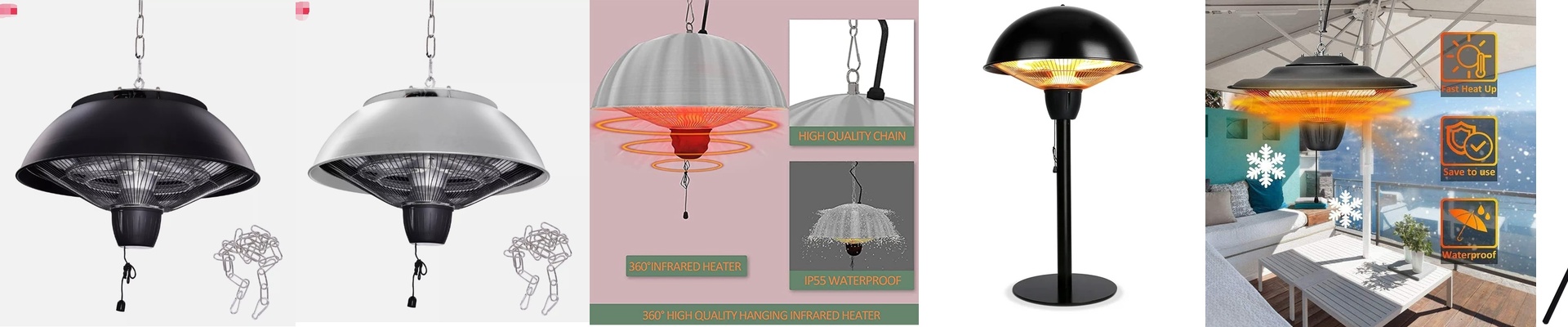

Step up to an infrared heater and hit the touch-screen control. Right away, you’ll see the element light—fast and clean—no waiting, no fan noise, just that bright glow inside the tube. That quick response tells you something about the quality of the heating element, and it matters whether you’re heating a workshop, a covered patio, or a three-season room.
What matters under the hood
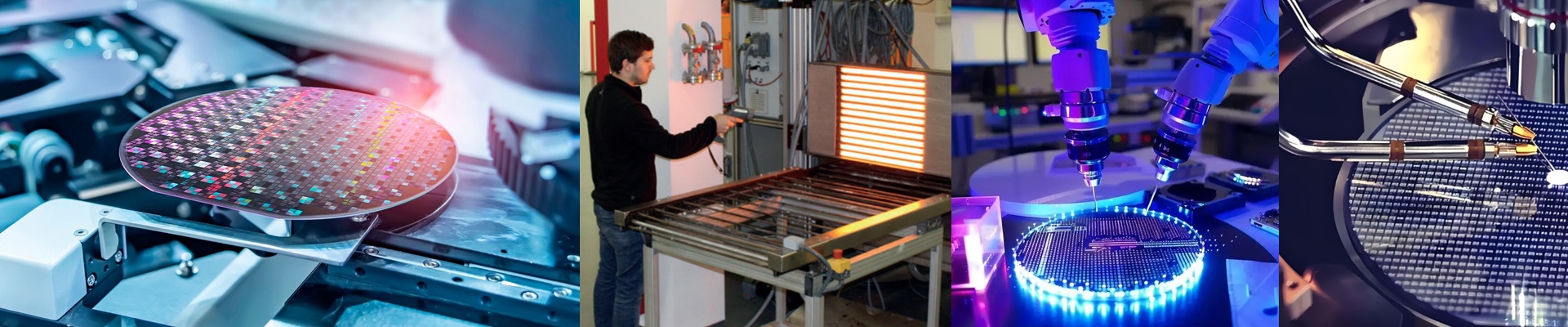
Infrared warmth comes from a radiant element, usually a quartz tube or a carbon fiber filament. When the touch-screen sends the signal, a high-purity element hits operating temperature almost instantly, so you get visible glow in a second or two. Cheaper materials take longer to come up, and you see a slower, dimmer ramp-up. Fast light means fast radiant heat, and a stable element holds temperature without wild swings. We build our heaters around that idea—clean materials, consistent spacing, and electronics that keep output steady. The touch-screen makes it easy to dial in comfort, and the unit runs quiet because it doesn’t lean on a noisy blower to push hot air around.
Why this matters in practice
You don’t have time to wait. When evening drops the temperature, you want warmth the moment you sit down, not five minutes later. A heater that lights quickly delivers comfort faster and performs more predictably, so the space actually works the way you planned. It also cuts down on the on-off cycling for small temperature dips, which can help trim energy use over a season.
What you need to keep straight
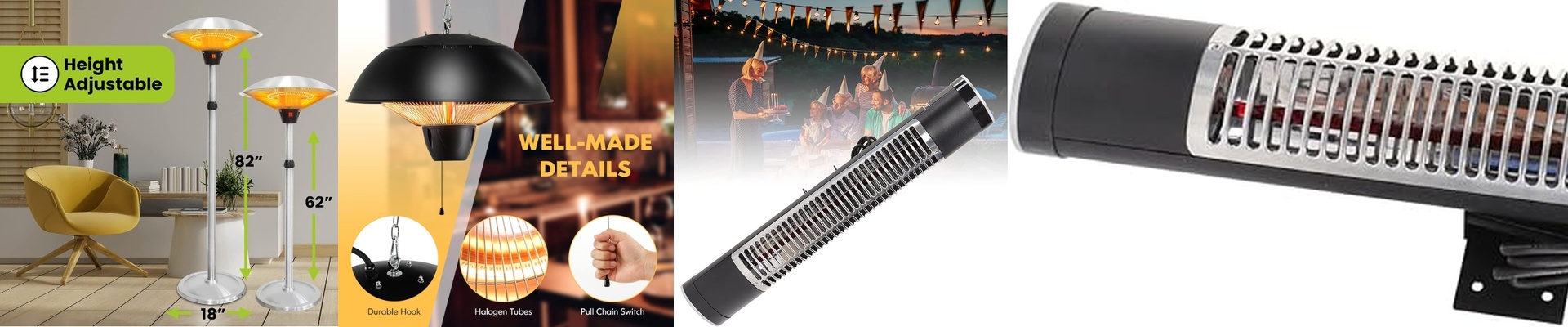
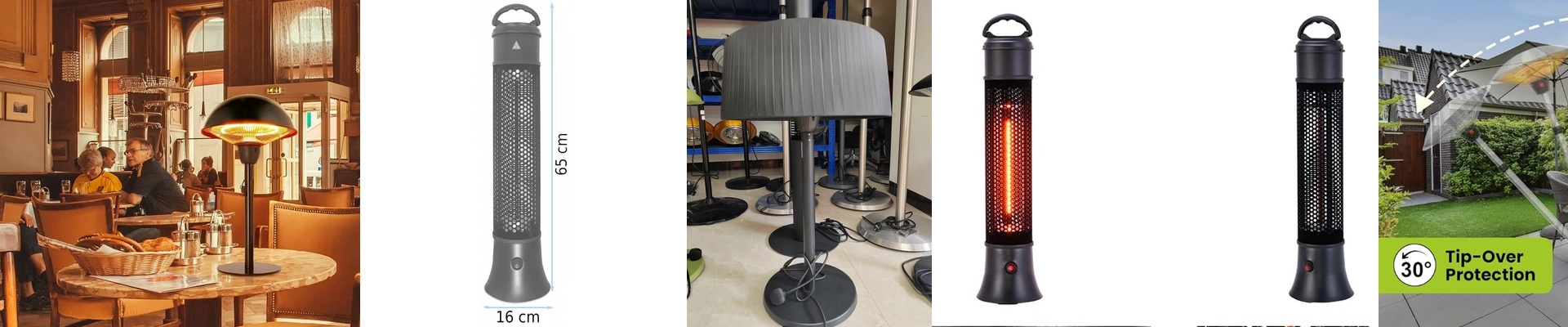
A fast-glowing element performs best when you aim the heater where people are, not where the thermometer is. Clear sightlines and proper clearance matter. Infrared heat feels direct, but the surrounding air won’t warm as quickly in windy spots, so an enclosed outdoor area or a sheltered corner will give you the most consistent feel. For full control, pair the touch-screen settings with a unit that includes tip-over protection and an IP rating suited to your environment.