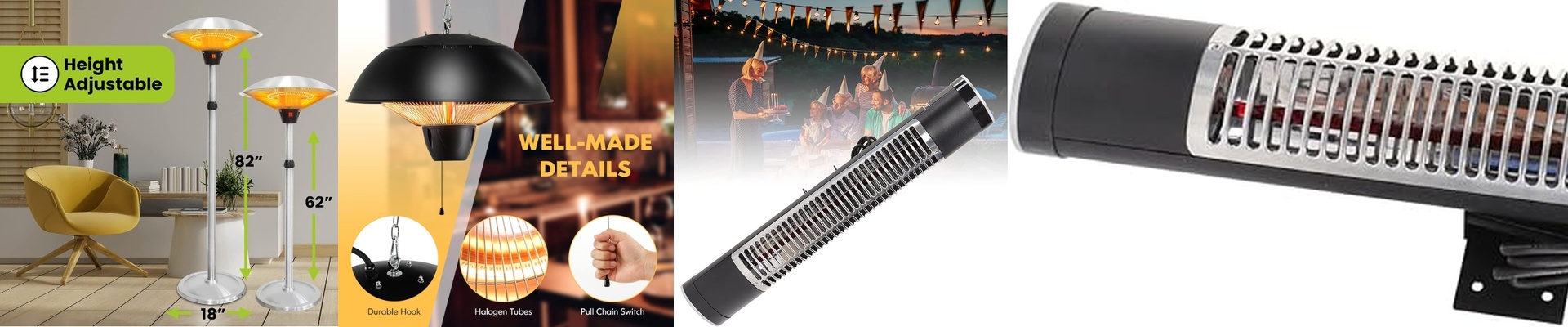
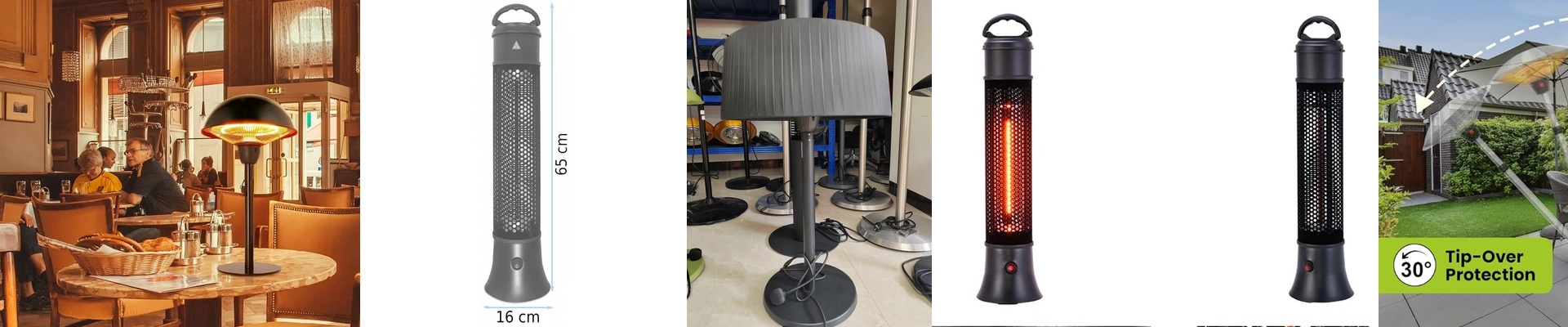

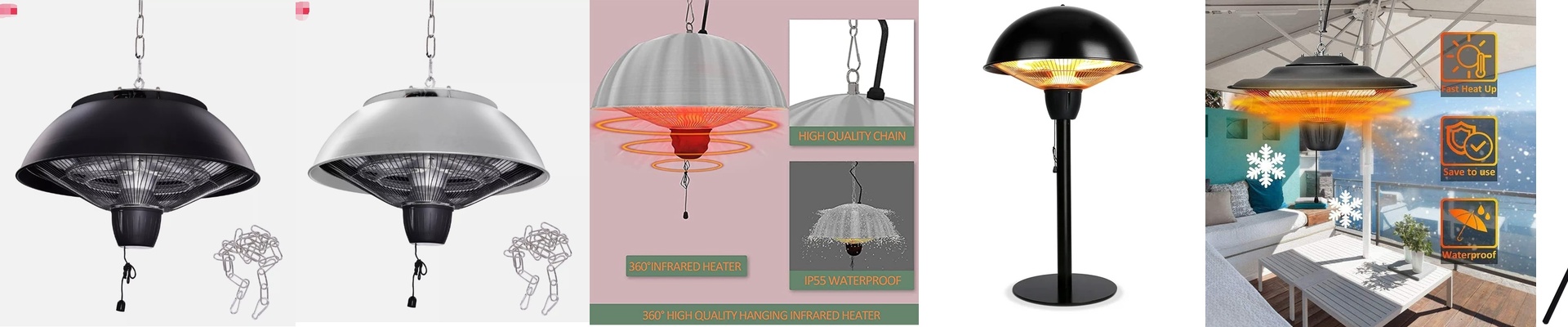

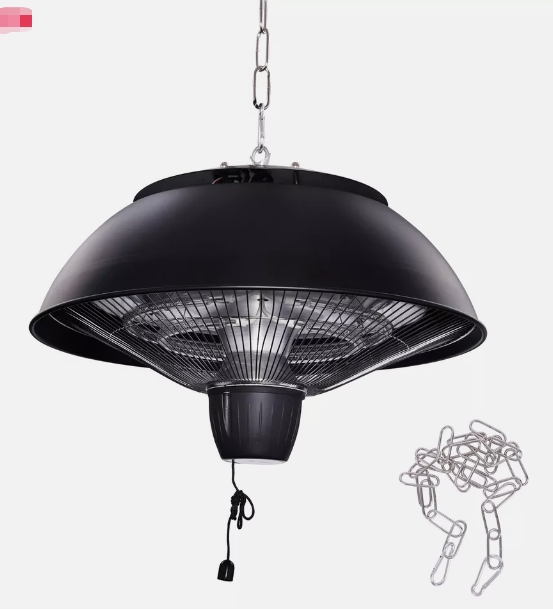
Cool evenings outside and chilly workshops have a way of eating into the time you actually want to spend in those spaces. The air gets sharp, comfort disappears, and suddenly the job—or the relaxation—feels like a chore. We built our energy-saving electric infrared heater to keep those areas usable, without the noise, the fumes, or the running costs that get away from you with traditional heaters. And we back it up: if this infrared heater doesn’t deliver warmth on par with other top brands at the same price, we’ll refund you in full. That’s the confidence we put into every unit.
What actually matters, technically
Infrared warmth doesn’t work like a forced-air heater. It radiates heat directly to people and objects—more like standing in a patch of sun on a cool afternoon. Inside, a high-efficiency quartz tube element delivers focused infrared energy, warming you on contact. You get comfort fast, and you waste less energy heating air that just drifts away. No waiting around for it to warm up, and no fan noise. A built-in thermostat helps keep the feel consistent, and the safety basics are covered with tip-over protection and overheat protection. For outdoor use, the enclosure has an IP rating for damp conditions, and it’s designed for standard household voltage—plug it in, place it where you need it, and run it.
Where this approach really earns its keep
This heater is at its best when you need localized heat without turning the whole area into a hot box. On the patio, it makes dinner under the stars feel doable, not like a race against the cold. In the workshop, it keeps hands steady and joints loose when the temperature drops—so comfort and output stay up. Because infrared targets the surfaces that matter—your body, your chair, your workbench—you feel warm sooner, and you can keep the rest of the space cooler. That focus is exactly why energy use stays down while comfort stays up.
A few practical notes
Infrared is most effective at short to medium distances, so placement matters. Point the heater where people gather, and keep the path clear so the warmth reaches you. If you’re heating a larger space, one unit may not be enough—plan for even coverage. And while the heater is built for outdoor and covered areas, it’s not meant for constant heavy rain or standing water. Keep it under cover, and use a grounded outlet rated for the wattage. That small bit of attention up front pays back steady comfort, lower energy draw, and years of reliable warmth.