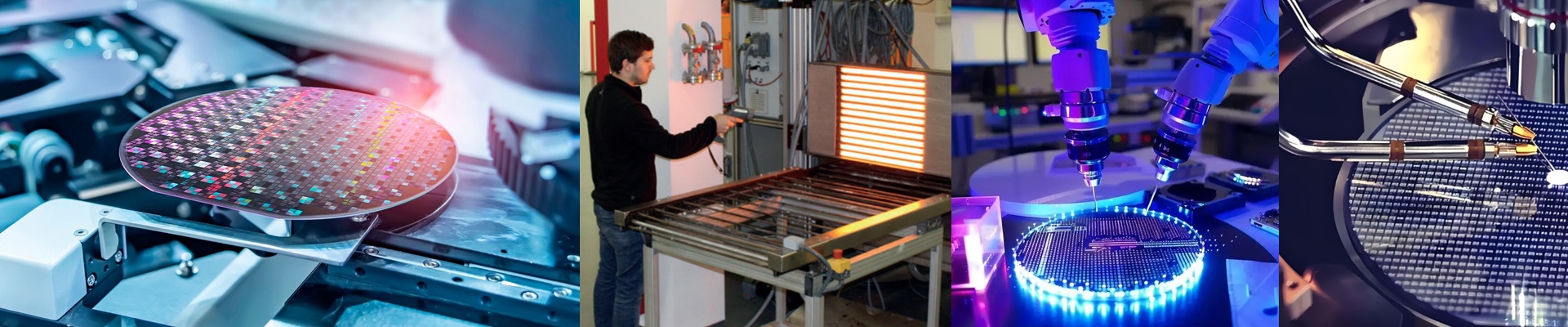
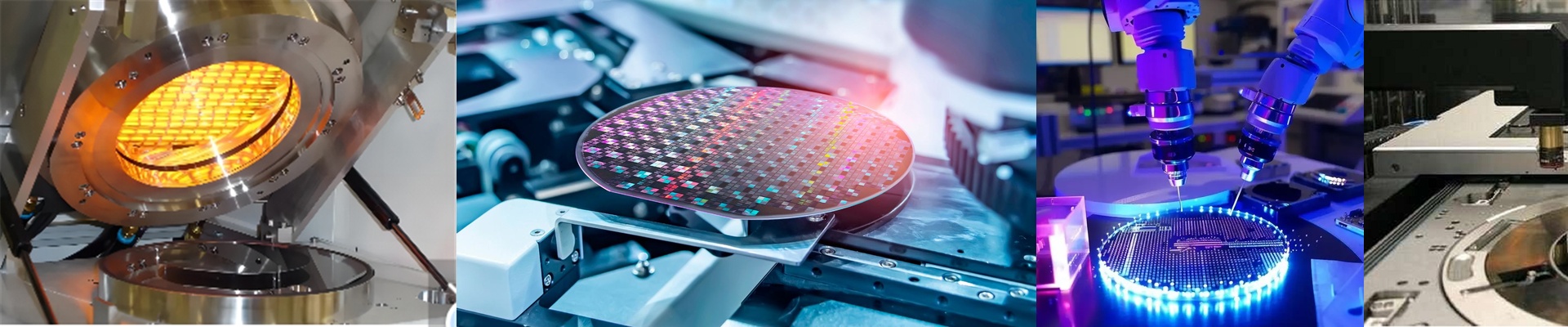
On the fab floor, the bake step isn’t a pause—it’s a hard boundary in the flow. Soft bake and hard bake set the tone for critical dimension control, solvent pull-out, and photoresist adhesion. If the hot plate drifts, or the setpoint chases the wafer, yield quietly slips away. That’s exactly where we built the infrared heating modules: temperature isn’t just a reading, it’s a constraint you have to hold.
What matters, technically
We lean on short-wave infrared emitters with fast-response quartz elements. The heat goes right where it’s needed, without cooking the surrounding frame. Wafer-level uniformity holds at ±0.1°C across the process window, so line-width and profile repeat lot after lot. Ramp and soak are managed with closed-loop feedback, keeping the thermal budget consistent for both 150 mm and 200 mm wafers. These modules are built for cleanroom Class 1–100, using low-outgassing materials and a design that keeps particle generation low.
Why it holds up in a real track
In lithography tracks, the module drops into the bake stations without fighting the robotics. You get consistent photoresist behavior—fewer footing issues, lower defect counts, and less rework. Energy use drops because we’re heating the film, not the chamber. Uptime improves, too: the system runs 24/7 with predictable maintenance, so you don’t get surprise stops that stall the line.
What you need to plan for
Installation comes down to matching the mechanical envelope and the interface connectors to your specific track or coater. Expect a short commissioning window to dial in ramp rates and keep overshoot in check for your resist stack. The emitters have a long life, but they aren’t forever—schedule replacements during preventive maintenance so temperature repeatability never takes a hit.