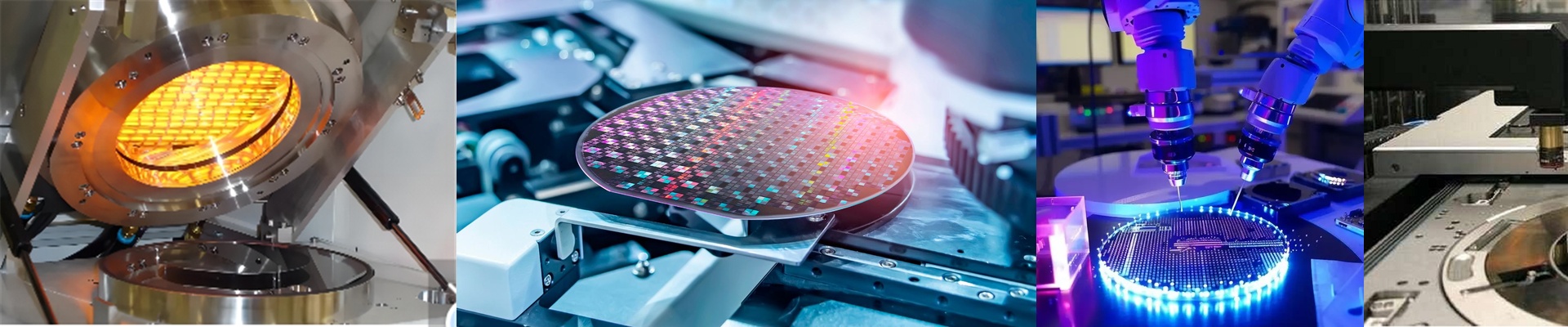
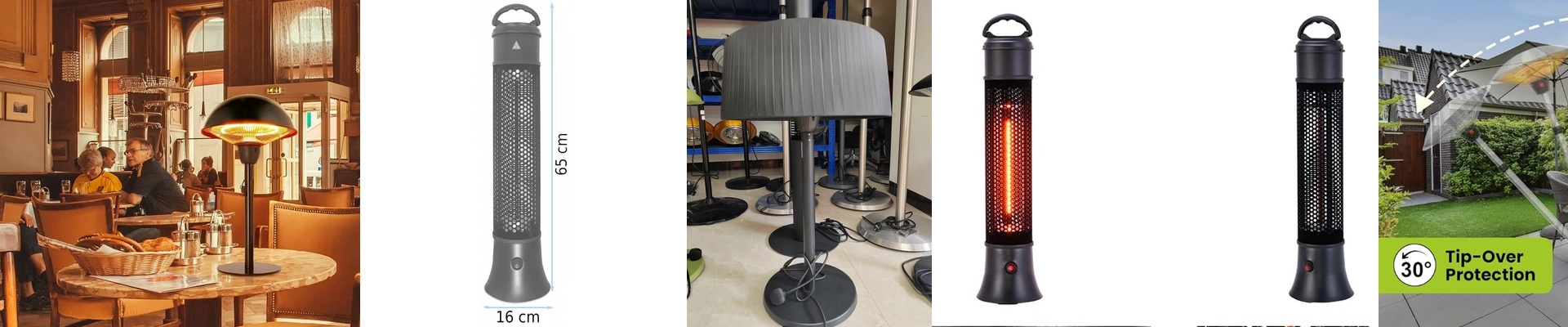
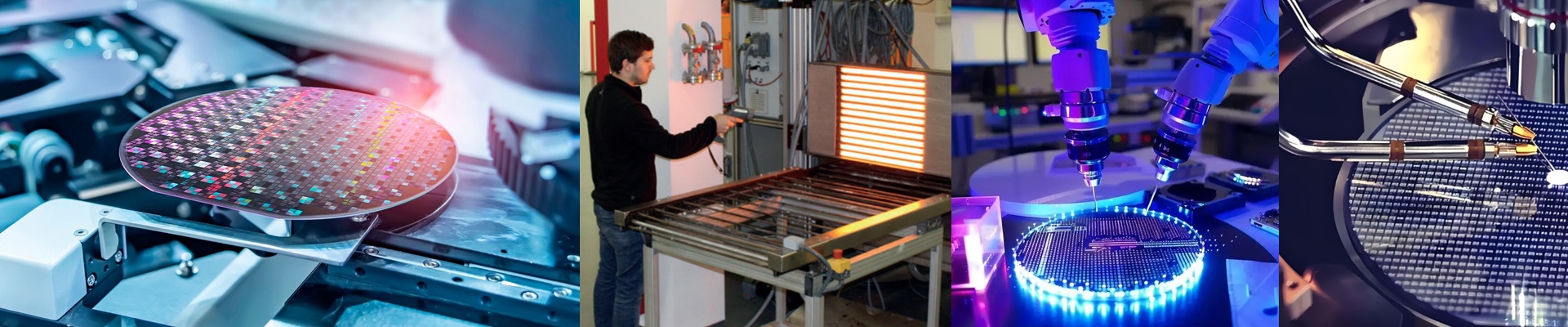
On the rinse line, water marks and resist profile drift aren’t theoretical—they kill the lot. We built waterproof infrared lamps to take that uncertainty out of wafer drying and the thermal steps that come right after. What matters under the hood We run short-wave infrared emitters in a sealed, wash-down housing. It’s line-of-sight, contact-free heating that hits fast. You get wafer-level uniformity within ±0.1°C across the process window, so soft bake and hard bake profiles on photoresist stay repeatable. Temperature ramps are short and controlled, which preserves thermal budget while the solvents drive off cleanly. The lamp head sits comfortably in Class 1–100 cleanrooms and is built to generate zero particles—no outgassing, no flaking, no contamination along the wafer path. Why it sticks in production During the rinse-to-dry handoff, infrared heats the wafer surface directly, breaking surface tension and speeding evaporation so droplets don’t get a chance to form. That means fewer water marks, lower defect density, and a higher first-pass yield. In lithography, that same controlled thermal response keeps your soft bake temperature consistent and your hard bake cure repeatable. You get better critical dimension control and more stable sidewall profiles. The system holds steady on the line; units have run 5,000+ hours with less than 5% output drop, so you see fewer surprises and fewer lamp changes. And because the energy goes straight to the wafer, not the chamber, you’re using less than you would with convection ovens. The details that make it work Installation comes down to matching the lamp to the track geometry and the rinse module footprint, including clearance for nozzles and spin bowls. The waterproof seal and protective window are tough, but solvents and aggressive cleaning chemistries will still eat into service life. Plan replacement intervals and verify chemical compatibility with your wet bench. Match the emitter spectrum and power density to your photoresist stack. Push too much heat too fast, and you can skin the resist and trap solvent.