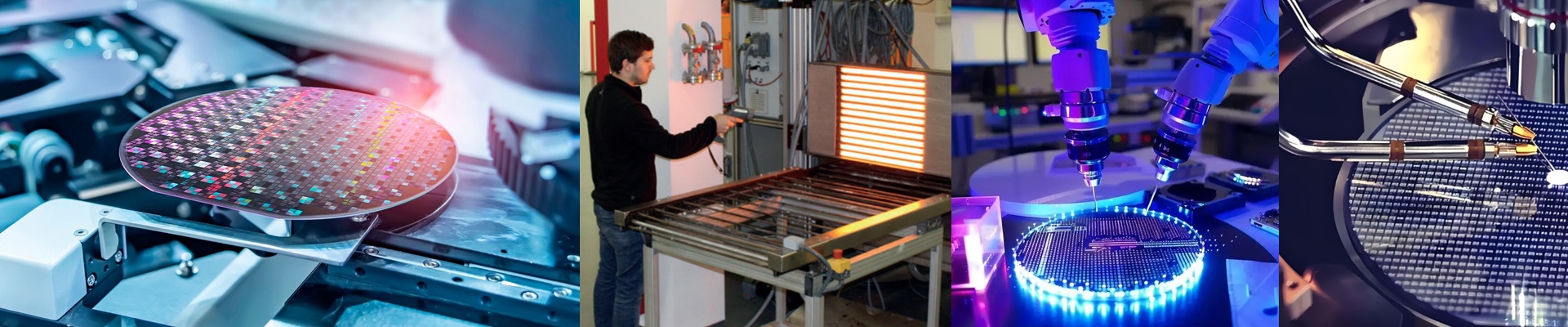

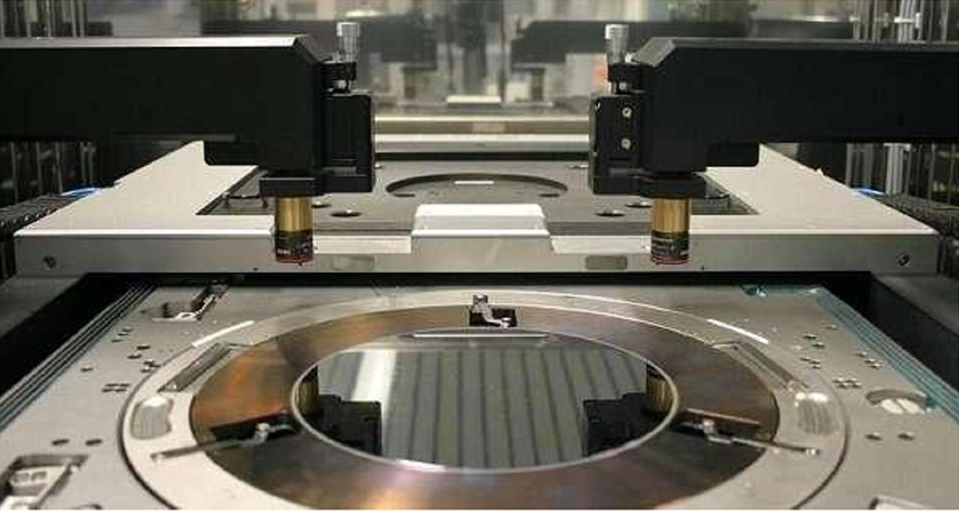
On the wafer floor, the drying step before lithography can set your yield tone, and not in a subtle way. Photoresist residues, water marks, edge bead issues—most of the time you can trace them back to plate temperature drift, sluggish ramp control, or particles shedding from the tool itself. We built the Lab-on-a-Chip Drying Heater to take those variables off the table. What matters under the hood The unit leans on short-wave infrared elements with a quartz-enhanced thermal design, so you get wafer-level uniformity of ±0.1°C across the active area. Temperature repeatability sits at ±0.2°C from batch to batch, which keeps soft bake and hard bake profiles consistent—exactly what you need for critical photoresist work. It’s compatible with cleanroom Class 1–100, thanks to low-outgassing materials, sealed junctions, and a zero-particle emission architecture that holds particle counts steady during operation. In our pilot lines, the heater runs 24/7 with zero unplanned downtime, and the energy draw is tuned to match the thermal budget of lab-on-a-chip substrates without overshoot. Why it fits the fab reality In lab-on-a-chip fabrication, the drying window is tight: you need fast dehydration, tight temperature control, and a process that doesn’t add contamination. This tool swaps out legacy hot plates and older IR systems with a verified, drop-in solution that lines up with international semiconductor equipment standards. The payoff is predictable: tighter critical dimension control, fewer reworks, and cycle times you can bank on. When temperature excursions disappear, process windows open up, and adhesion defects from under-bake or over-bake drop off. The practical details you’ll want to sort Installation calls for a dedicated 24 VDC supply with clean grounding—plan the isolation up front if you have EMI-sensitive instruments nearby. The heater hits setpoint fast, but thermal mass varies by substrate, so validate the ramp rate against your specific chip stack. We provide standard interfaces for integration, though non-standard carriers usually mean custom fixtures. Do that one-time setup right, and you’ll get repeatable performance with fewer yield surprises down the line.