

Staying Warm in Damp Spaces
If you’ve ever tried to heat a changing room or an outdoor transition area, you know the struggle. You aren’t just fighting the cold; you’re fighting a constant battle against humidity and damp air. That’s where shortwave infrared comes in. Most heaters just try to warm up the air. But in a drafty room, that warm air just floats away or gets blown out the door. Our units work differently. They beam heat directly onto your skin and the surfaces around you. It’s why you feel that instant “ahhh” moment the second you step into the room, even if the air itself is still chilly.
How it actually works
We use high-wattage quartz elements to make this happen. Think of it like the sun. The heat doesn’t need a “medium” to travel through—it just beams across the space. This is a huge deal for drafty areas. Since the heat isn’t floating in the air, a gust of wind can’t just blow your warmth away. You get the heat immediately. No waiting around for the room to “warm up.”
Dealing with the moisture
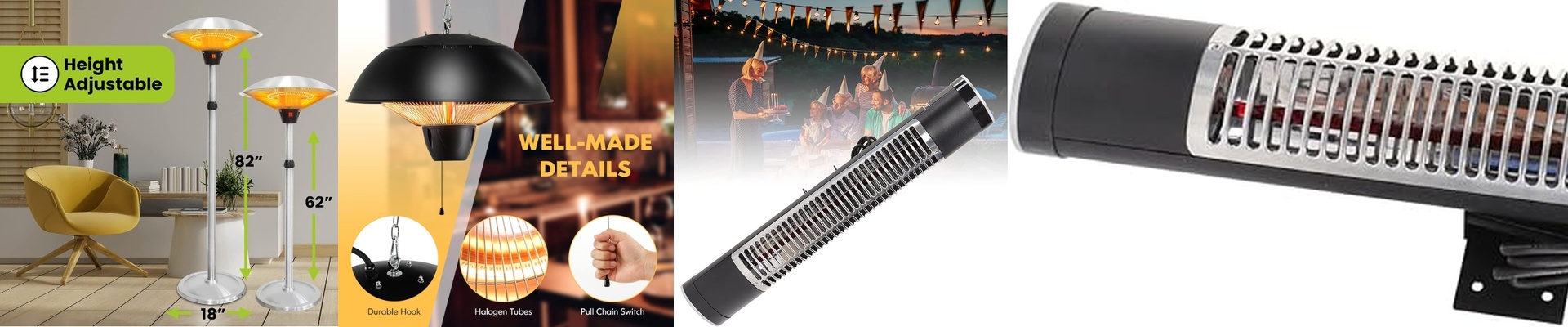
When things get damp, you can’t just slap a plastic cover on a heater and call it a day. That’s not how real waterproofing works. We spend a lot of time sealing the electrical junctions so you don’t have to worry about short circuits when the humidity spikes. We also use specific alloys for the reflectors so they don’t pit or corrode over time. There’s a tricky balance here, though. If you seal a unit too tight to keep water out, you can actually trap heat inside and fry the wiring. To fix that, we use high-temp silicone gaskets. They keep the water out but let the unit breathe, so it doesn’t melt its own seals when it’s running full tilt.
A few tips for the install
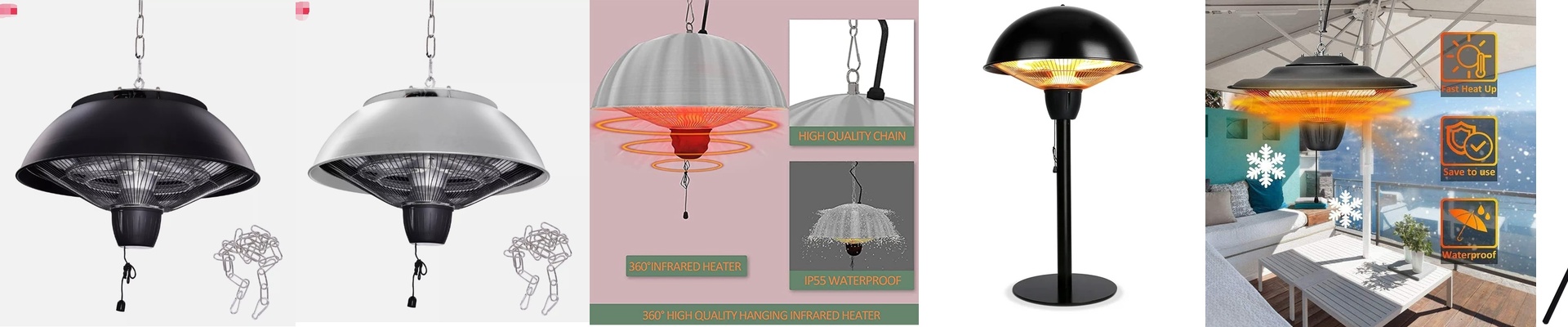
These things pack a lot of punch into a tiny package, which is great because they replace those clunky, old-school radiators. But a word of caution:watch your mounting height. Because shortwave IR is so intense, hanging them too low creates “hot spots.” Nobody likes feeling like they’re standing too close to a campfire while trying to get dressed. One last thing—give these their own dedicated circuit. They pull a lot of current the moment they kick on, and if your breakers are under-spec’d, they’ll trip. Just double-check your electrical panel’s total wattage before you flip the switch.