
The Reality of Outdoor Heating
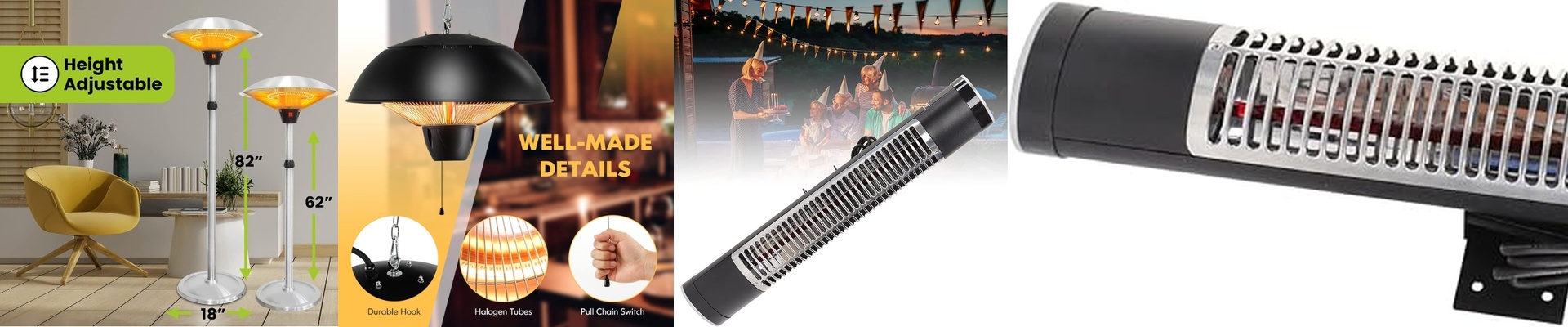
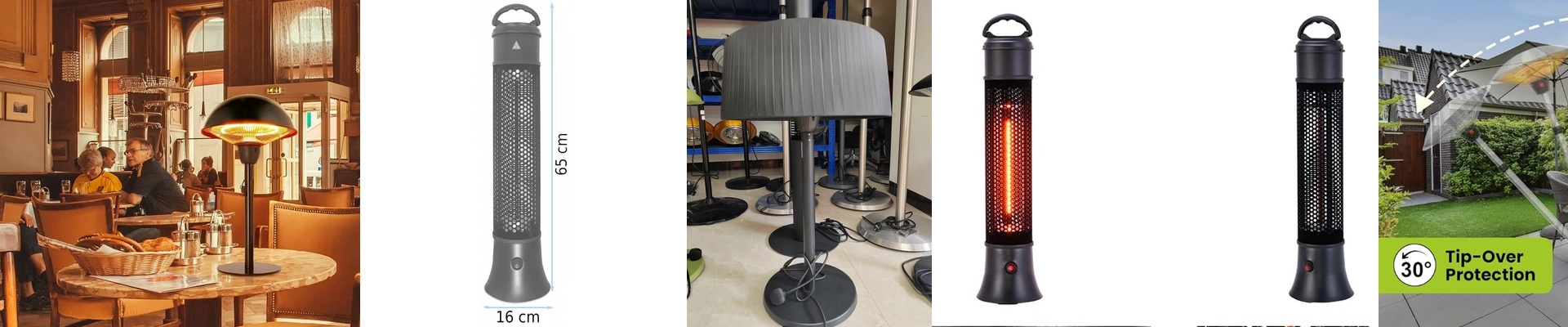
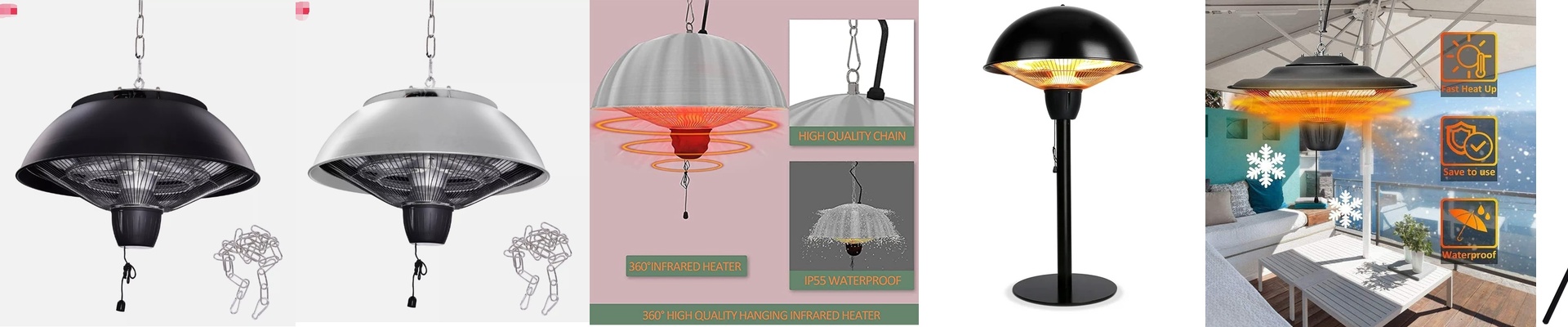
Let’s talk about outdoor heating. The kind that actually survives the real world. We make infrared heaters built for outdoor and bathroom use because regular heaters just give up when things get wet. These units are meant to take a beating—rain, steam, sudden temperature swings. But an IP rating on a sticker isn’t enough. So we put every single unit through brutal hot and humid aging tests to make sure the seals and parts inside stay strong, year after year.
Power, plain and simple
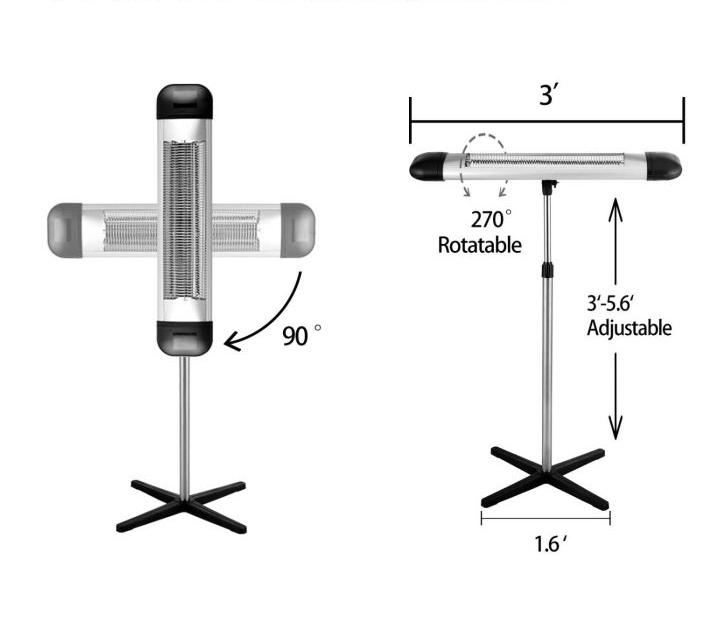
Our heaters lean on a shortwave infrared halogen tube, usually around 2500W. That power gives you fast, focused heat—warming the exact spot you need without wasting energy on the whole room. It runs at 400V, a standard industrial voltage that makes long wire runs possible with less voltage drop. And the tube is 300mm long—compact enough to fit tight spots, but long enough to spread heat comfortably.
Why the materials matter
The core is a quartz tube. Why? Because it stays steady when the temperature jumps around, and it can handle being switched on and off quickly without cracking. Inside, the halogen element keeps output steady over time. No dimming like you get with cheaper filaments. Then there’s the R7s connector. It’s a workhorse—simple to wire, secure, and it stays connected even when things vibrate. And that IP65 sealing? It’s not just a gasket. The whole design blocks water jets from any direction.
Where it shines—and what to watch for
These heaters live in bathrooms, outdoor entryways, and semi-exposed industrial spots. With IP65 protection, you can install them right where the water hits, no extra enclosure needed. But packing 2500W into a 300mm tube creates serious local heat. That means you need proper thermal management nearby. The cooling setup and mounting hardware have to be chosen to handle the rise in ambient temperature. Our aging tests confirm the seals and electronics can take that cycle. So the heater you put in today will still do its job in two years.
The test that earns our confidence
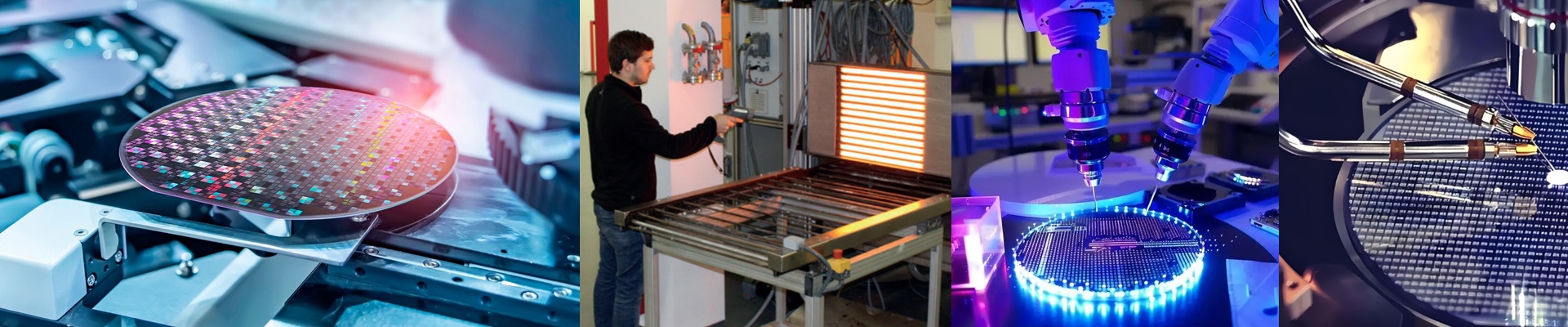
We run the hot and humid aging test to find weak spots before any unit leaves the factory. It’s the only way to make sure an IP65 heater is truly ready for real-life conditions. Inside the aging chamber, the heaters run continuously at high humidity and high temperature. We watch output stability, check for condensation inside the tube, and make sure the connectors stay solid. A heater that passes this test earns its stripes. It’s ready to be a reliable, drop-in solution for demanding outdoor and bathroom applications. That’s how we stand behind what we build.