



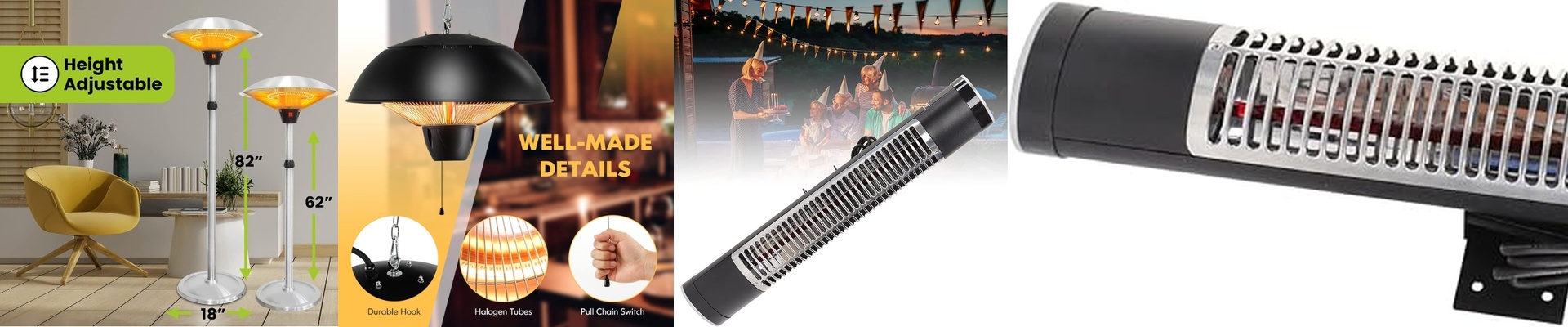
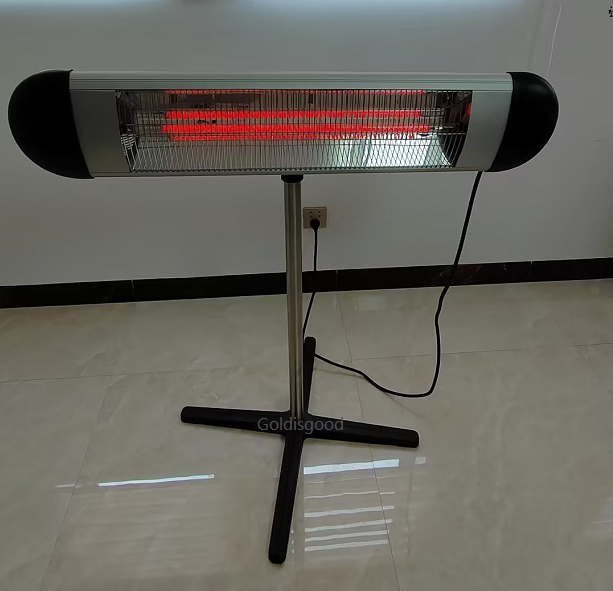
When the cold settles in, the shop doesn’t stop for comfort. If the heat can’t keep pace, tools get clumsy, materials cool off, and the day cuts short. Matching an infrared heater to your space isn’t guesswork—it’s a straightforward, practical calculation.
What matters, technically
Industrial infrared heaters throw radiant warmth in straight lines, heating people and objects directly instead of trying to warm the air. With a fan heater setup, a quiet, high-volume impeller pulls air across a hot element and pushes it out, spreading warmth across the floor and lower body. For industrial spaces, the numbers you live by are wattage, voltage, and airflow. A 120V unit plugs into a standard outlet; a 240V unit pulls heavier power for larger areas. Wattage tells you output—think of it as the heater’s pace. Airflow, measured in CFM, determines how far the heat reaches and how quickly it turns over air in a drafty bay.
Why this approach works
Start with your room’s orientation and insulation. South-facing bays with big windows bleed heat fast; north walls with solid insulation hold onto it. Here’s a sizing rule that holds up on the floor: for a well-insulated workshop, plan about 10 watts per square foot. For average insulation, aim for 15 watts per square foot. For drafty, exposed spaces, 20 watts per square foot keeps work moving. This method pairs the right infrared power to your space, so you get warmth where you need it, when you need it—without oversizing and wasting energy.
What you need to know
Installation is straightforward, but placement is where you earn your pay. Keep the heater 6–8 feet above the floor, away from combustibles, and clear of work paths. Confirm the voltage and plug type match your outlet; hardwired models give you stability when the unit runs hard every day. Most units include a thermostat for steady comfort, and many carry an IP rating for dust and moisture resistance. One practical note: radiant-dominant heaters warm surfaces first, so air near the floor can feel cooler until the fan circulates it—position the unit to cover the primary work zone.