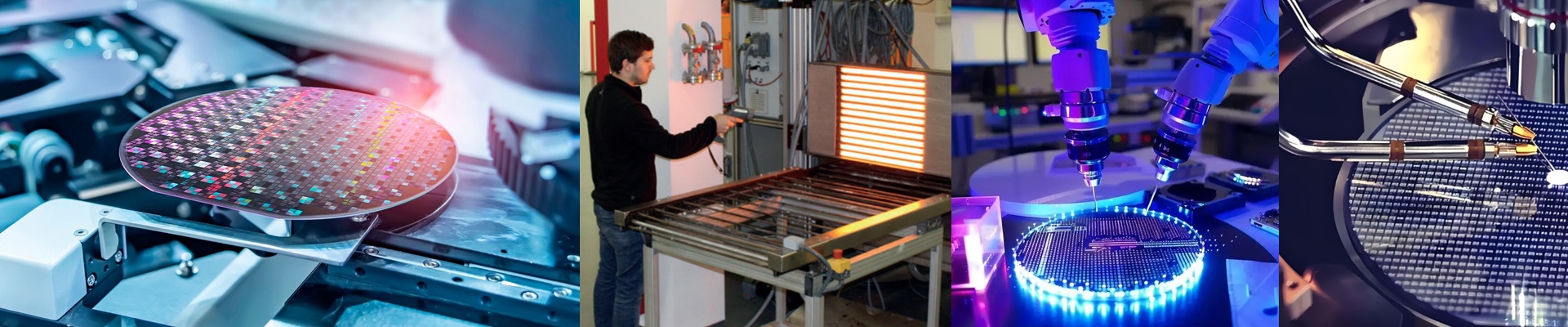
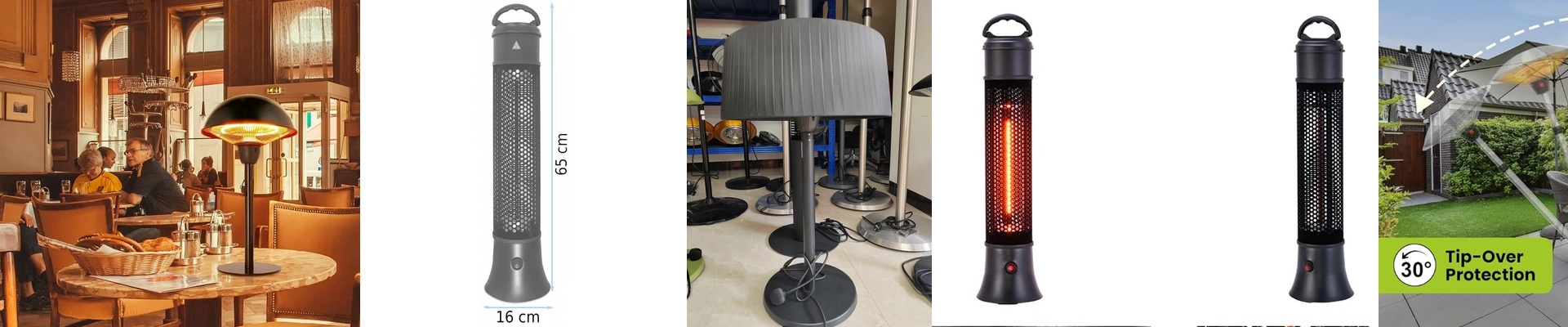
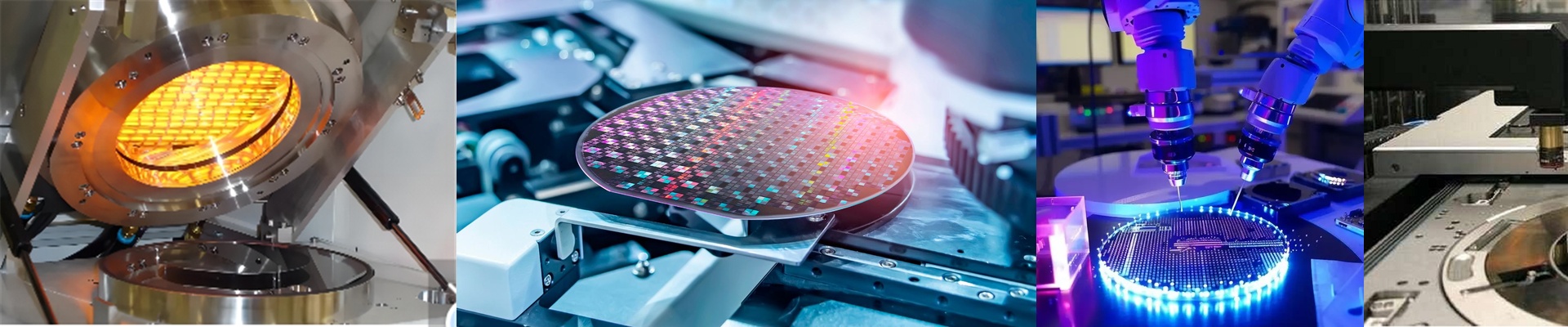
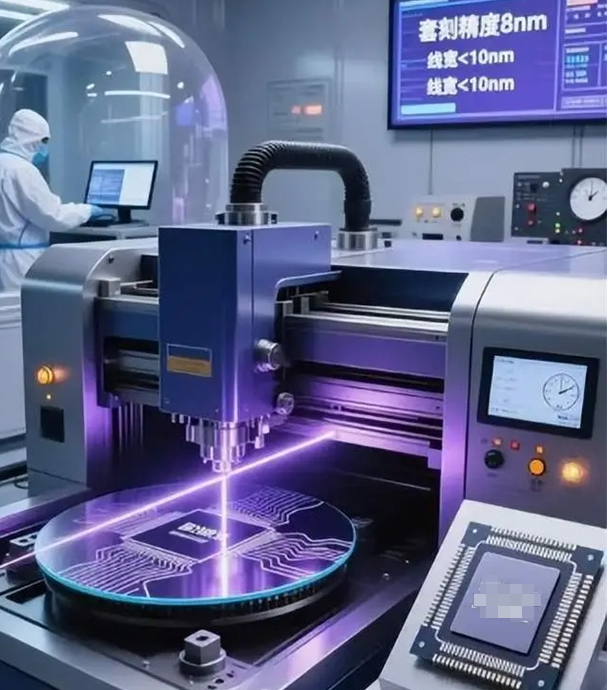
On the fab floor, photoresist bake isn’t a warm-up. It’s a process anchor. A 2°C swing during soft bake will spread critical dimension variation across the wafer. We built our precision infrared heater to keep the thermal line where it matters. What matters, technically We run short-wave NIR sources with fast, direct radiative coupling. Response is sub-second, and wafer-level uniformity holds within ±0.1°C. The heater body is quartz and high-purity ceramic, with zero outgassing and zero particle generation, so you stay inside cleanroom Class 1–100. Cycle-to-cycle temperature repeatability is ±0.5°C, so every soft bake and hard bake lands on the same thermal budget. Closed-loop control uses calibrated pyrometers and a stable SSR, which kills hot spots at the edge of the pattern field. Why it holds up in a real track In lithography tracks, the heater drops straight into the bake plate. It matches the substrate temperature profile without overshoot, so critical dimension control stays consistent. You see fewer rework lots and more predictable yield. Energy use drops because the energy goes into the wafer, not the module around it. And uptime is what reliability comes down to—these units run 24/7 with no unplanned downtime, and service intervals stretch beyond 5,000 hours. What you need to get right The heater needs a clean, dry gas supply and stable line voltage. A voltage sag will cause transient temperature drift, and that shows up as overlay error. Installation tolerances are tight—alignment to the wafer pocket has to be within 0.5 mm to preserve uniformity. Specify the right wattage and aperture for your wafer size and bake recipe; a mismatch will cost you repeatability.