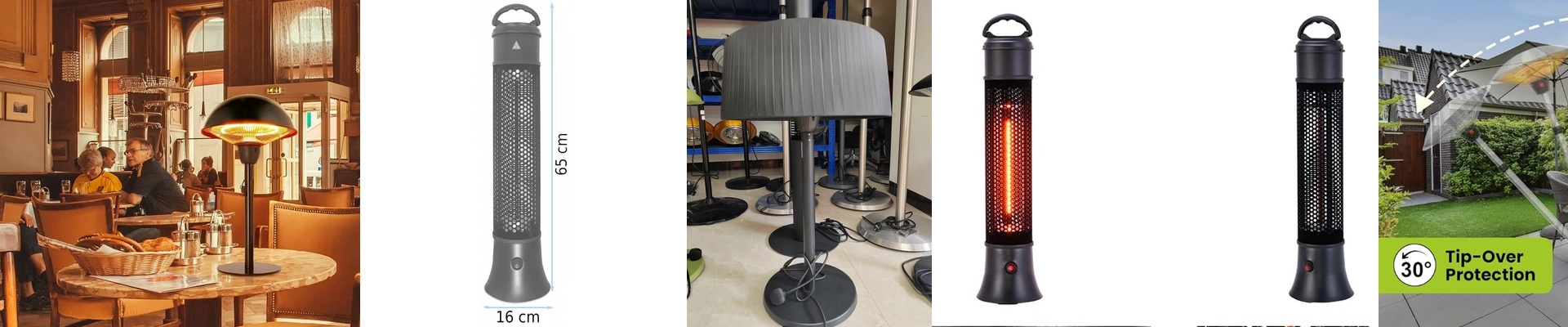
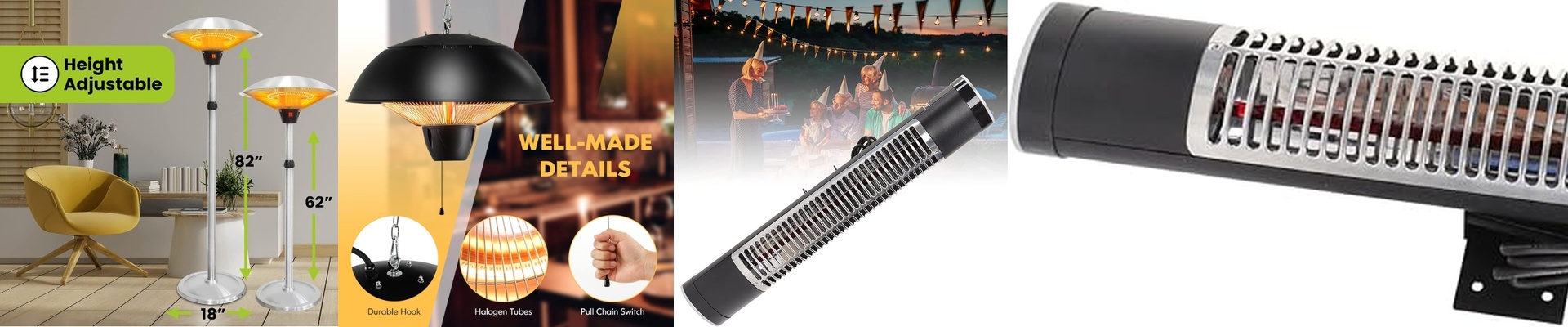
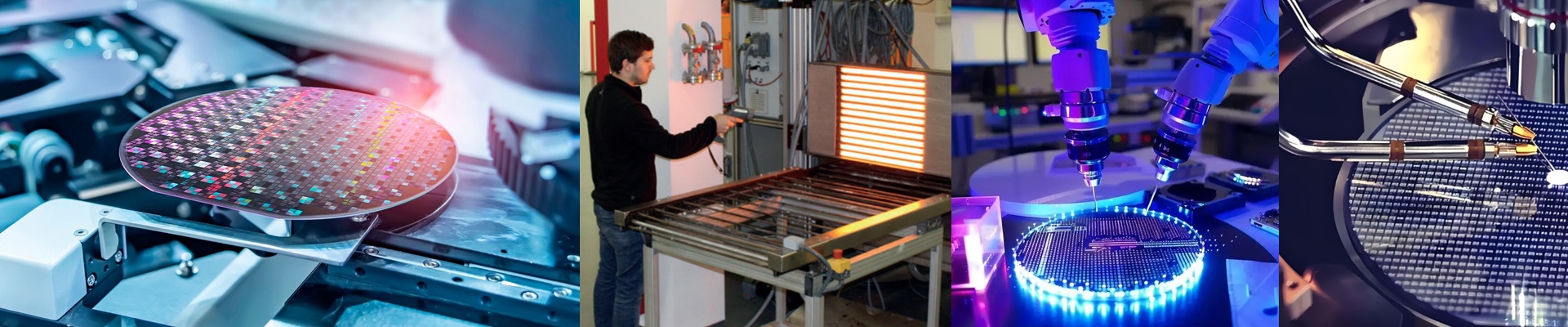
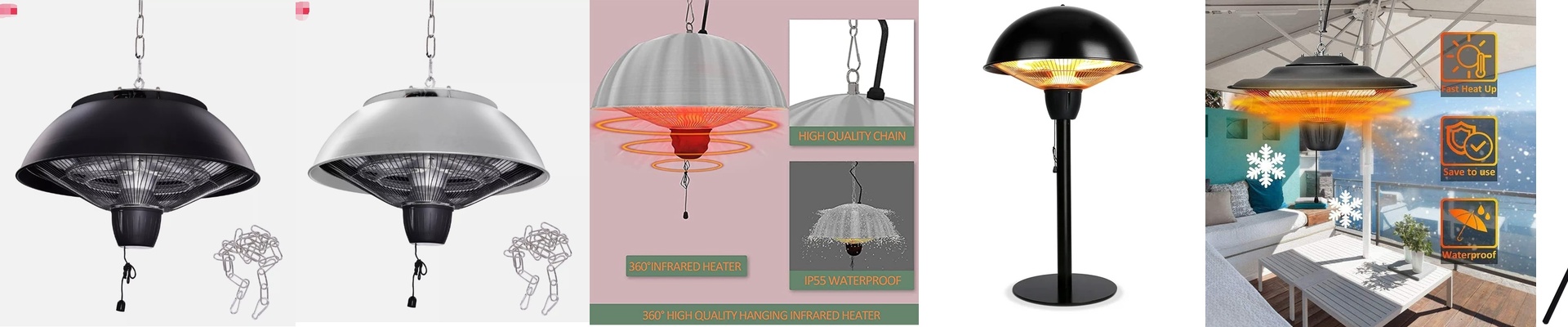
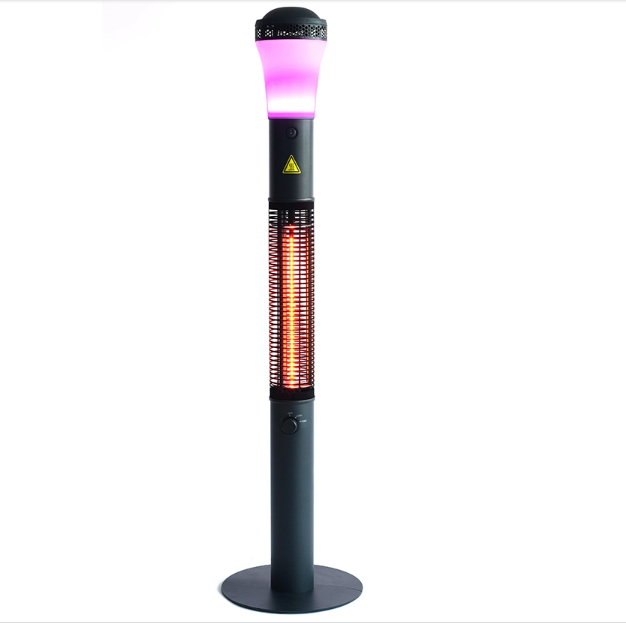
A cold wind turns a coffee break into a quick dash and makes a train wait feel much longer. In commercial and transit hubs, comfort isn’t a luxury—it keeps people seated longer, moving calmly, and coming back. We built a WiFi electric heater to meet that need with immediate infrared warmth, without forcing you to reheat the entire space. What matters under the hood Our WiFi electric heater uses short-wave infrared elements to deliver radiant heat that warms people and objects directly, not the air. You feel the heat within seconds, even near open doors. It runs on standard 220–240V outlets, with power options matched to common commercial loads. Built-in WiFi gives you on/off control, scheduling, and zone settings from a phone, so you can adjust output by time of day and foot traffic. For safety, it includes tip-over protection and an overheat cutoff, and the outer housing stays cool to the touch. Why it fits these spaces Cafés, waiting areas, ticket lines, and covered platforms all have the same headache: doors open, wind rushes in, and comfort drains away. Infrared warmth stays effective even when air movement is constant, so guests feel steady heat without drafts. WiFi control lets staff dial up the heat during rushes and back it down during quiet hours—better comfort without wasted energy. The heater is compact, wall-mountable, and focused in coverage, so you can add warmth where it’s needed—near seating, at entry points, and along queues—without overhauling the main HVAC. The practical details Infrared heat is directional, so placement matters. Mount at 2–2.5 meters and aim toward seating or circulation paths, with enough overlap to avoid cold spots. Because it warms by line-of-sight, objects in the beam absorb heat first—ideal for people and furniture—while the surrounding air may stay cooler. For best results, pair the heater with a thermostat and use the WiFi schedule to keep temperature steady, and confirm local electrical codes for the chosen model and circuit.