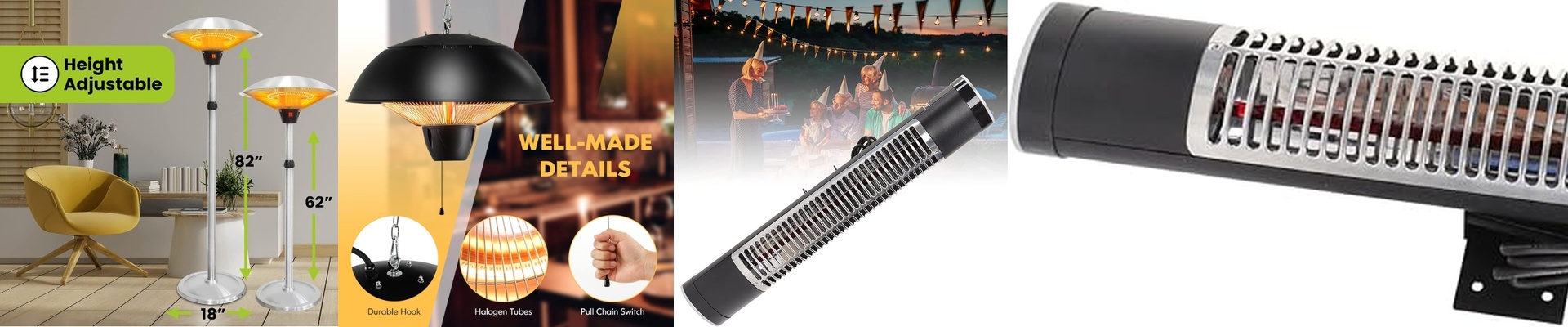
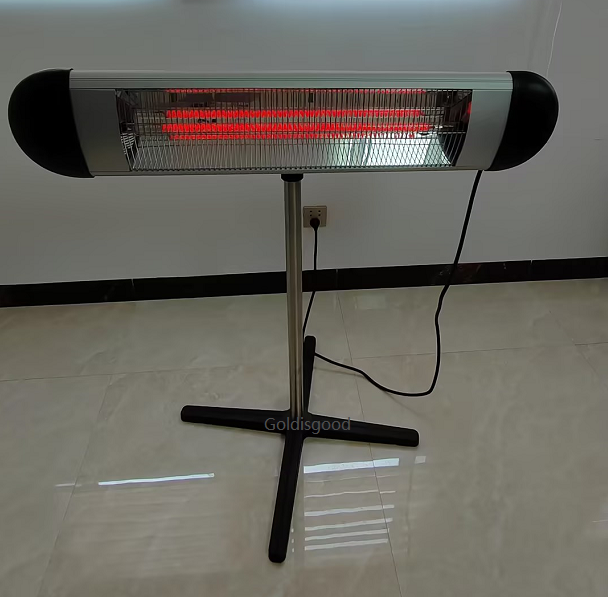
Why Most Outdoor Heaters Die (And How We Fixed It)
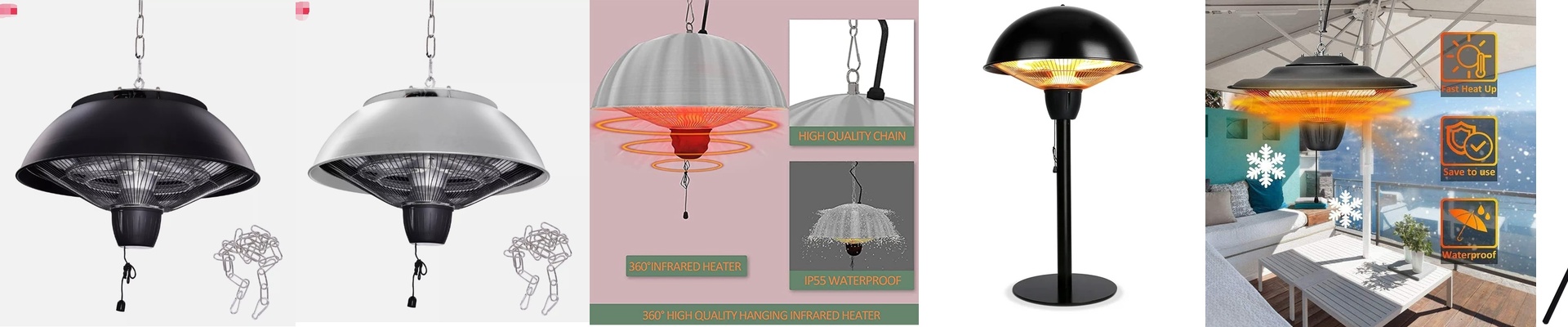
If you’ve ever installed an outdoor heater, you know the heartbreak. Everything is great for a season, and then—boom. A short circuit, a burnt-out filament, or just a sudden refusal to turn on. Usually, it’s because of one thing: moisture. Water is the enemy here. Whether it’s a sudden downpour or just that creeping humidity, once water hits a red-hot infrared element or leaks into the wiring, it’s game over. That’s why we build our heaters to the IP66 standard.
The “Secret Sauce” of IP66
Now, IP66 sounds like a boring technical code, but in the real world, it just means the thing is dust-tight and can handle a blast of water without flinching. We use heavy-duty gaskets and sealed cable entries to keep the bad stuff out. But it’s not just about the rain. Think about those wild temperature swings we get outdoors. That causes condensation to build up inside the chassis. If that moisture settles on the heating element while it’s running? The quartz glass can actually crack from the thermal shock. By keeping the inside bone-dry, the lamps just last longer. Simple as that.
The Hardware
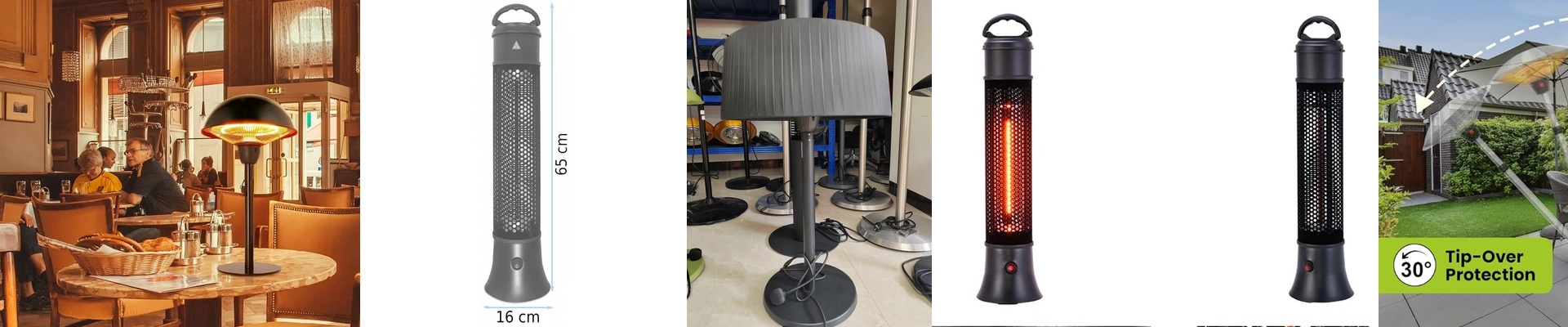
We went with shortwave infrared technology. Why? Because it cuts through the open air way better than other types of heat. You actually feel it. As for the body, we use corrosion-resistant alloys. If you live near the ocean or in a humid climate, you know how salt air eats through metal. This stuff doesn’t. And we skipped the cheap plastic seals. Those warp the second they get hot. Instead, we use silicone gaskets that stay flexible and tight, no matter how many times you flip the switch.
A Few Things to Keep in Mind
Here’s the trade-off: because the unit is so tightly sealed, it traps heat more than those open-frame heaters you see. If you’re tucking these into a tight soffit or a small enclosed patio, you’ve got to make sure there’s some breathing room. If the air doesn’t move, heat builds up around the wiring, and that can wear down your insulation over time. One last tip: please, wire these into a dedicated circuit with a proper GFCI breaker. We’ve made the heater a fortress, but the external wiring is still on you. Keep it shielded, keep it safe, and you’ll be set for years.