Making Recessed Infrared Heaters Actually “Smart”
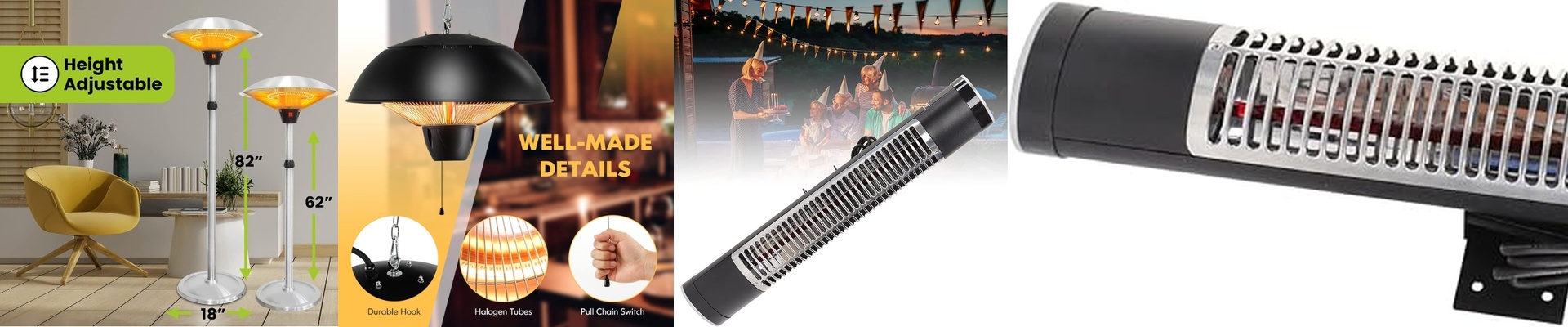
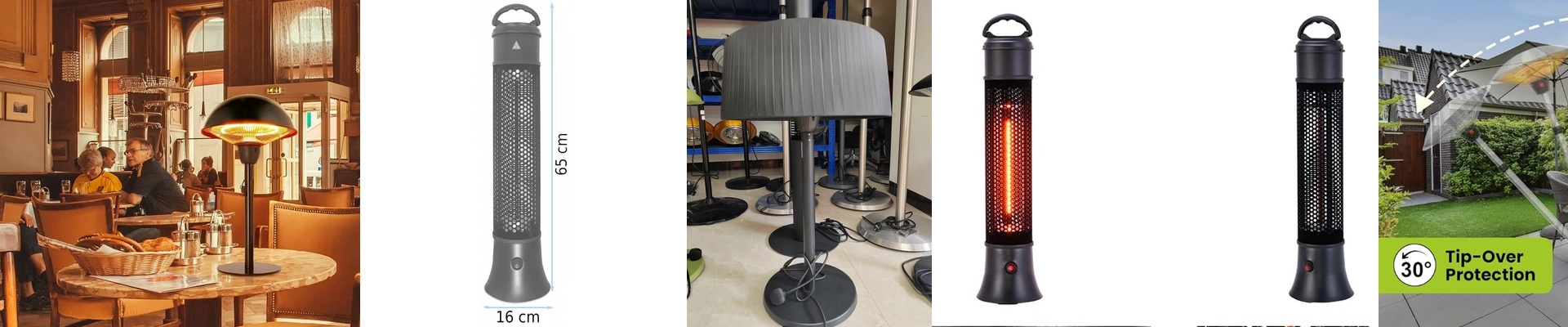
Most heaters work by warming up the air, which takes forever. Infrared is different. It sends heat straight to you—and the furniture—without bothering with the air in between. When you hook these up to a smart home system, the whole point is to kill that annoying wait time you get with a standard HVAC.
Getting the Gear to Talk
To get these heaters playing nice with a smart hub, you can’t just plug them in. You’ll need a solid relay or a TRIAC dimmer to handle the power. I usually wire them through a smart switch or an IoT controller that can handle a heavy electrical load. The best part? There’s no “warm-up” period. You hit the switch, the filament glows, and you feel the heat on your skin immediately. It’s basically instant.
That “Instant Spring” Feeling
It’s all about the physics. Because these use quartz or halogen elements, they don’t need a heat exchanger to do the heavy lifting. Imagine walking through your front door and your “Welcome Home” scene kicks in. Instead of waiting for the whole room to slowly warm up, the heaters just target you. It feels like stepping into sunlight. Plus, you aren’t wasting money heating the ceiling or fighting drafts from the walls.
The Catch (And How to Fix It)
It’s not all plug-and-play. These units pull a lot of power. If you’re putting a few of these in one room, you have to be careful. If you’ve got several 1500W units all firing at once on one circuit, you’re going to trip your breaker the second that smart scene activates. Not a great way to start your evening. Here is my trick: use a distributed power layout. Set up your smart gateway to stagger the heaters, turning them on a few milliseconds apart. It’s a tiny gap, but it stops that massive power spike from hitting your electrical panel all at once. Simple, and it keeps the lights on.