Why Your Bathroom Needs an Infrared Lamp (And No, It’s Not Just for Warmth)
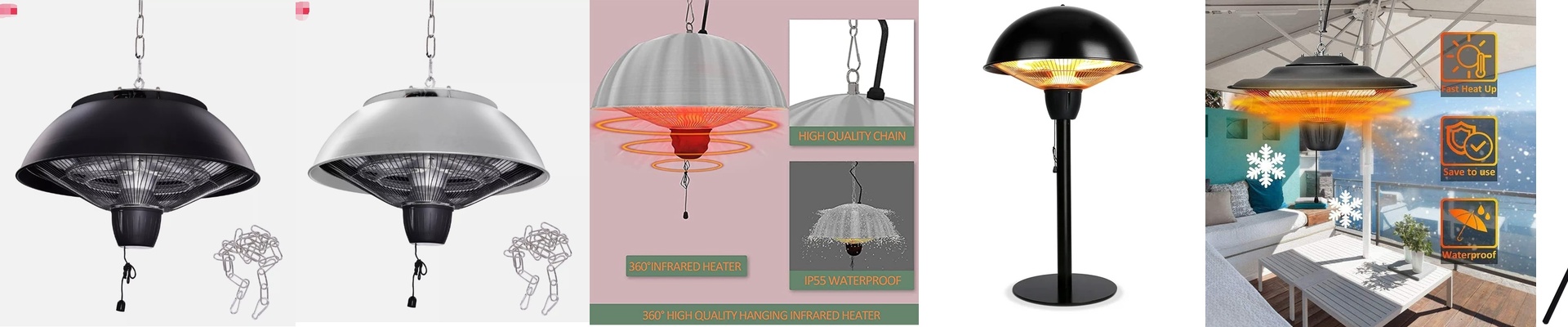
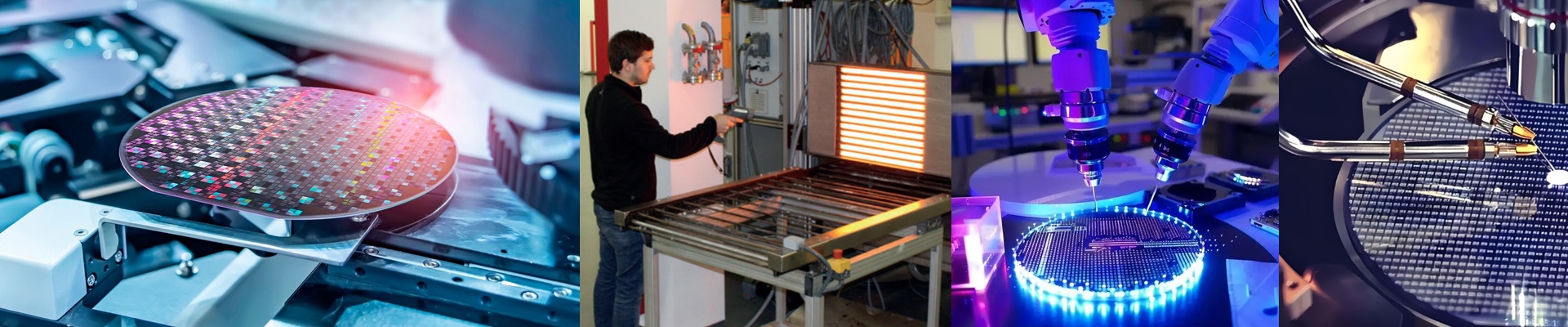
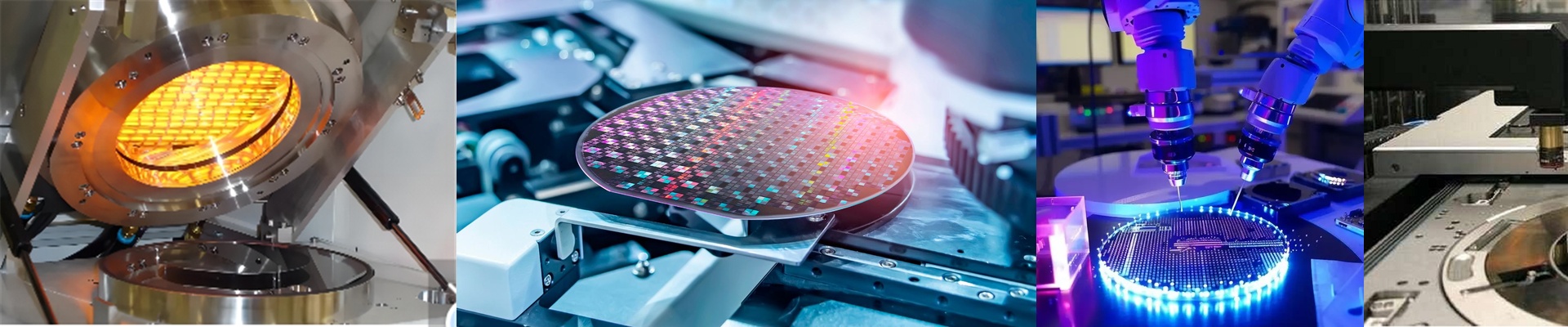
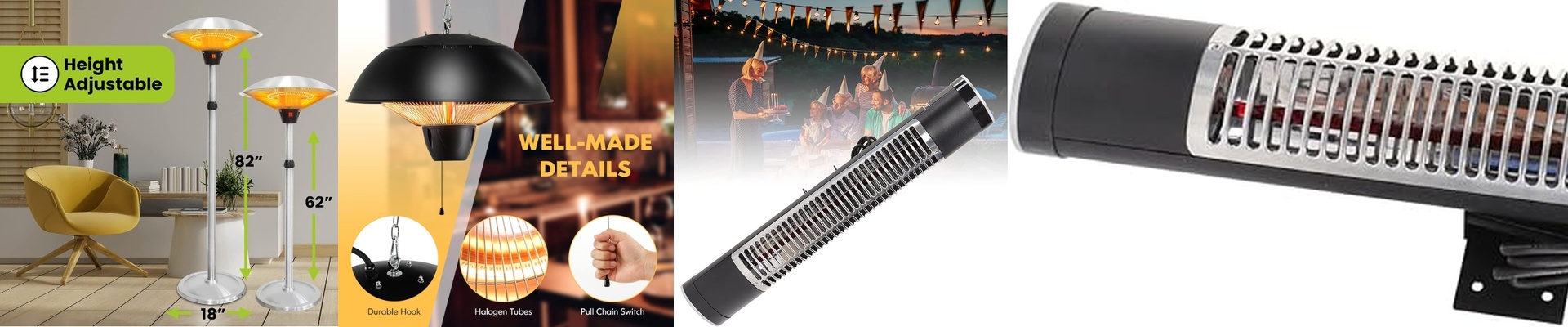
When most people think of an infrared lamp in the bathroom, they think of that cozy, warm feeling on their skin during a cold winter morning. That’s great, but there’s something much more practical happening behind the scenes. We aren’t just trying to heat up the air. We’re actually fighting a war against mold. Here is the secret: these lamps use short-wave infrared rays. Instead of wasting energy warming up the air—which just floats away the second you open the door—these rays go straight for the walls and floors. They heat the tiles and the grout directly. When those surfaces stay warm, moisture can’t settle. No condensation, no standing water, and—best of all—no place for mold to move in and start taking over your grout. To make this actually work, we use high-purity quartz glass. It sounds fancy, but it basically just means the heat gets through without getting blocked. We also pump these units with plenty of wattage. Bathrooms are full of heavy tiles and stone that soak up heat, so you need a fast, powerful start to get things drying quickly. But a quick heads-up on the technical side. These things pull a lot of power when they first kick on. If you’re putting one in the ceiling, just make sure your wiring is up to the task. You don’t want your housing overheating because the wires are too thin. Now, there is a trade-off. Because these lamps pack so much heat into a small spot, they gethot. Really hot. If you mount them too low, you’re risking a nasty burn if you reach up or stand too close. We suggest keeping them at least 2.1 meters high to keep everyone safe. And one last thing: don’t ditch your exhaust fan. The lamp is amazing at drying your walls, but it doesn’t make the water vanish from the room—it just turns it into vapor. You still need a way to push that damp air outside.