
Getting Your Bathroom Heater Wattage Just Right
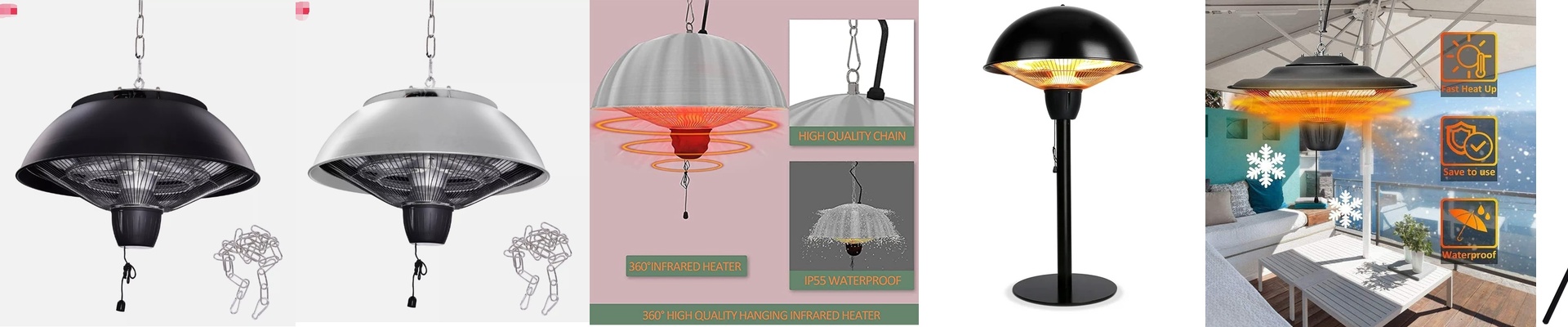
Nobody likes stepping out of a hot shower into a freezing bathroom. It’s the worst part of the morning. But when you’re picking out an infrared heater, there’s a bit of a balancing act. You want it warm, but you don’t want to waste electricity or turn your bathroom into a sauna. First things first: make sure it’sIP65 rated. Bathrooms are humid, steamy, and prone to splashes. That rating basically means the guts of the heater are sealed tight and safe from the moisture.
How much power do you actually need?
Wattage is really just about how fast you want to feel the heat. If you’ve got a tiny powder room (under 4m²), a 400W to 600W lamp is plenty. Seriously, don’t overdo it here. If you put too much power in a small space, you’ll just overheat the room and watch your electric bill climb for no reason. For those mid-sized bathrooms (4m² to 8m²), you’re looking at 800W to 1200W. That’s usually the sweet spot for keeping things cozy. Then you have the big master baths or those fancy open-concept wet rooms. Those need the heavy hitters—1500W or more, or maybe a few lamps working together. Here’s a tip: if you go too low on power in a big room, the lamp has to run constantly to keep up. That wears out the filament way faster.
It’s all about where you put it
Infrared is different from those old-school heaters that just blow hot air around. These lamps beam heat directly onto you and the surfaces around you. Because of that,placement is everything. If you mount the lamp too high, the heat dissipates before it hits you. Too low? You might actually burn yourself or overheat the floor. It’s all about finding that middle ground where the warmth feels like a direct hug.
A quick warning on your wiring
High-wattage lamps are great for instant heat, but they’re thirsty for power. Before you install a 1500W unit, take a look at your circuit breaker and the thickness of your wires. If your wiring is too thin, you’ll be tripping the breaker constantly, or you’ll see the lights flicker. If you’re putting in a big array of heaters, just do yourself a favor and run a dedicated circuit. It keeps everything stable and saves you a massive headache down the road.