


Keeping Your Bathroom Infrared Heaters Safe (and Dry)
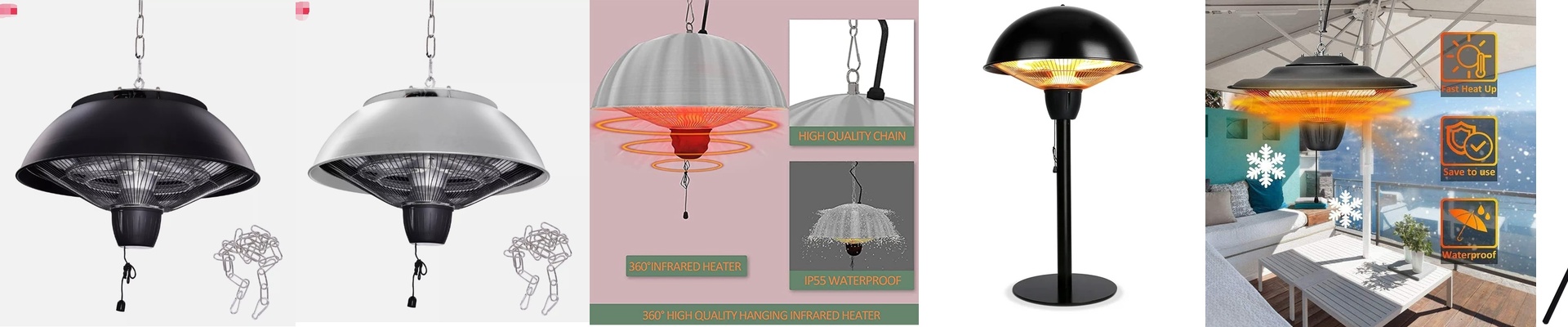
Let’s be honest: putting high-voltage heating lamps in a room full of steam and splashing water is a bit like playing with fire. Water loves to conduct electricity. If your insulation slips up for even a second, you’re looking at a short circuit or a nasty ground fault. To keep things safe, we focus on two things: a rock-solid seal and a housing that actually blocks the current.
Getting the Insulation Right
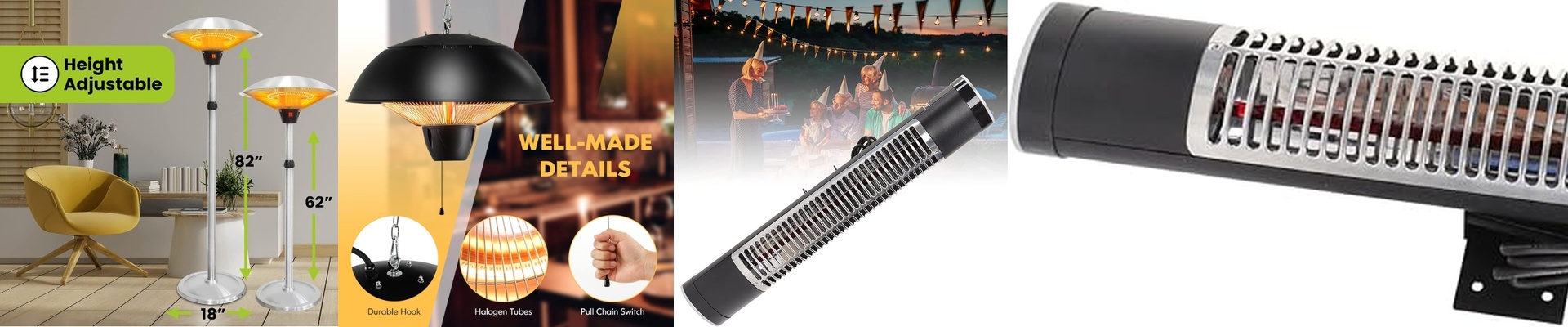
You can’t just throw a heater up and hope for the best. We use IP-rated enclosures because they act like a shield, stopping vapor from sneaking into the live terminals. Standard quartz tubes are a bit finicky—they’re fragile and tend to leak heat. To fix that, we wrap the connections in high-temperature silicone sleeves or heat-shrink tubing. It’s a simple move, but it means that even when the bathroom gets foggy and condensation builds up on the shell, the electricity stays exactly where it belongs: inside the circuit. We also stick with grounded aluminum or stainless steel for the chassis. Why? Because if a wire frays or a seal fails, we want the current to trip the GFCI breaker immediately. It’s much better to have the power cut out than to have the entire heater frame become live.
The Trade-offs
Here’s the thing about waterproof coatings. They’re great for stopping hard water minerals from gunking up your lamps, but they do mess with the light spectrum a little. You might notice a tiny dip in heating efficiency, but it’s a trade I’m happy to make for peace of mind. And don’t skimp on the wires. These lamps pull a lot of power. In a damp room, I always go with FEP (fluorinated ethylene propylene) wiring. It handles the heat without melting and doesn’t break down when you’re scrubbing the bathroom with harsh cleaners.
A Few Tips for Wiring
When you’re setting this up, use a dedicated moisture-resistant junction box. Please, don’t rely on the heater’s internal wiring as your only safety net. Use a properly rated breaker. If you’re just swapping out an old lamp for a new one, double-check that the socket seals are a perfect match. A loose fit at the connector is usually where the sparks start when the air gets humid. Tight and dry is the only way to go.