
Why Your Bathroom Heat Lamp Keeps Dying (And What Actually Works)
Ever notice how those old-school bathroom heat lamps always seem to burn out right when you need them most? It’s frustrating. You step out of a hot shower, hit the switch, and… nothing. Or worse, a flicker and a pop. Here’s the deal: most of those lamps weren’t really built for a room full of steam.
The moisture problem
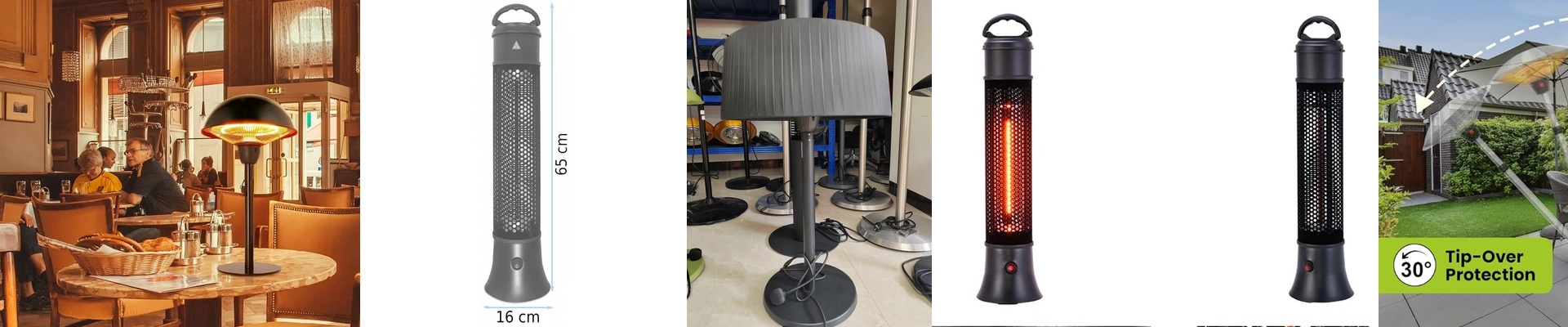
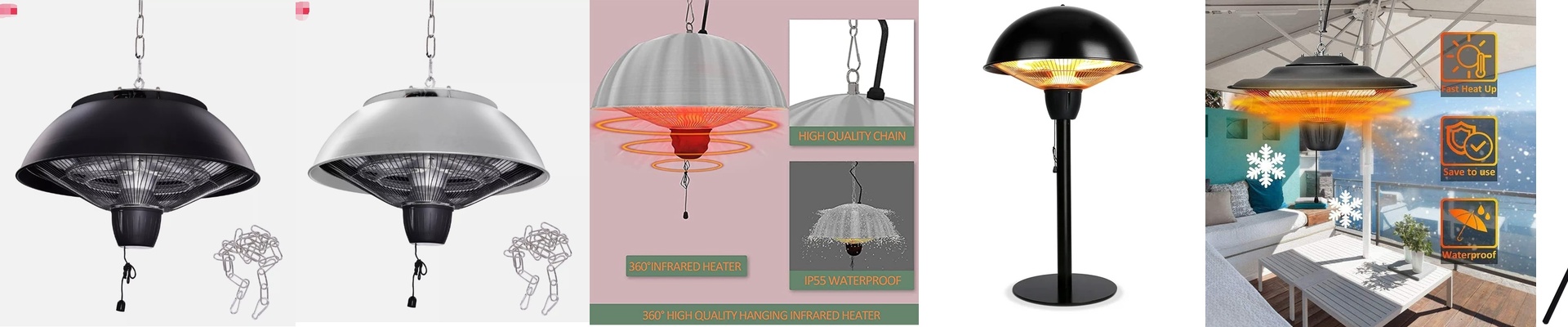
Most basic heaters use quartz tubes that aren’t sealed very well. When you take a steaming hot shower, that moisture finds its way inside the housing. It hits the electrical terminals, causes corrosion, and eventually, the whole thing shorts out. It’s basically a slow-motion disaster. That’s why we’ve moved toward high-IP rated infrared heaters. If you see “IP44” or “IP65” on a box, it just means the unit has heavy-duty gaskets and a sealed case. It keeps the water out and the electronics dry. Your heater lasts way longer because it isn’t fighting a losing battle against humidity every morning.
Instant warmth, no waiting
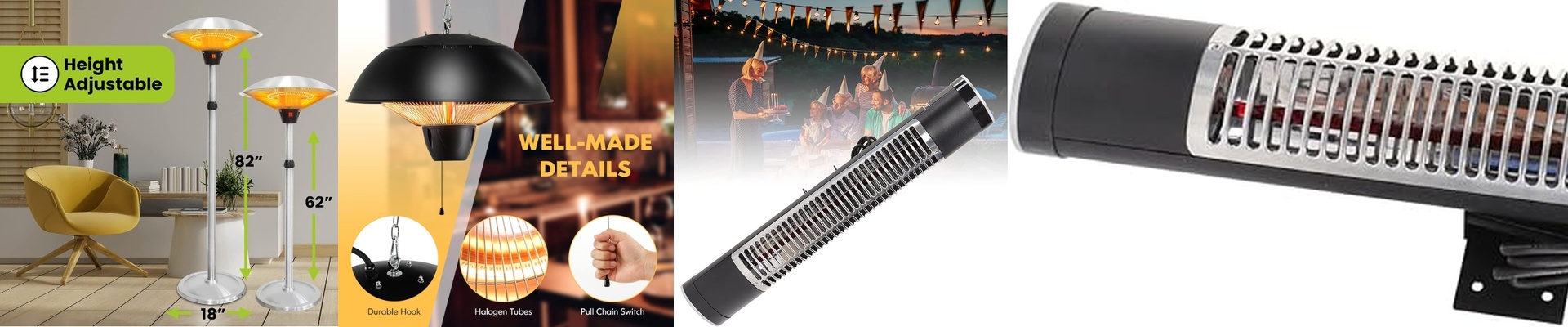
Then there’s the way the heat actually reaches you. Standard heaters try to warm up the air in the room. But air is tricky—it moves, it cools, and it takes forever to feel the difference. Shortwave infrared is different. It doesn’t bother with the air; it beams heat directly onto your skin and the floor. It’s instant. You flip the switch, and you feel it immediately. Since we mount these in the ceiling, the heat rains down on you exactly where you need it. No more shivering while you wait for the room to “warm up.”
A few things to keep in mind
Now, these aren’t just “plug and play” lightbulbs. Because they pack so much punch, you usually need a dedicated circuit. You can’t just wire them into your existing light switch if the wattage is high, or you’ll be tripping breakers. Also, placement is everything. These things are powerful. If you mount one too low, it’ll feel like you’re standing too close to a campfire. You have to get the height just right based on the wattage so you get a cozy glow rather than a “hot spot” that feels aggressive. Sure, the waterproof casing makes the unit a bit bulkier than a slim lamp. But honestly? I’d rather have a slightly larger fixture than have to climb a ladder to replace a burnt-out bulb every six months.