

Making Infrared Heat Actually Smart
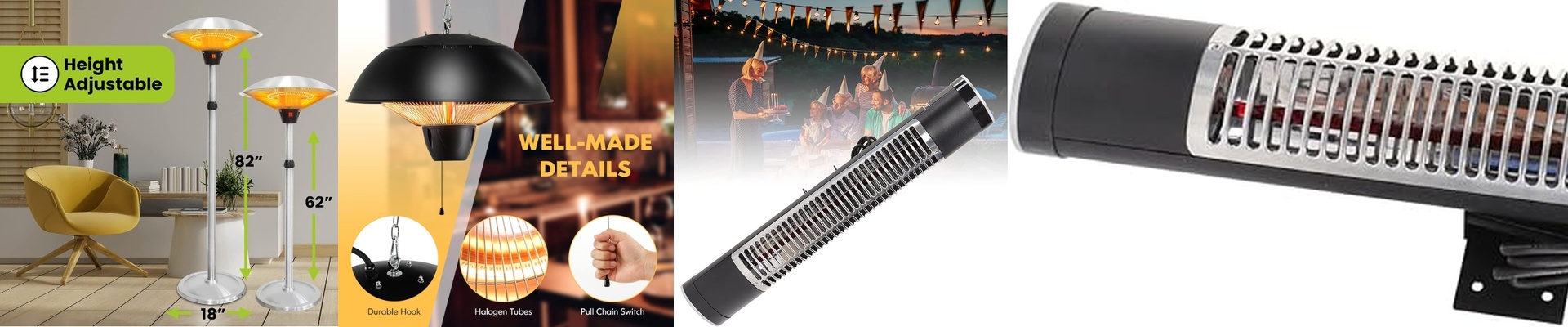
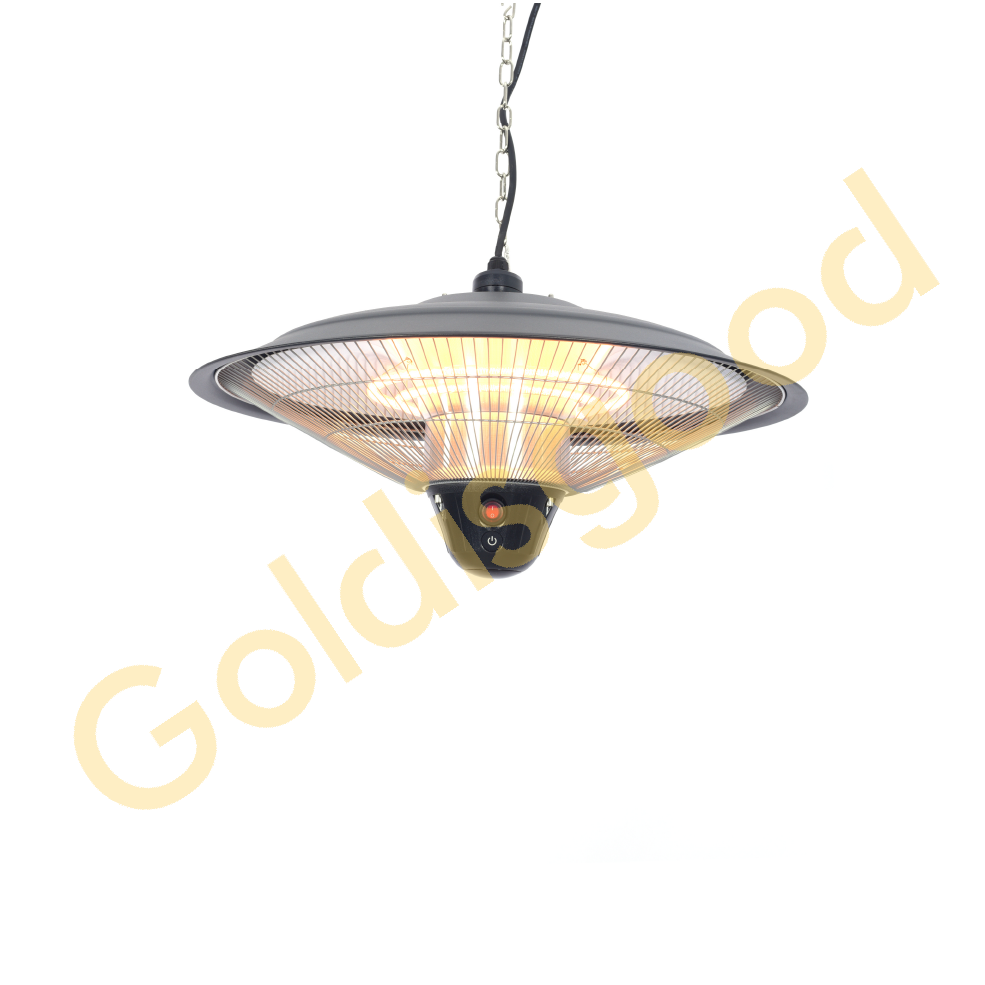
Most heaters are a bit slow. They spend all their time warming up the air, and you’re just sitting there shivering until the room finally catches up. Infrared is different. It skips the air entirely. It sends heat straight to your skin and your furniture. It’s that feeling of stepping into sunlight on a cold day—you feel it the second you flip the switch.
Getting it to play nice with your home
If you want that “instant spring” feeling in the middle of January, you’ve got to hook the heaters up to a smart hub. Whether you’re using Zigbee, Matter, or just standard Wi-Fi, the goal is to stop treating the heater like a dumb appliance. We don’t just use a simple switch here. We use heavy-duty smart relays or dedicated controllers to handle the power. Imagine walking through your front door and having a “Welcome Home” scene kick in. The hub pings the relay, the circuit closes, and you’re warm before you’ve even taken off your coat.
Why it’s so fast
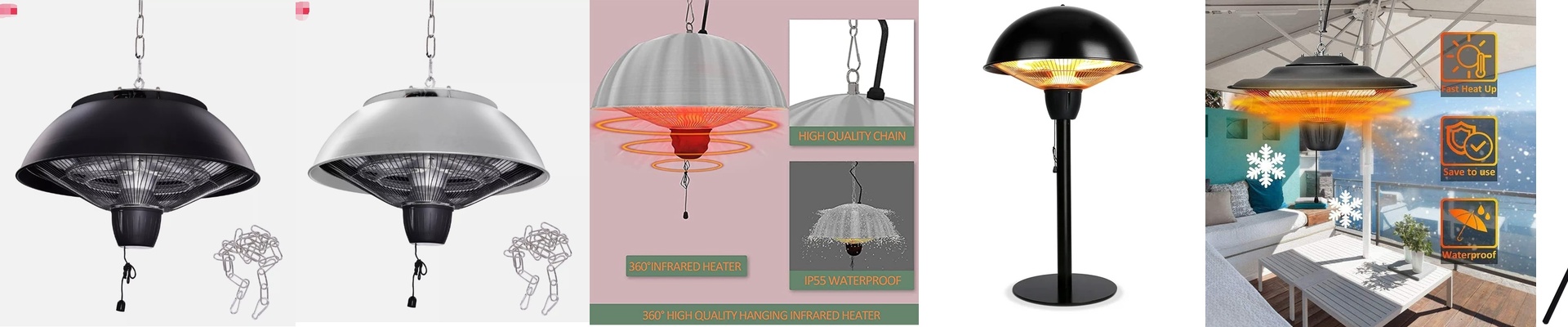
It all comes down to what the heater is made of. A big old water radiator takes an hour to get going because it has to heat up all that metal and liquid first. But a carbon fiber or quartz element? Those hit top temperature in seconds. And here is a pro tip: pair them with occupancy sensors. There’s no point in heating an empty patio. With a sensor, the heater only fires up when it actually sees a human in the beam. It saves a ton of electricity without you having to think about it.
The “Don’t Do This” Part
Here is the catch. Please, for the love of everything, do not just plug a high-wattage IR array into a cheap smart plug you bought online. Most of those little plugs are rated for 10A or 15A. If you try to run a couple of 2000W lamps through one, you’re going to melt it. You need industrial-grade contactors and a panel that can handle the surge. And check your wiring. If the wires are too thin, you’ll get voltage drops, and your “toasty” heater will end up feeling lukewarm. Match your wire gauge to the load, and you’re golden.