
Why we’re ditching hot air for Infrared
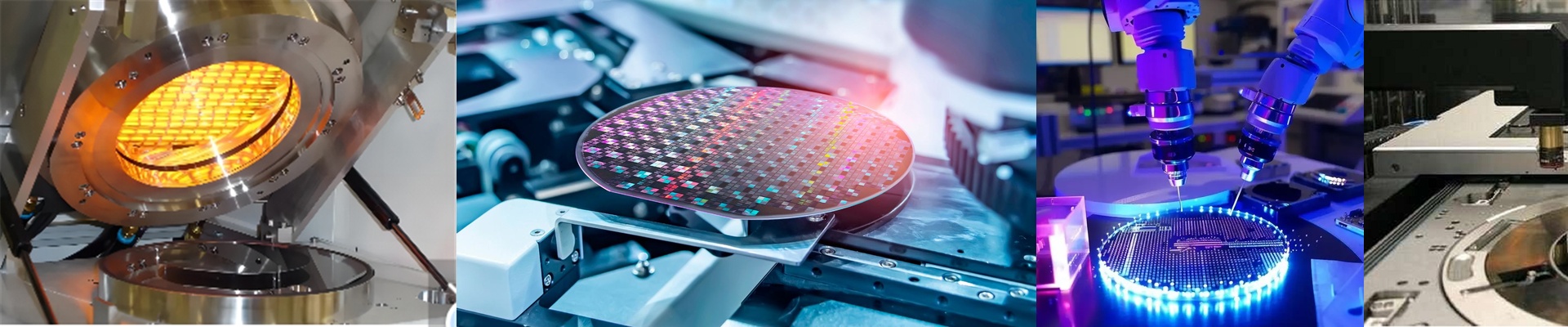
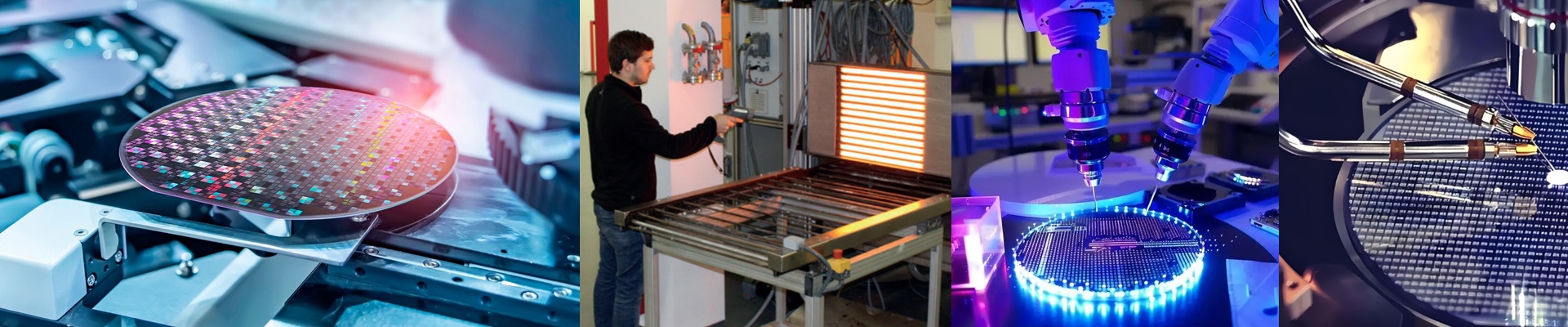
If you’re still using hot air circulation for semiconductor processing, you’re basically playing a waiting game. Think about it. Hot air relies on convection. You heat the air, and then you hope that air heats your part. It’s slow. There’s this annoying lag where you’re just standing there, waiting for the heat to travel. Infrared (IR) is different. It cuts out the middleman. Instead of warming up the room, it sends electromagnetic waves straight into the material. It’s direct. It’s immediate. The clock is always ticking In a cleanroom, time is everything. Every second you spend waiting for a chamber to stabilize is money leaking out of your budget. With hot air, the warm-up is a slog. But with IR? You hit your target temperature in seconds. You don’t have to wait for the air to “catch up” before you start. This means your cycles move faster, and your machines can actually be smaller because you aren’t needing massive reservoirs of hot air. The nitty-gritty of the build We don’t just throw some lamps in a box. We build the housings out of high-grade stainless steel, but the magic is in the geometry. We spec the metal to bounce those IR waves right back onto the workpiece. It keeps the heat where it belongs—on the part—rather than letting it bleed into the chassis. But here’s the tricky part: physics. Stainless steel and quartz lamps don’t expand at the same rate when they get hot. If you bolt them down too tight, the lamps will literally snap during a rapid heat cycle. It’s a nightmare. To stop that from happening, we build in “float” within the mounting brackets. It gives the materials room to breathe so nothing breaks. The catch Now, IR isn’t a magic wand. It has its quirks. The biggest one is “line-of-sight.” Since it’s radiant heat, if a part of your component is hidden or shadowed, it isn’t getting any energy. It stays cold while the rest of the part is sizzling. To fix that, you can’t just slap a lamp in and call it a day. You have to be intentional about the angles. We usually use a multi-angle array to make sure the heat hits every nook and cranny of the wafer. It takes a bit more planning, but the speed you get in return is worth it.