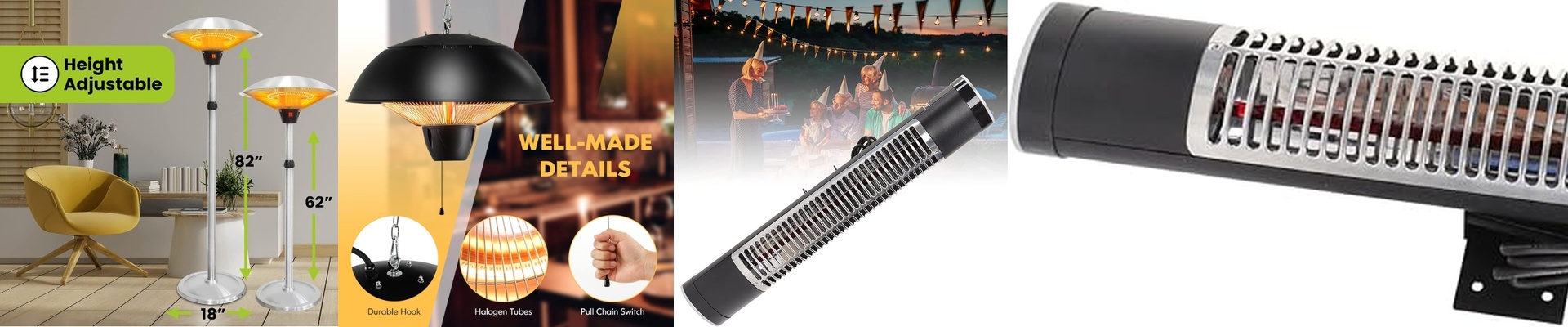




Keeping Your Bathroom Infrared Heater from Becoming a Hazard
Let’s be real: bathrooms are a nightmare for electronics. Between the thick steam from a hot shower and the occasional accidental splash, you’re basically inviting a short circuit into your home. If you’re putting an infrared heater in a wet zone, a basic plastic box isn’t going to cut it. You need something that can actually handle the humidity without giving you a shock.
Why IP55 Actually Matters
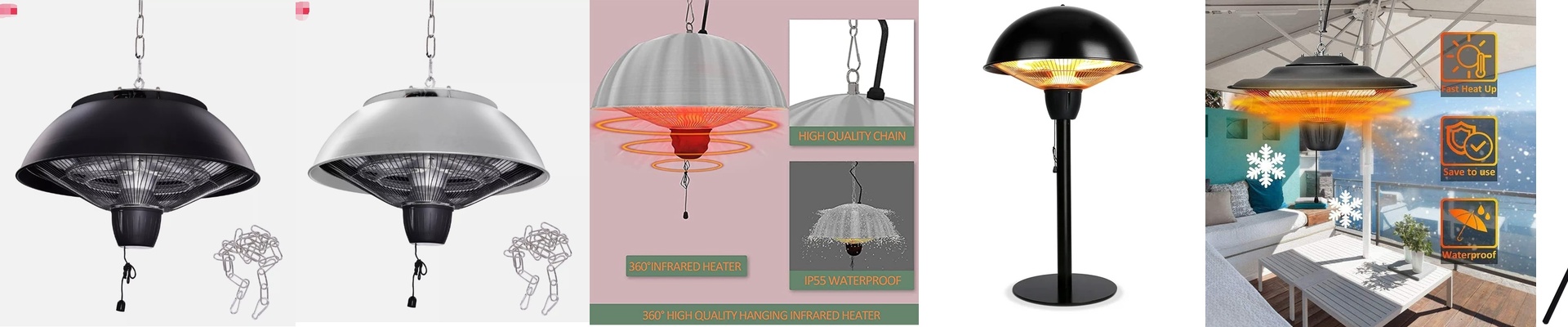
You’ll see “IP55” on the spec sheet. In plain English? It means the unit can handle dust and low-pressure water jets hitting it from any angle. We make this happen by using high-temperature gaskets to seal the chassis tight. It keeps the moisture from sneaking into the wiring. Without those seals, water hits the terminals, you get a ground fault, and suddenly your morning shower is a very bad experience. We also use sealed cable entries and make sure the whole housing is grounded. Just to be safe.
The Secret to Real Insulation
Stopping “leakage current” (that creepy tingle you sometimes feel from a faulty appliance) comes down to the materials. We use ceramic insulators for the heating elements. They act like a wall, keeping the heat separate from the metal frame. Plus, we use double-insulated cabling. It’s an extra layer of protection that gives you some peace of mind. But here is the most important part:You have to use an RCD or GFCI. Think of the IP55 rating as your first line of defense—the physical wall. The RCD is your safety net. If a seal fails, the RCD trips the power in a fraction of a second. Without it, that IP55 rating is just a suggestion.
The Trade-off
Nothing is perfect. Because we’ve sealed the unit up tight to keep water out, the air can’t move as freely. Heat builds up inside the chassis. Because of that, these units won’t last quite as long as a giant industrial heater sitting in a breezy warehouse. It’s a fair trade for not getting electrocuted in your bathrobe. One last tip: check your gaskets every year. Rubber dries out and cracks over time. Once those seals go, your protection vanishes. A quick five-minute check once a year keeps everything safe.