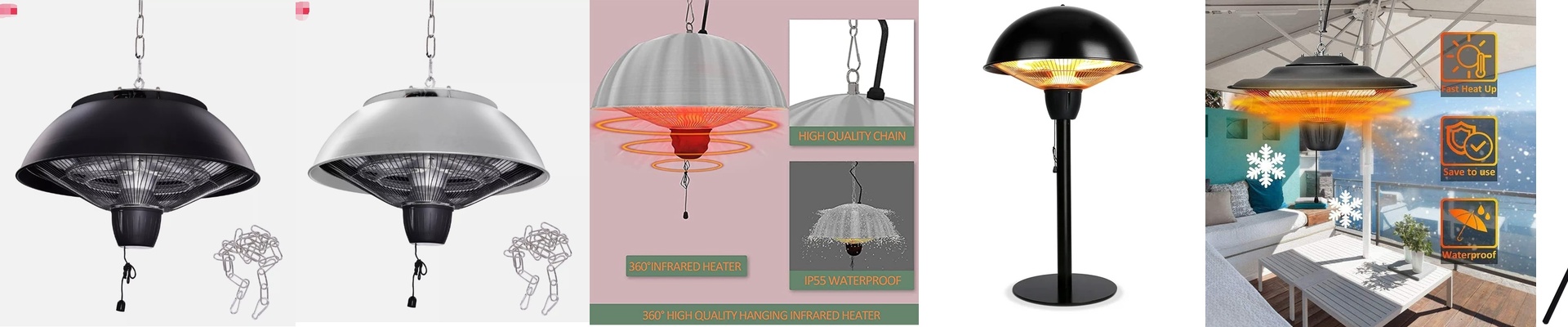


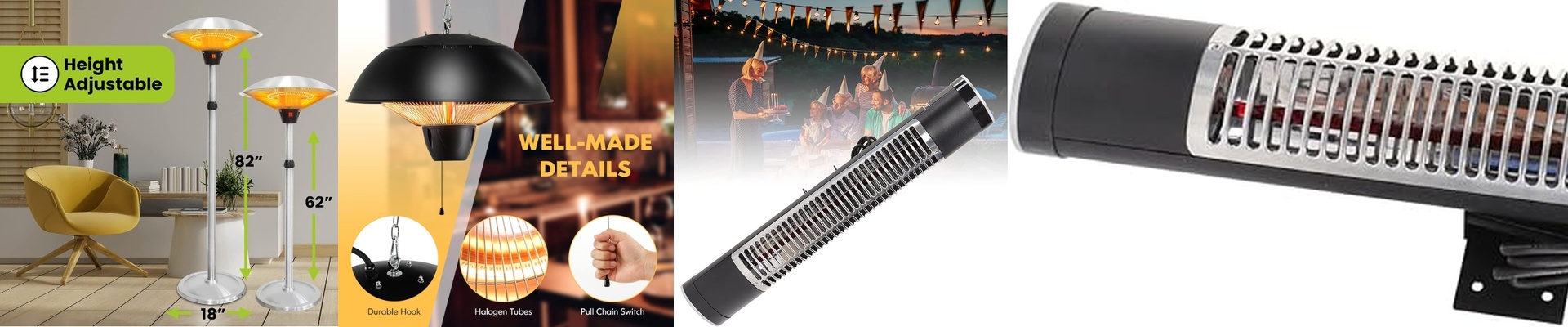

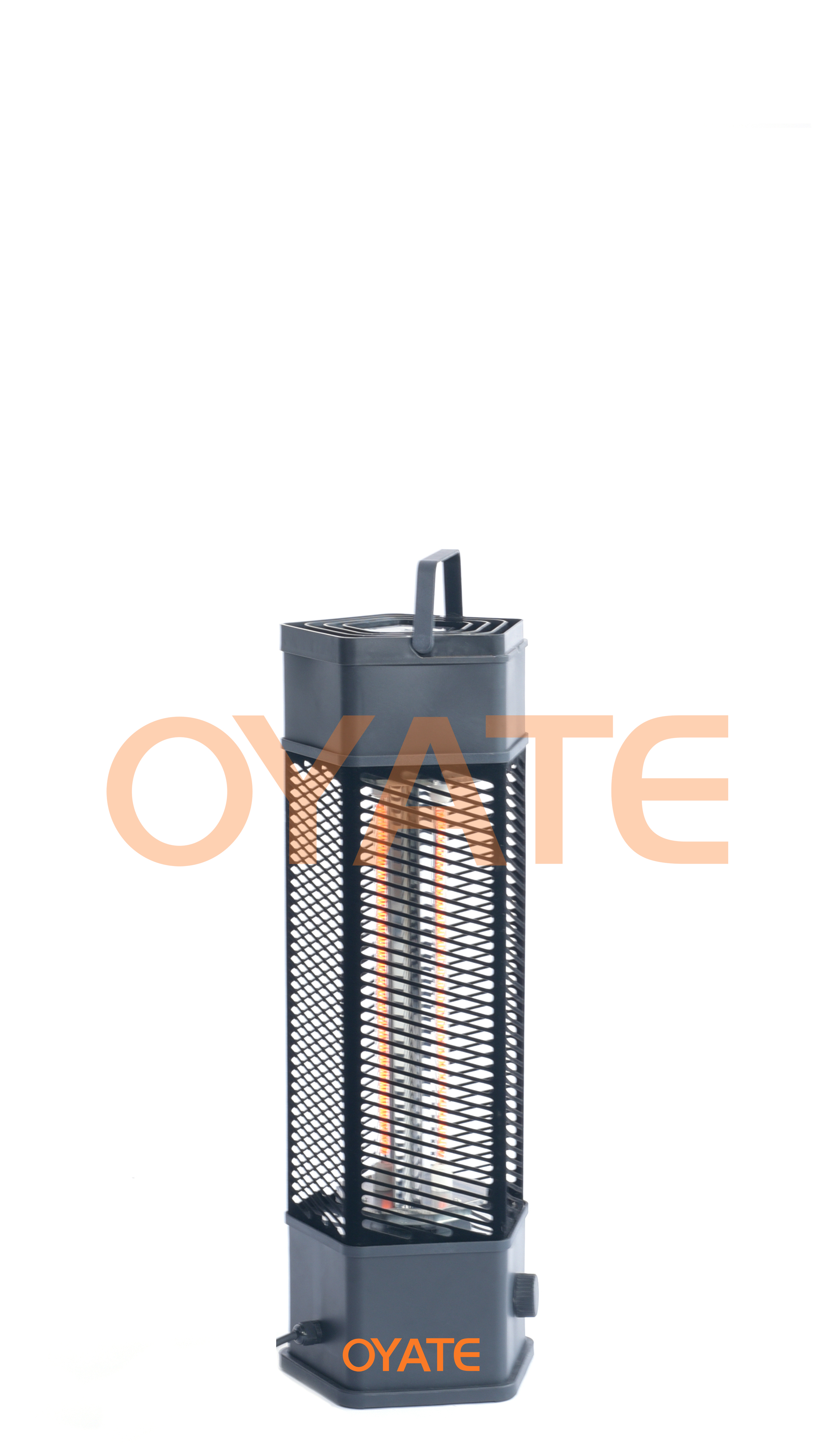
Picking the Right Infrared Wattage for Your Bathroom
When you’re shopping for an infrared heater, it’s tempting to just grab the one with the biggest number on the box. But here’s the thing: more power isn’t always better. It’s really about how much space you’re trying to warm and what your walls are made of. These units are IP55-rated, so they can handle the steam and the occasional splash without breaking a sweat. But if you get the wattage wrong, you’re either going to be shivering or wasting a ton of electricity.
Let’s talk power
Infrared is different. It doesn’t just heat up the air in the room; it warms you and the things around you. If you’ve got a tiny powder room (under 5m²), a 400W to 600W unit is usually plenty. You’ll feel that warmth hit you almost instantly. If you put a massive 1200W unit in a closet-sized bathroom, the room will get too hot too fast. The thermostat will keep clicking on and off every few seconds, which eventually burns out the internal parts. For those medium-sized bathrooms (5-10m²), stick with 800W to 1200W. If you’re dealing with a huge master bath (10m² or more), you have two choices. You can go with one heavy-hitter unit, or—my personal preference—scatter a few smaller lamps across the ceiling. That way, you don’t end up with one scorching hot spot and a freezing cold corner.
A quick warning on placement
That IP55 rating is great because it means you can mount the heater closer to the shower. But keep in mind that higher wattage means the lamp surface gets incredibly hot. If you mount a high-powered unit too close to a plastic ceiling or some PVC trim, you might actually warp the materials. Just give it some breathing room.
The electrical reality check
High-wattage lamps are fast. They get you warm quickly. But they also pull a lot of juice from your electrical panel. A lot of older homes have bathroom circuits that only handle 15A or 20A. Imagine this: you’ve got two 1500W heaters running, and then you plug in your hairdryer.**Pop.**You just tripped the breaker. Before you commit to the highest wattage, just double-check what your wiring can actually handle. It’s much better to find that out now than while you’re standing in a cold bathroom in your towel.