


Keeping Your Infrared Heaters Safe in Wet Spots
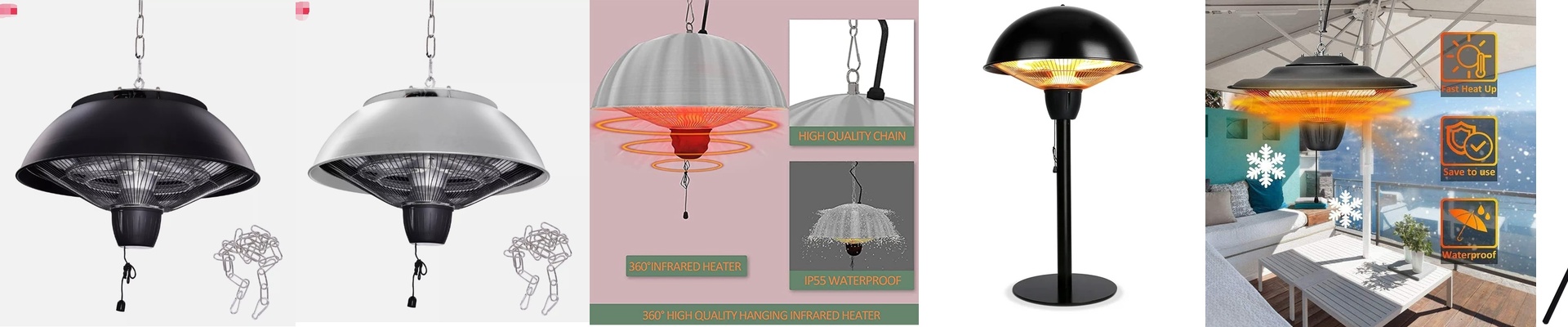
If you’re putting infrared heaters in a steamy bathroom or a crowded, humid nightclub, you’ve got a problem: water and electricity don’t mix. Between the floating vapor and the occasional splash, the risk of a short circuit is real. You can’t just throw a basic lamp up there and hope for the best. You need a setup that actually keeps the moisture out. Why humidity is a nightmare for electronics Here’s the thing about water—it loves to move electricity. In a bathroom, steam sneaks into standard housings and settles right on the electrical terminals. Once that happens, you’ve got a bridge between the live wire and the chassis. That’s how you get a ground fault. To stop this, we use quartz envelopes that are hermetically sealed and housings with an IP65 rating. Basically, it creates a wall that keeps the moisture away from the filament and the connections. The gear that actually works We don’t mess around with cheap parts here. We use high-temperature silicone gaskets and reinforced cable glands to lock out the humidity. And the wiring? Standard PVC just isn’t enough. It cracks and degrades when it’s constantly heating up and cooling down. Instead, we use silicone-insulated leads. They stay flexible and tough, no matter how many times you flip the switch. Most units fail at the connection point. To fix that, we use potted terminals or sealed connectors so moisture can’t “wick” its way into the wires. Also, if you’re running these through a ceiling grid, make sure your junction boxes are vapor-proof. It’s a small detail that saves a lot of headaches. The trade-off you need to know about There is a catch. When you seal a unit completely to keep water out, you’re also trapping heat inside. A waterproof heater runs hotter internally than one that can breathe. Because of that, your housing needs a decent amount of surface area or a solid heat sink. Otherwise, you’re just baking your own electronics until they burn out. One last thing:do not skip the GFCI protection. Even if the lamp itself is perfectly insulated, the rest of your circuit needs to be able to trip the second a leak happens. It’s the only way to make sure everyone stays safe when things get wet.