
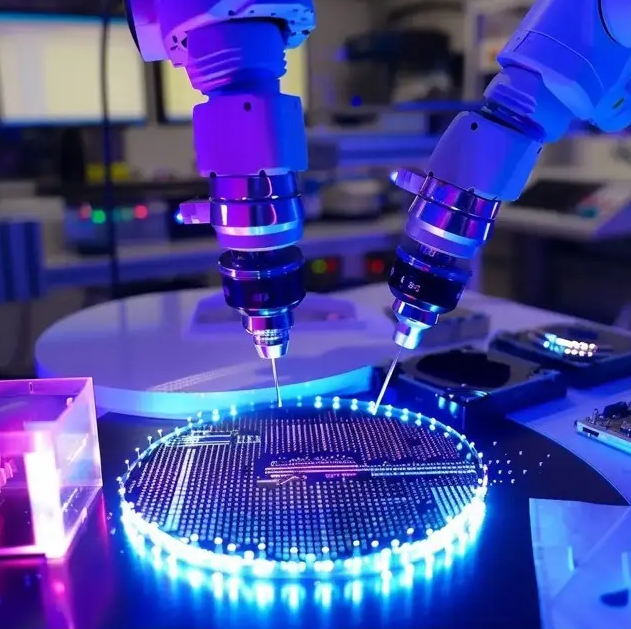
Stop Wasting Your Wattage: The Truth About Gold-Coated IR Lamps
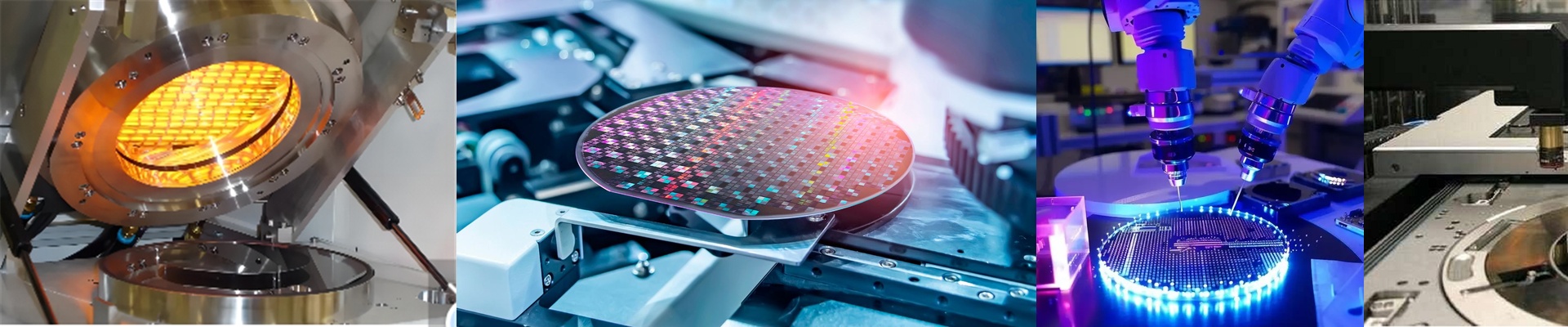
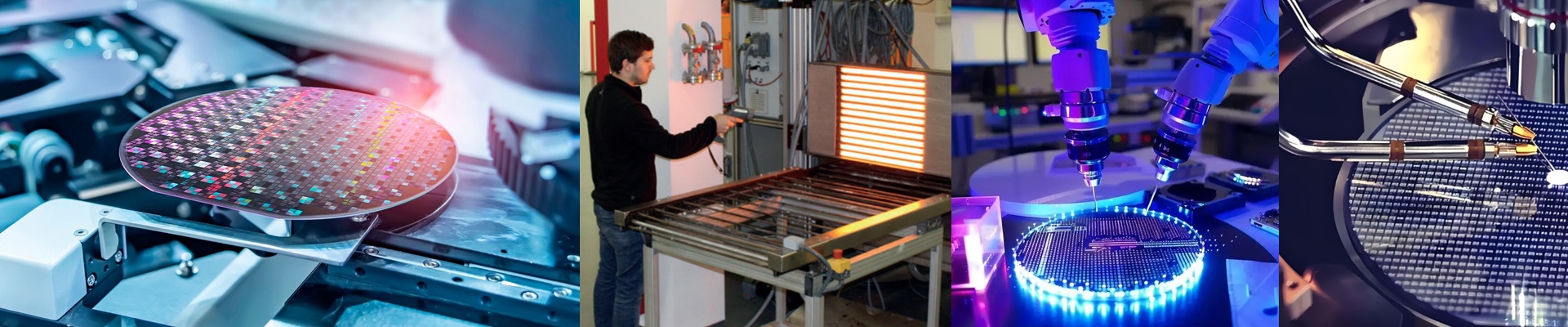
If you’re processing semiconductor wafers and you’re losing wattage, you’ve got a design problem. Period. When you’re working with ozone-free infrared lamps, the goal isn’t just to “make things hot.” You want that energy hitting the wafer surface exactly where it belongs, without messing up the environment around it. Why bother with gold? Most people start with aluminum reflectors, but here’s the thing: aluminum absorbs too much. It’s like trying to bounce a ball off a sponge. We use gold because it’s a beast at reflecting infrared light. Instead of your machine frame soaking up all that heat and getting dangerously hot, the gold layer kicks those photons right back toward the target. You end up with a tighter focus and way more energy packed into every square millimeter. It’s just more efficient. Dealing with the heat Since these lamps are ozone-free, they cut out that 185nm wavelength. That’s great because you don’t have to worry about O3 building up in your chamber. Your environment stays stable, which makes life easier. But there’s a catch. When you cram that much energy into such a small space, the heat load becomes massive. If you’re running a high-wattage array, you can’t skimp on your cooling manifolds. If your airflow is even a little bit off, you’ll start seeing thermal drift. That leads to uneven curing, and suddenly your wafers aren’t baking consistently. The trade-offs you need to know Gold is amazing for redirection, but it’s soft. Really soft. If you treat these reflectors like aluminum and scrub them down, you’re going to ruin them. Stick to non-contact cleaning. One bad scratch and your focal point is gone, leaving you with a cold spot on your wafer that’ll drive you crazy. One last tip: wire these into a precision PID controller. Because the gold makes the heat flux so much more effective, your wafers will hit their target temperatures way faster than you’re used to. You’ll need to tweak your ramp-up curves. If you don’t, you risk thermal shock, and nobody wants that.