Keeping Your Wafers Safe: The Truth About Tube Bursts
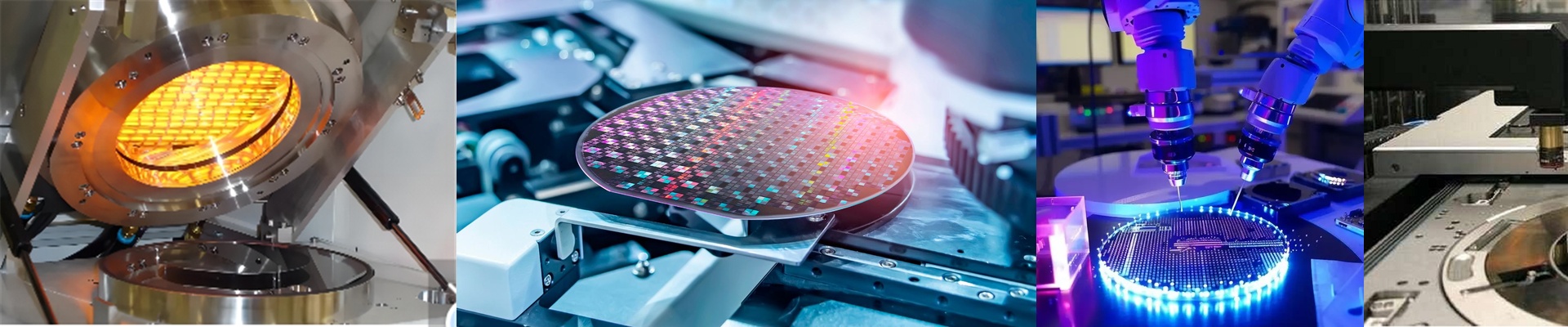
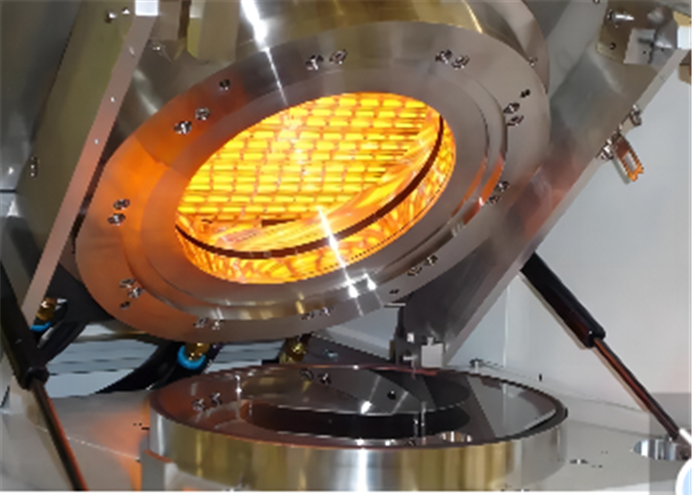
In a high-volume fab, a lamp failure is a nightmare. It’s not just about the downtime. If a quartz tube pops over a wafer, you’re looking at a shower of particles that ruins the entire batch. Just like that, your yield vanishes. That’s why we build our gold-coated infrared lamps to take the heat without cracking under pressure. Why the gold coating actually matters We put a gold-reflective coating on the back of the quartz envelope. It’s not about looking fancy. It’s about physics. The gold pushes the infrared radiation forward, aiming all that heat right at the wafer. Because the energy is being directed, the back of the tube doesn’t get nearly as hot. You get a massive hit of heat density where you need it, but the quartz itself stays well away from its melting point. It keeps the glass from warping or snapping when you’re cycling temperatures rapidly. Stopping the “shrapnel” effect To keep debris away from your silicon, we start with the materials. We use high-purity synthetic quartz because it handles thermal shock like a pro. We also fuse the electrodes with a precision seal. This stops gas leaks—the kind of leaks that cause internal pressure to spike and lead to those catastrophic bursts. But let’s be real: no lamp is indestructible. That’s why we always suggest using a physical guard or a protective shield. If a tube does happen to go, a shield is the only thing standing between a shattered lamp and a ruined batch of wafers. The catch (and how to handle it) Here is the trade-off. These gold-coated lamps are incredible for directional heat, but they’re a bit sensitive. If you scuff the coating during installation, you’ve just created a “hot spot.” That’s a shortcut to a premature burnout. Make sure your team handles them with gloves and avoids touching the coated surface. A little bit of care during setup saves you a massive headache later.