
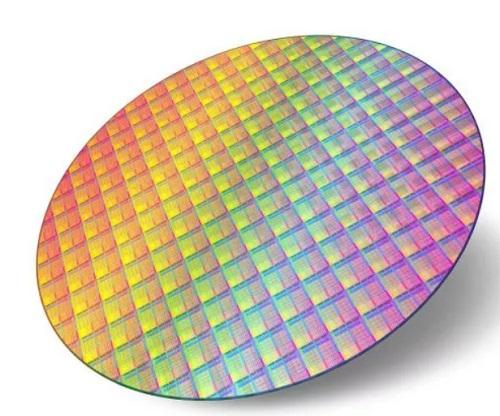
A Smarter Way to Dry MEMS Wafers (And Save Some Energy)
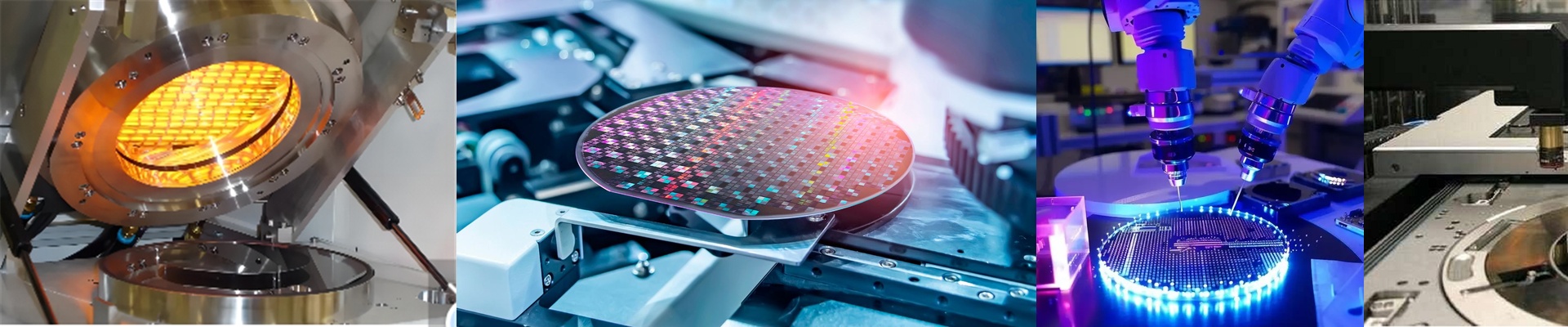
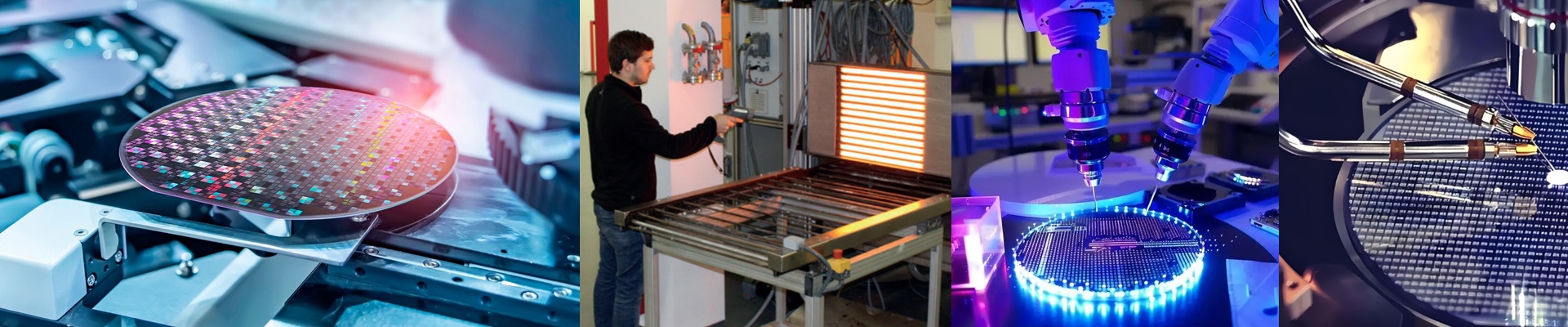
When you’re drying MEMS sensor wafers, you’re basically walking a tightrope. You have to get every bit of moisture off, but if you’re too aggressive, you’ll crush those tiny, delicate micro-structures. The old way? Convection ovens. But here’s the problem: they spend a ton of energy just heating up the air in the entire chamber. It’s wasteful. We’ve found a better way using short-wave infrared (IR) lamps. Instead of heating the air, these lamps aim straight for the wafer. It’s direct. It’s efficient. And it cuts out a lot of the wasted power. How it actually works Think of it like stepping into the sun on a cold day. You don’t wait for the air around you to warm up; you feel the heat on your skin instantly. That’s exactly what IR photons do to the wafer surface. Because the heat hits instantly, the drying cycle finishes way faster. When your machine isn’t running for hours on end just to finish a batch, your cleanroom’s electricity bill—and your carbon footprint—starts to drop. The trade-offs (Because nothing is perfect) To get that rapid evaporation, we use high-wattage quartz lamps. They’ve got the muscle to handle 200mm or 300mm wafers without breaking a sweat. But there is a catch. That high heat flux means you have to bereally carefulwith your PID controllers. If your sensors overshoot the target temperature even by a little, you’re looking at warped wafers or ruined MEMS membranes. It takes a bit of fine-tuning to get it just right. Making the “Green Factory” thing actually happen Swapping out resistive convection for IR is one of the easiest ways to actually move the needle on carbon neutrality in a fab line. You’re simply stopping the energy leak. Just a heads-up before you rip out your old gear: check your power supply. These IR arrays can pull a big surge of power when they first kick on. Also, make sure your shielding is tight. You don’t want heat bleeding into other sensitive parts of your tool.