
Why We Switched to IR Heating for Hydrogen Sensors
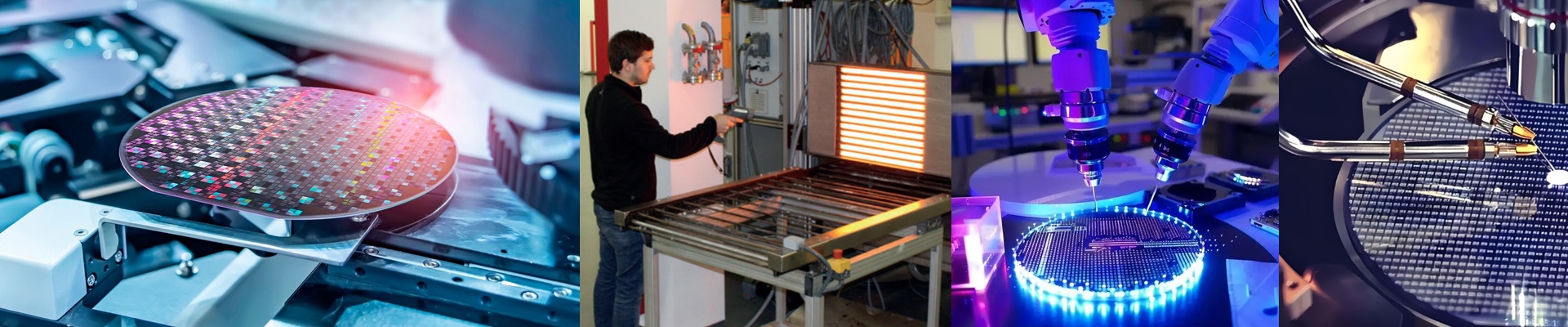
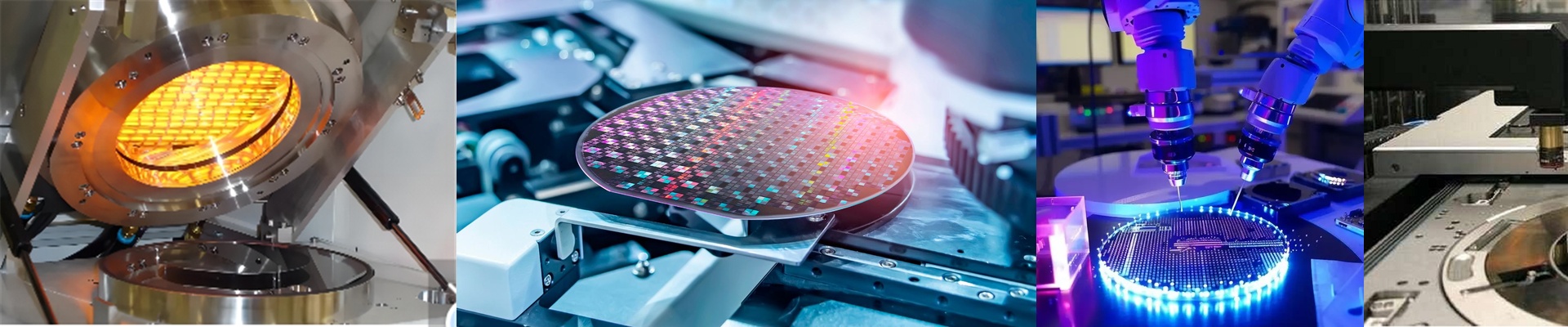
When you’re making hydrogen sensors, the heat is everything. If your thermal profile is off by even a little, the whole sensing element can lose its stability or just stop being sensitive. For a long time, everyone used those clunky resistive furnaces, but we’ve moved over to short-wave infrared (IR) systems. It’s a better way to work. Not only does it kill the wasted energy from letting a huge oven sit idle, but it also slashes the ramp-up time. It’s better for the planet, sure, but it’s mostly just a smarter way to run a fab line. The trick is in the heat density. Think about it this way: instead of heating up the air in a giant box and hoping that heat eventually reaches your part, IR lamps beam energy straight into the substrate. It’s direct. We’ve set these systems up to hit exact temperatures in a matter of seconds. That speed is a lifesaver. If you leave a sensor membrane in the heat too long, you over-bake it. Once that happens, the material degrades, and you’ve just created a very expensive piece of scrap. Getting the hardware right We use tungsten filaments inside high-purity quartz envelopes. But here’s the real secret: we often coat that quartz. Why? Because we need the energy to actually sink into the thin-film layers of the sensor rather than just bouncing off the surface like a mirror. As for the controls, it’s pretty straightforward. You just plug these into your existing PLC controllers for that closed-loop PID feedback. It just works. Real talk about the shop floor Moving to IR makes the whole facility feel different. You don’t have that massive “heat soak” that old-school ovens dump into the room, which makes the “Green Factory” goals actually feel achievable. Plus, the gear takes up way less space, and you can push more product through the line. But, a word of caution. These lamps gethot. I mean, really hot. If you’re pushing the wattage to shave a few seconds off your cycle time, don’t skimp on your cooling manifolds. If you don’t manage the heat around the lamp housing, your filaments are going to burn out way faster than they should. And do yourself a favor: keep a strict schedule for cleaning the reflectors. If they get dirty, your emissivity drops, and you’re right back to fighting with your temperature set-points.