Why we switched to IR heating for CNTs
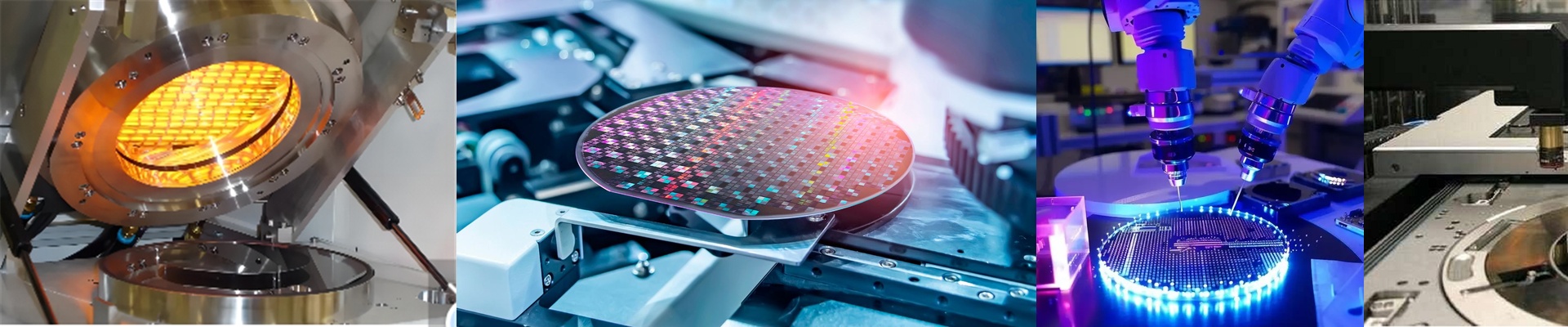
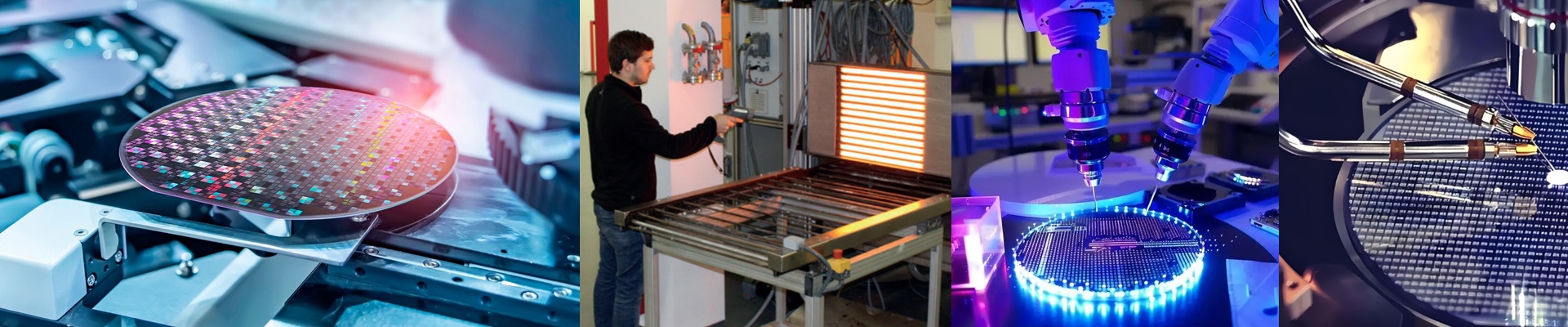
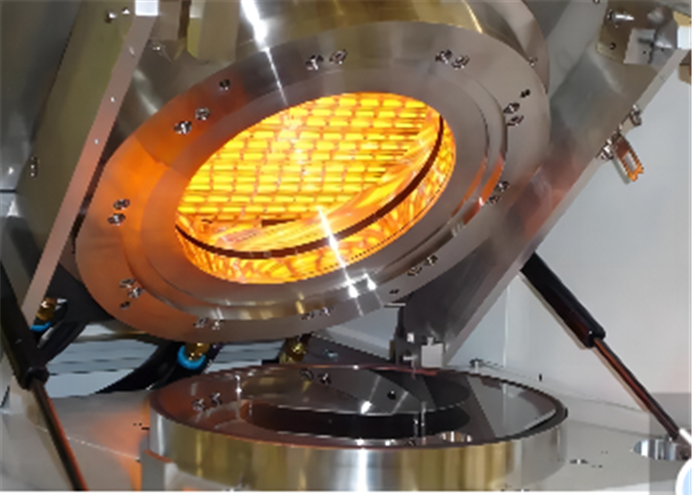
If you’ve spent any time in semiconductor processing, you know the drill with hot air circulation. You turn the machine on, you wait, and you wait some more. You’re basically heating up the entire room just to get your substrate to the right temperature. It’s slow, it’s clunky, and honestly, it’s a waste of time. That’s why we moved to infrared (IR) heating. Instead of relying on air to carry the heat, IR just beams energy straight into the target. It’s like the difference between waiting for a whole house to warm up with a furnace versus just stepping into a patch of sunlight. The waiting game is over The biggest headache with hot air is the lag. You spend minutes—sometimes hours—just trying to hit your set point. With IR, you’re there in seconds. When you’re growing carbon nanotubes, timing is everything. You have a very tight temperature window to get a high-quality grow. By cutting out the “warm-up” phase, we stopped wasting entire cycles. We stopped heating the machine’s footprint and started heating the actual workpiece. It’s a massive relief for the workflow. How we actually set it up Depending on how thick the substrate is, we use either short-wave or medium-wave IR emitters. These lamps are small, but they pack a punch. The best part? We can wire them for zoned control. If you’ve ever dealt with those annoying cold spots on a wafer that a circulating fan just can’t seem to reach, this is the fix. You just aim the heat where it needs to go. The material absorbs that energy, it starts vibrating, and the nanotubes nucleate much faster. The “gotchas” Now, it’s not all sunshine. IR heating brings its own set of problems. Those lamps get incredibly hot. If your chassis isn’t built for it, you’ll end up warping your frame or frying your sensors. We had to add a proper cooling jacket just to keep the rest of the gear from melting. And you can’t just plug it in and use your old settings. Because the heat hits so fast, the old PID logic we used for convection will cause the temperature to shoot way past the target. You need a much faster controller to keep things stable, or you’ll end up overshooting your mark every single time.