
Stop Treating Your Heaters Like Disposable Trash
Most splash-proof heaters are basically sealed boxes. Sure, that keeps the water out, but it makes maintenance a total nightmare. Imagine this: a heating element burns out after five years. To fix it, you have to rip apart the entire housing. You’re sweating, fighting with screws, and praying you don’t ruin the IPX4 seal just to swap out one single tube. It’s frustrating. And it’s a waste of time.
A Better Way to Handle Heating Elements
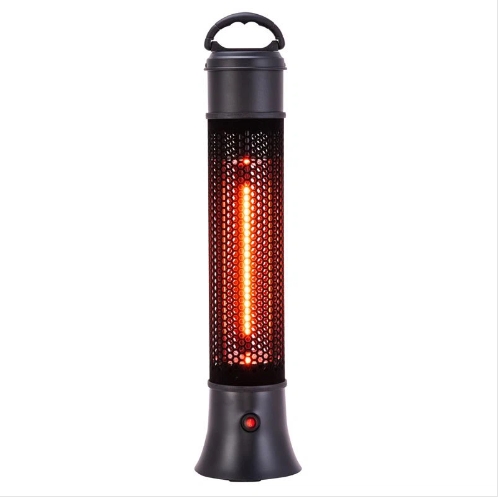
We decided to do things differently with our IPX4 modules. Instead of soldering everything into the chassis, we went with a plug-and-play setup. Think of the heating lamp and its reflector as a single cartridge. When a tube finally gives up the ghost, you don’t have to rewire the whole machine. You just pull the module out, drop in a fresh one, and lock it back into the housing.What used to be a four-hour teardown now takes about ten minutes.
Water-Proofing Without the Headache
Getting an IPX4 rating usually means everything is glued, riveted, or welded shut to keep splashes out. It’s great for the water, but terrible for the person fixing it. We use compression-fit seals and quick-release fasteners instead. You still get that industrial-grade protection for wash-down environments, but you can actually get inside the unit without power tools and a prayer.
The Honest Trade-offs
Look, nothing is perfect. A modular design means more connection points, and more connections can mean more things that might break if you use cheap parts. To stop that from happening, we use high-temperature terminals that won’t oxidize or shake loose when things get hot. Also, the heater is a tiny bit larger to make room for the modular rails. But honestly? A slightly bigger footprint is a small price to pay when you aren’t staring at a dead production line for half a day. If your line can’t afford long outages for a simple part swap, go modular. Your maintenance team will thank you.