

Why Gold-Coated Reflectors Actually Matter for Wafer Drying
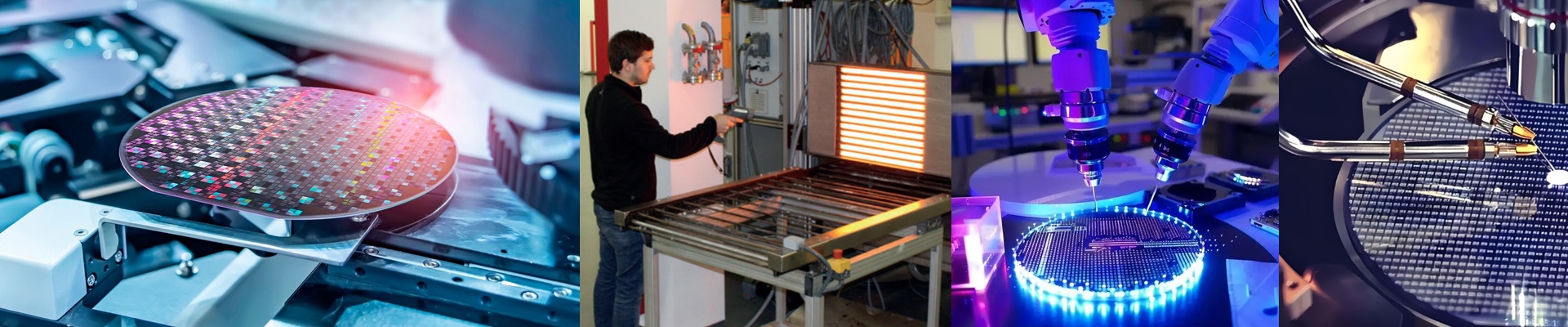
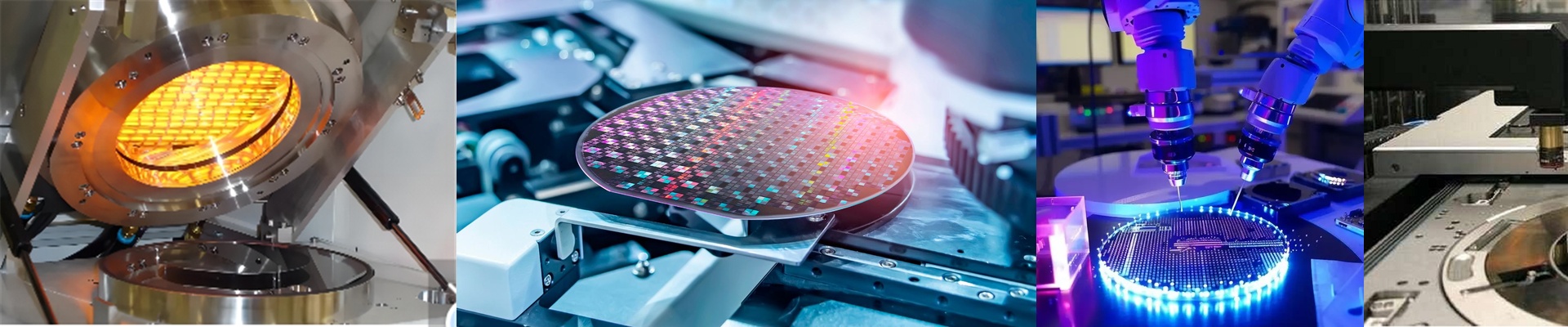
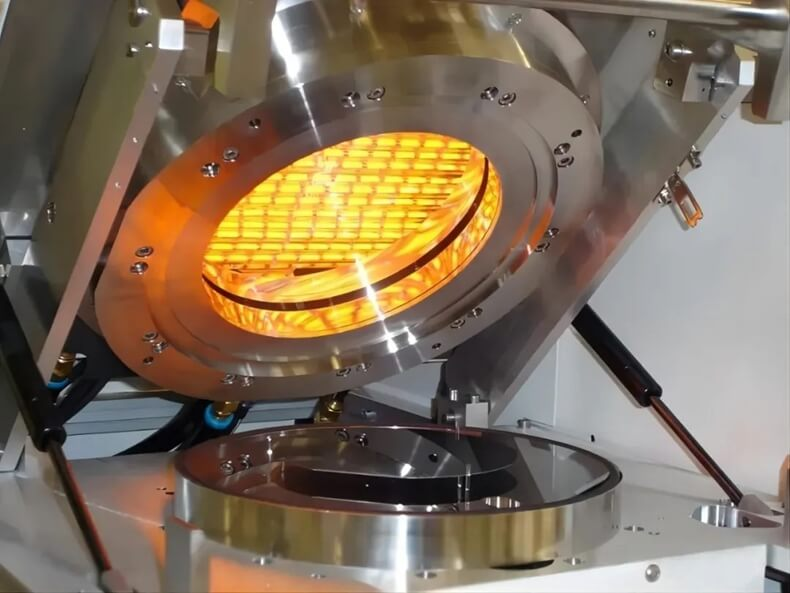
When you’re drying wafers, you aren’t just looking for “heat.” You’re looking for a precise hit of photons right on the surface. The problem with standard reflectors is that they’re leaky. Too much energy just bleeds off into the housing, which is basically like throwing money away. That’s why we use gold. The deal with gold coating Gold is a beast when it comes to reflecting infrared radiation. You’ll see a lot of people using aluminum because it’s cheaper, but aluminum tends to flake or degrade when things get hot. Gold doesn’t do that. It bounces those infrared waves straight back at the wafer with almost zero absorption. You get a tighter focus, and more of the wattage you’re paying for actually does its job. Getting the heat right To get those surface temperatures up fast, we pair these reflectors with high-output IR lamps. We push the wattage high to make sure evaporation happens quickly. But there’s a catch. When you cram that much energy into a small space, things get sweaty. If your cooling manifold can’t keep up with the heat building up around the lamp housing, the metal expands and your reflector starts to lose its edge. It’s a balancing act. Making it work in your line We built these to be drop-in replacements for your current IR arrays. It’s a simple swap. The cool part? Because the radiation is so focused, you can usually dial back the overall power draw of the dryer without slowing down your throughput. Your electricity bill thanks you, and your wafers still dry just as fast. One thing though:keep the gold clean. If gunk or oxidation builds up on the surface, the beam scatters. That’s how you get “hot spots,” and that’s how you warp a wafer. Stick to a strict cleaning schedule and you’ll be fine. At the end of the day, it’s a straightforward setup. High-wattage sources, gold focal points, and a digital controller to keep the ramp-up smooth. No software magic—just raw physics.